

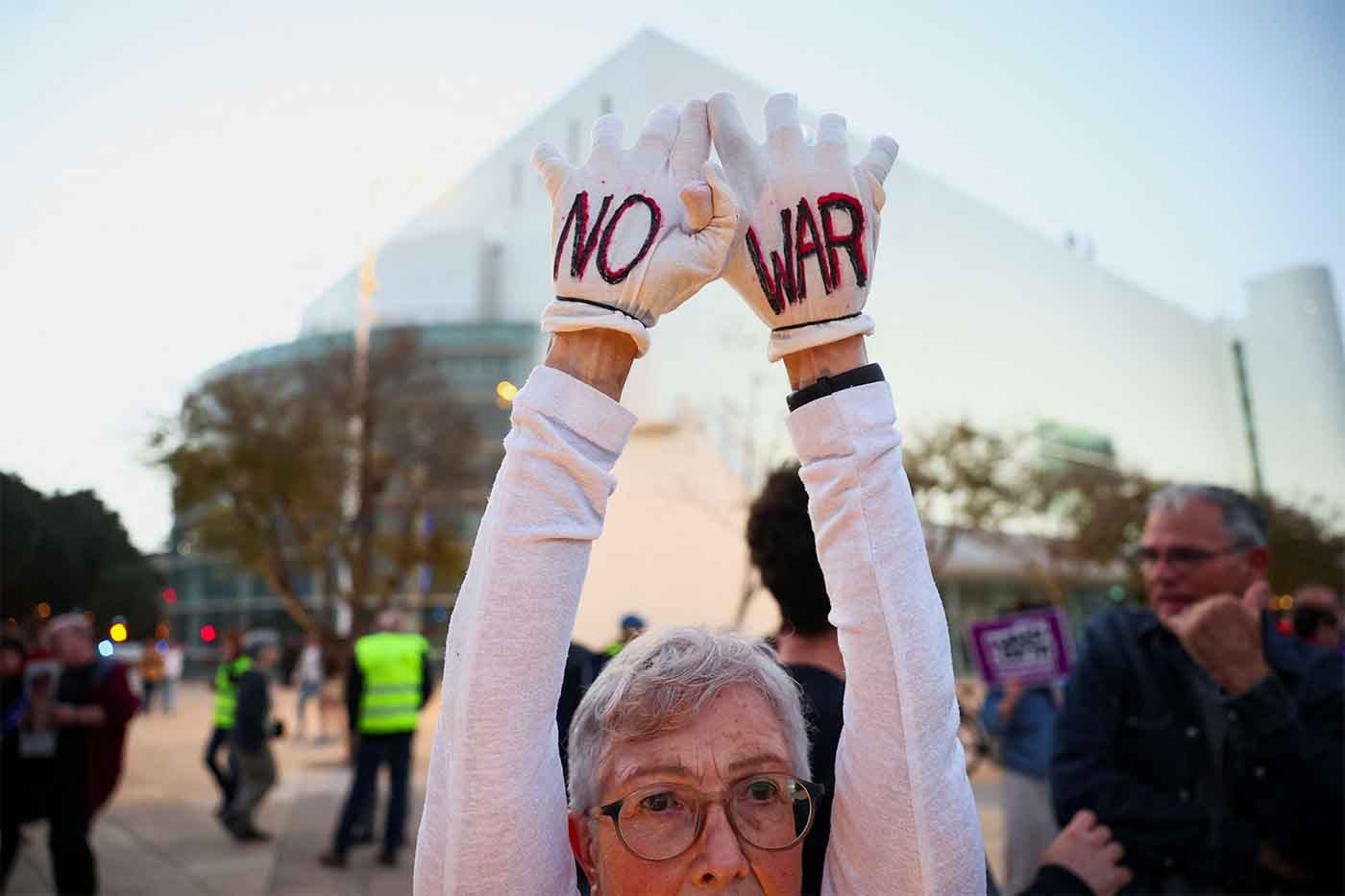
A demonstrator holds up her hands during an anti-war protest, calling for an end to the US-Israel conflict with Iran, in Tel Aviv,
Axios: US, Iran and mediators make push for 45-day ceasefire
The news outlet cites Four US, Israeli and regional sources familiar with negotiations that secret talks are underway as the conflict enters the sixth week.
Monday 06/04/2026
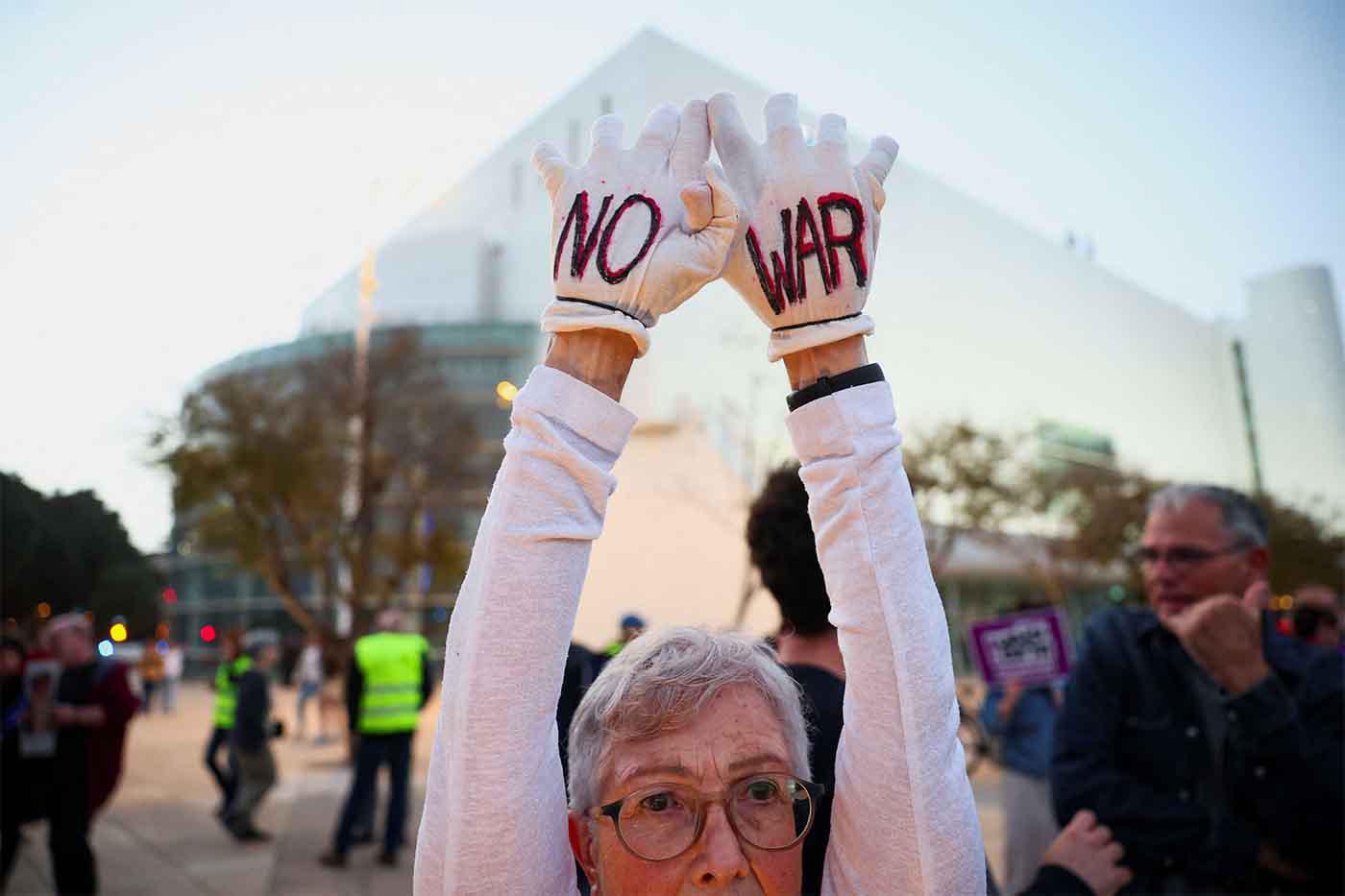
A demonstrator holds up her hands during an anti-war protest, calling for an end to the US-Israel conflict with Iran, in Tel Aviv,
WASHINGTON - The US, Iran and a group of regional mediators are discussing the terms for a potential 45-day ceasefire that could lead to a permanent end to the war, Axios reported on Sunday, citing four US, Israeli and regional sources with knowledge of the talks.
Citing four sources with direct knowledge of the talks — including officials from the US, Israel, and regional governments — the news outlet said negotiations are focused on the specific conditions required for a temporary halt in hostilities. The proposed ceasefire would aim to stop all Iranian aerial attacks on Gulf targets, allow safe passage through the Strait of Hormuz, and create a window for broader diplomatic efforts to reach a lasting agreement.
The discussions come at a critical moment. Since Iran launched its campaign of ballistic missiles, cruise missiles, and drones against the UAE and other neighbours on February 28, the conflict has spread to Kuwait, Iraq, and Abu Dhabi’s energy infrastructure, with recent strikes including a drone attack on foreign oil storage facilities west of Basra and debris from an intercepted threat that sparked a fire at ADNOC’s Habshan gas facilities.
High-Stakes Diplomacy Amid Fresh Attacks
The involvement of regional mediators — widely believed to include Oman, Qatar, and possibly Egypt — signals an attempt to bridge the gap between Washington and Tehran while keeping key Gulf stakeholders at the table. Sources told Axios that the 45-day period would allow both sides to verify compliance, exchange prisoners if needed, and begin indirect talks on longer-term security guarantees.
President Donald Trump, who on Friday expressed confidence that the US could reopen the Strait of Hormuz “with a little more time,” has not yet commented publicly on the reported ceasefire discussions. However, the timing aligns with his earlier calls for Gulf nations to assume greater responsibility for their own security while US forces continue to degrade Iran’s military capabilities.
Gulf leaders, including UAE President Sheikh Mohamed bin Zayed and Saudi Crown Prince Mohammed bin Salman, have been in frequent contact with Trump and other world leaders in recent days, emphasising the urgent need to protect civilian infrastructure, maritime trade, and global energy supplies.
Potential Impact on the Region
A successful 45-day ceasefire would immediately ease pressure on critical energy assets across the Gulf. In the past week alone, attacks have damaged or threatened power and desalination plants in Kuwait, gas facilities in Abu Dhabi, and oil storage sites in southern Iraq. Analysts say even a temporary pause could stabilise oil prices and prevent further escalation that might close the Strait of Hormuz — the chokepoint carrying roughly one-fifth of the world’s oil.
If the truce holds and evolves into a permanent settlement, it could mark a major turning point after more than five weeks of intense fighting that has killed civilians and military personnel across multiple countries and injured hundreds.
The Axios report did not provide details on the specific concessions being discussed or the exact role of Israeli officials in the talks. However, the inclusion of Israeli sources suggests coordination with Washington’s closest regional ally remains a factor.
No official confirmation has yet been issued by the White House, Tehran, or any of the Gulf governments involved. Diplomatic sources in the region described the negotiations as “sensitive and preliminary” but expressed cautious optimism that the mounting economic and humanitarian costs of the war may have created a rare opening for de-escalation.