

A pragmatic alignment of interests
Libya looks east as Oman diversifies partnerships
For Libya, the outreach to Muscat is part of a wider effort to break out of economic stagnation caused by years of political fragmentation and underinvestment.
Wednesday 08/04/2026
A pragmatic alignment of interests
MUSCAT – The latest push to strengthen economic ties between Libya and Oman highlights a broader recalibration of regional partnerships, as both countries seek to position themselves more strategically in a shifting economic and geopolitical landscape.
For Libya, the outreach to Muscat is part of a wider effort to break out of economic stagnation caused by years of political fragmentation and underinvestment. While the country remains rich in hydrocarbons as a member of OPEC, its development trajectory has been constrained by instability, leaving large parts of its economy underutilised.
Engaging Oman offers Libya a gateway to a more stable investment environment and a partner experienced in economic diversification,an area where Muscat has made steady progress in recent years.
For Oman, the relationship aligns with its long-term strategy of expanding economic ties beyond traditional partners, strengthening intra-Arab cooperation, and attracting foreign capital to support industrial growth and diversification away from oil dependence.
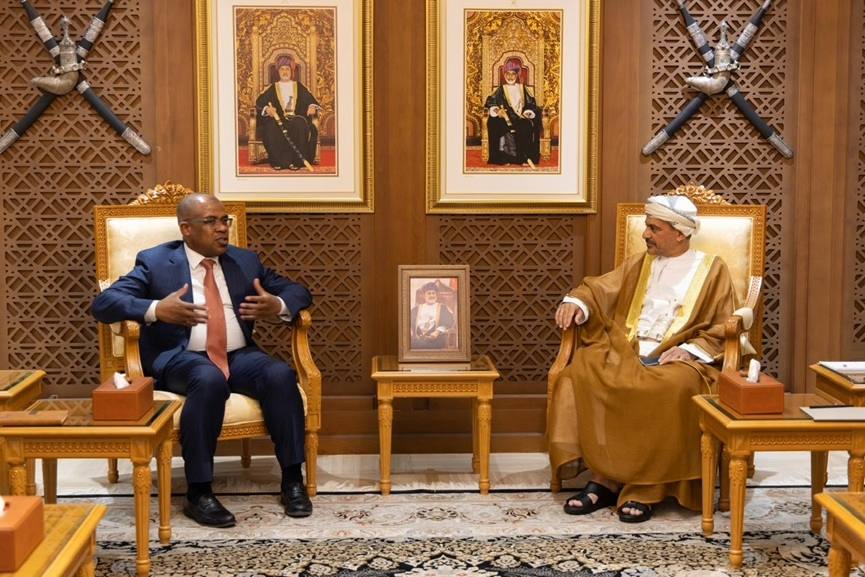
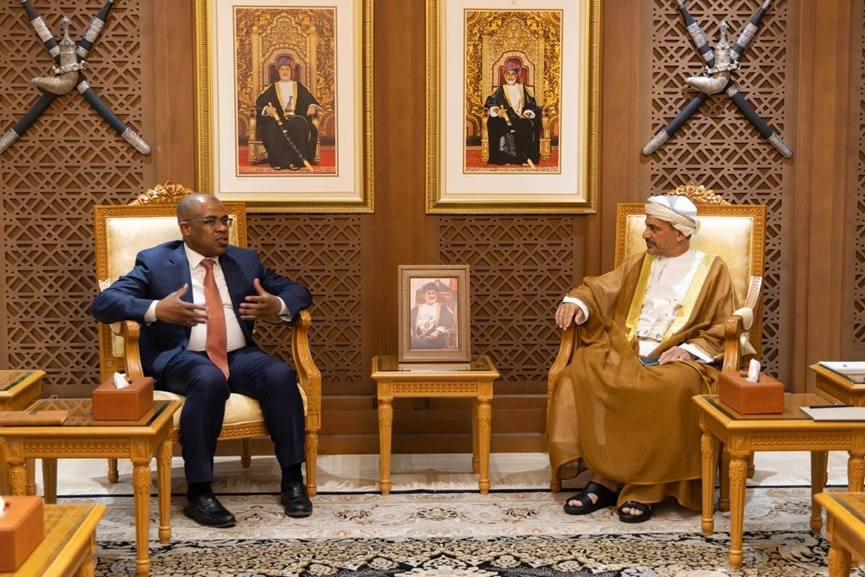
The meeting in Muscat on Tuesday between Oman’s Minister of Commerce, Industry and Investment Promotion Anwar bin Hilal Al Jabri and Libya’s acting Oil and Gas Minister Khalifa Rajab and Economy and Trade Minister Suhail Bou Sheikha reflects a pragmatic alignment of interests.
Energy remains at the core of the partnership, but the agenda has broadened to include manufacturing, logistics, and supply chain integration,sectors seen as essential to building more resilient and interconnected economies.
A key feature of the discussions was the emphasis on creating joint industrial projects and integrating supply chains. This signals a shift from simple trade exchanges towards deeper economic cooperation that could generate added value, transfer expertise, and enhance productivity in both markets.
The focus on renewable energy and related industries is particularly significant. As global energy markets evolve, both Libya and Oman are seeking to future-proof their economies by investing in emerging sectors that can complement traditional oil and gas revenues.
However, the gap between ambition and reality remains evident. Trade volumes between the two countries are still relatively low, and heavily skewed in Oman’s favour, reflecting structural imbalances and logistical challenges.
Investment flows, by contrast, tell a more encouraging story. The scale of Libyan capital invested in Oman suggests a level of trust in the Sultanate’s regulatory framework and economic stability that Libya itself has struggled to offer in recent years.
This dynamic raises the prospect of a more asymmetric but mutually beneficial relationship, where Oman serves as a hub for Libyan capital and business expansion, while providing expertise and infrastructure that Libya can leverage in its reconstruction efforts.
The planned organisation of sector-specific economic forums and the identification of export opportunities indicate a more systematic approach to partnership-building, moving beyond ad hoc cooperation to structured, long-term engagement.
Yet challenges persist. Libya’s internal political divisions continue to cast uncertainty over its economic outlook, while regional competition for investment remains intense. For Oman, balancing external partnerships with domestic economic priorities will be key to sustaining momentum.
Despite these constraints, the trajectory of Libya-Oman relations points towards a gradual but meaningful deepening of ties. In a region where economic alliances are increasingly shaped by pragmatism rather than politics, the partnership reflects a shared recognition that diversification, integration and investment are critical to navigating an uncertain future.
If sustained, this emerging economic axis could evolve into a model for broader Arab cooperation, anchored not only in shared interests, but in tangible economic outcomes.