

Growing defence partnership
Morocco, Mauritania forge closer security front as border risks escalate
Official discussions have increasingly focused on border surveillance, irregular migration, terrorism, organised crime and trafficking routes that cut across fragile desert frontiers.
Thursday 09/04/2026
Growing defence partnership
RABAT/NOUAKCHOTT – Morocco and Mauritania are entering a more advanced phase of military cooperation, as the two neighbouring states strengthen a strategic defence partnership shaped by rising instability in the Sahel, cross-border trafficking, terrorism and shifting geopolitical pressures linked to Western Sahara.
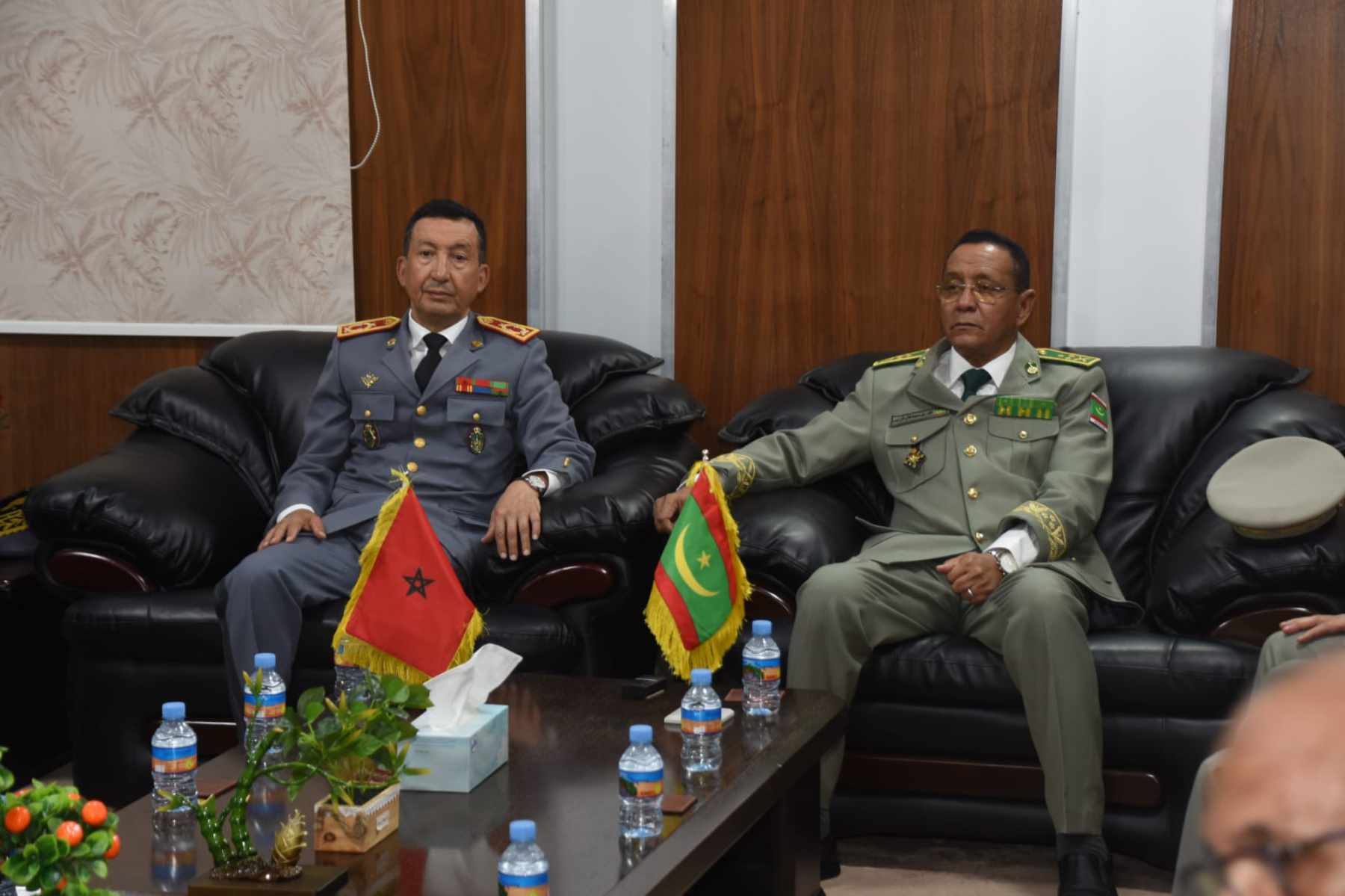
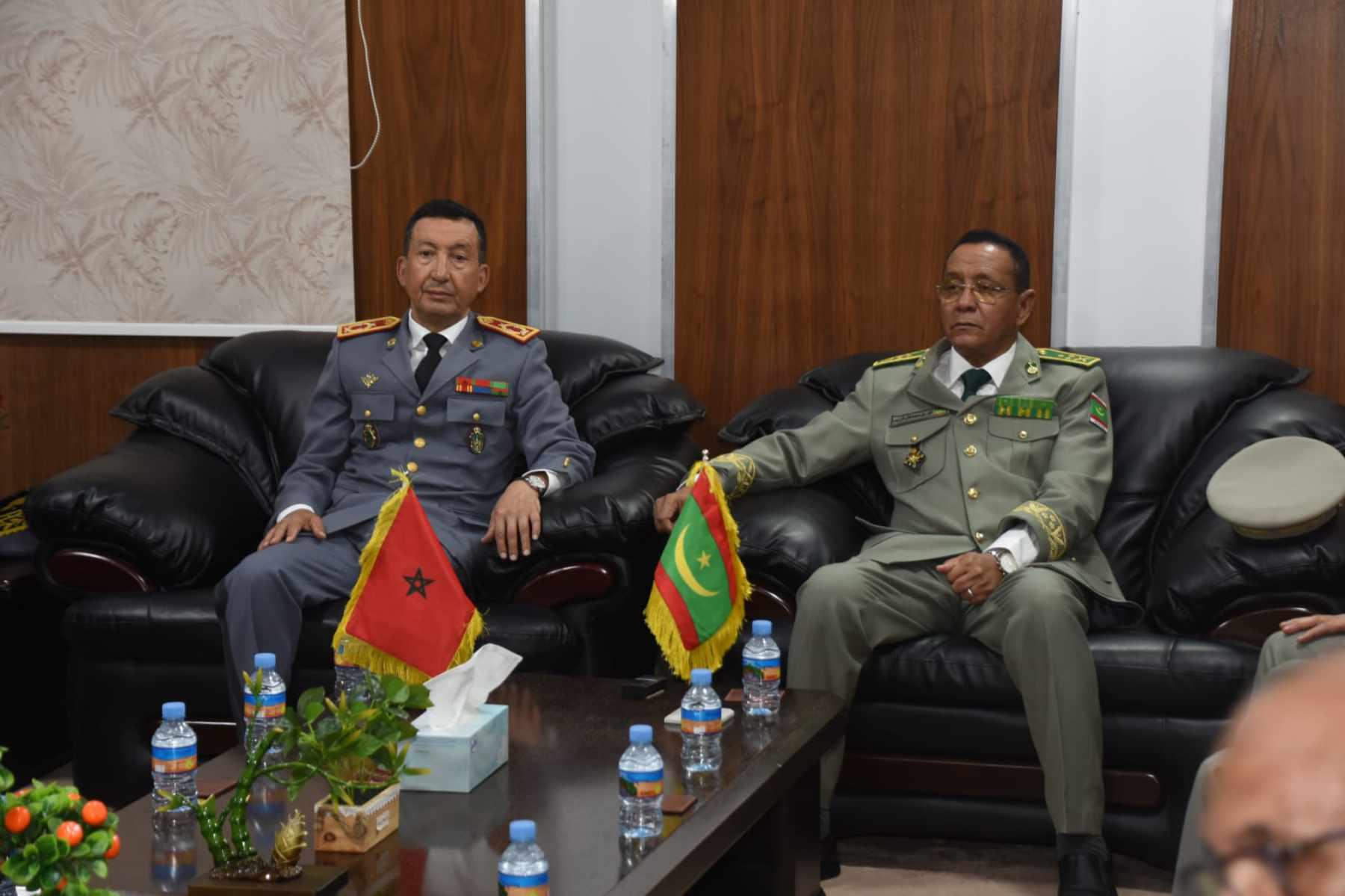
The three-day visit to Nouakchott by Lieutenant General Mohammed Berrid, Inspector General of Morocco’s Royal Armed Forces and Commander of the South Zone, marked a significant step in that process, underscoring how military ties between Rabat and Nouakchott are moving beyond technical coordination into broader strategic integration.
At the centre of the visit was the sixth session of the Moroccan-Mauritanian Joint Military Commission, co-chaired by Berrid and Mauritania’s Chief of General Staff General Mohamed Vall Ould Rayess Rayess, during which both sides praised what they called the “tangible outcomes” of a defence partnership increasingly viewed as central to regional security.
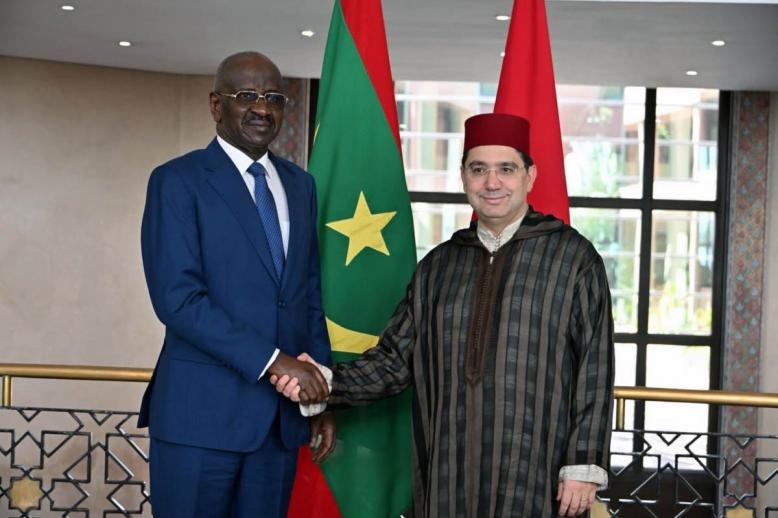
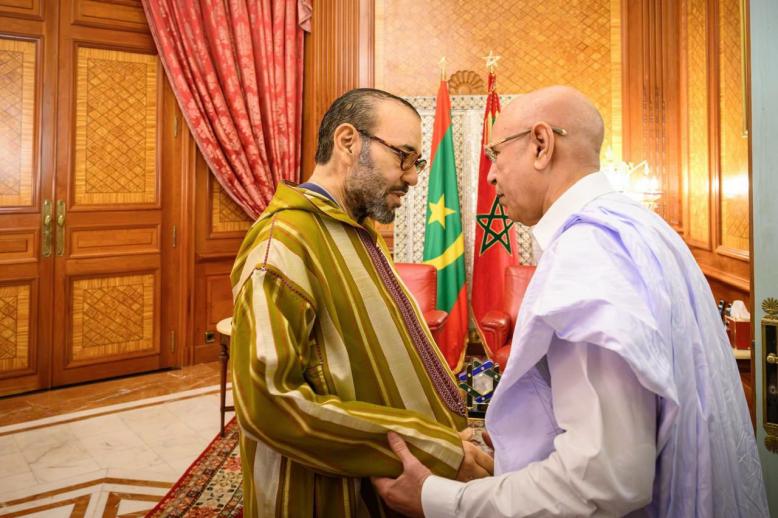
President Mohamed Ould Cheikh El Ghazouani received Berrid on Tuesday in Nouakchott in the presence of Morocco’s ambassador to Mauritania Hamid Chabar, signalling high-level political backing for the expanding military relationship.
Later the same day, Mauritanian Defence Minister Hanana Ould Sidi awarded Berrid the National Order of Merit at the rank of Commander on behalf of the Mauritanian president, a gesture reflecting the growing symbolic and strategic weight of the partnership.
Military cooperation between the two countries dates back to 1971, but the current institutional framework was formalised in 2006 through a memorandum establishing the joint commission. In recent years, that mechanism has gained new urgency as both states confront mounting insecurity stretching from the Sahara into the wider Sahel.
Official discussions have increasingly focused on border surveillance, irregular migration, terrorism, organised crime and trafficking routes that cut across fragile desert frontiers.
Analysts say one of the most sensitive aspects of the partnership concerns efforts to stabilise border zones vulnerable to infiltration by armed groups, including Polisario-linked fighters, as well as smuggling networks involved in cocaine trafficking, weapons transfers and illegal migration.
Security expert Mohamed Tayyar said Mauritanian territory had long been vulnerable to armed and criminal infiltration.
“Mauritanian territory had been considered an open field for terrorist groups and organised crime gangs, including cocaine smuggling, small arms trafficking and irregular migration,” he said.
He stressed that Rabat and Nouakchott were deliberately shaping their military cooperation as a stabilising mechanism rather than a bloc-based alliance, allowing both governments to strengthen capabilities without provoking wider regional tensions.
This evolving defence architecture is also reflected in training cooperation. In December, a delegation from Morocco’s Royal Military Academy in Meknes visited Mauritania’s Military Academy for Combined Arms under a programme involving academic training, field exercises and exchanges in shooting, operational planning, weapons dismantling and military sport.
That initiative pointed to a broader shift towards joint training and capacity building as the foundation for long-term defence integration.
The Moroccan delegation’s visit to the G5 Sahel Defence College further reinforced this trajectory. There, both sides examined operational simulation systems and reviewed training programmes aimed at improving readiness against increasingly sophisticated regional threats.
The fifth joint commission session, held in Rabat in November 2024, had already set out a 2025 cooperation agenda focused on expanding security and defence collaboration. This latest round in Nouakchott appears to deepen that roadmap.
The timing is significant. Sahel instability has worsened as extremist violence spreads, trafficking networks become more entrenched, and migration pressures intensify. At the same time, international diplomatic shifts over Western Sahara have heightened the strategic importance of Morocco-Mauritania coordination.
For both Rabat and Nouakchott, the growing defence partnership is becoming more than bilateral military cooperation: it is emerging as a regional stabilisation axis designed to secure borders, protect trade corridors and contain the spillover of insecurity from one of Africa’s most volatile zones.