



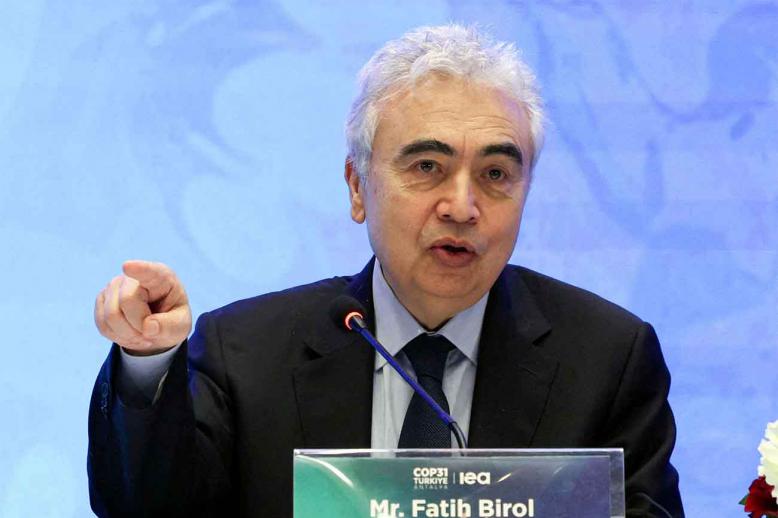
The coalition government agreed on fuel taxes and tax-free bonuses for employees
Germany plans $1.9 billion of fuel price relief
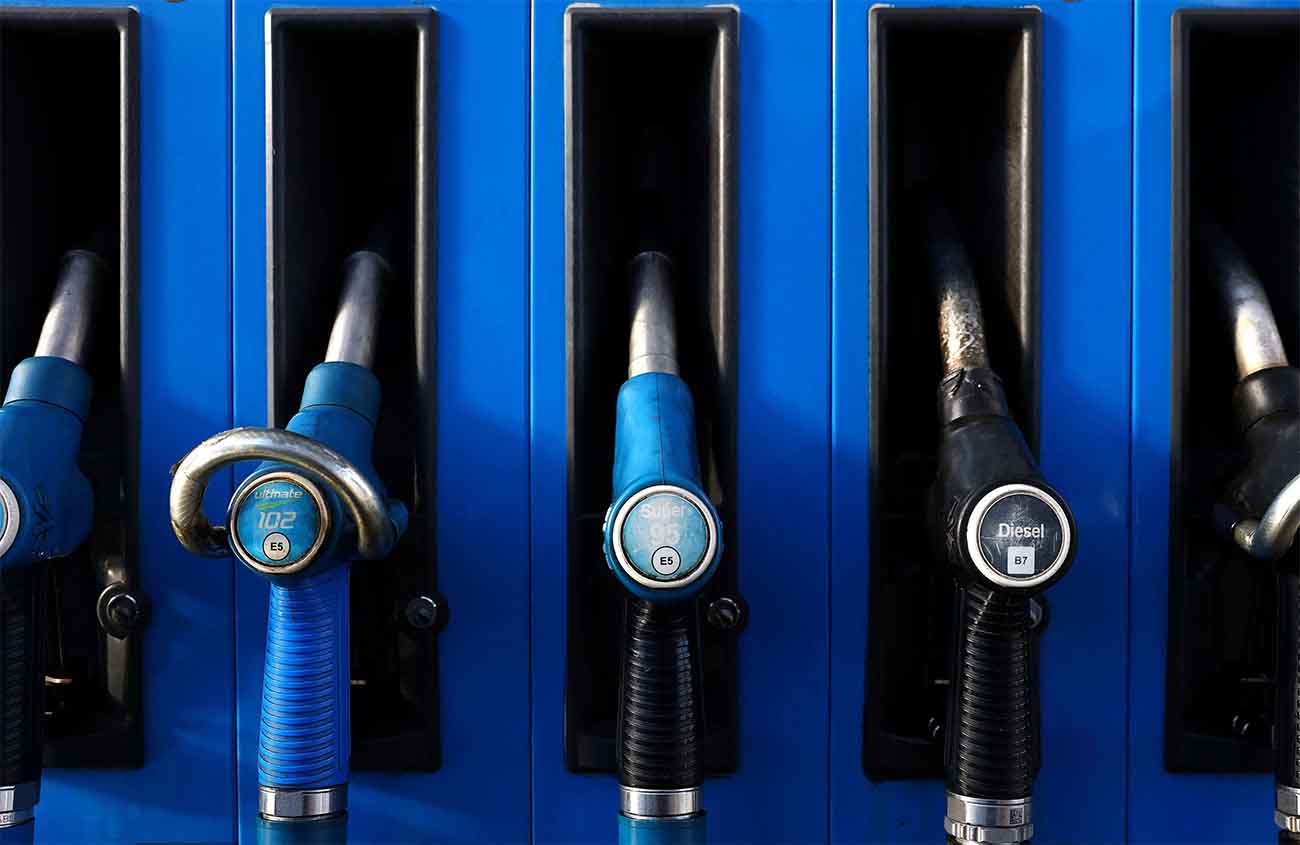
The energy tax on diesel and petrol will be reduced by about 0.17 euros per litre for two months in a bid to tackle the energy crisis exacerbated by the Iran war.
Monday 13/04/2026
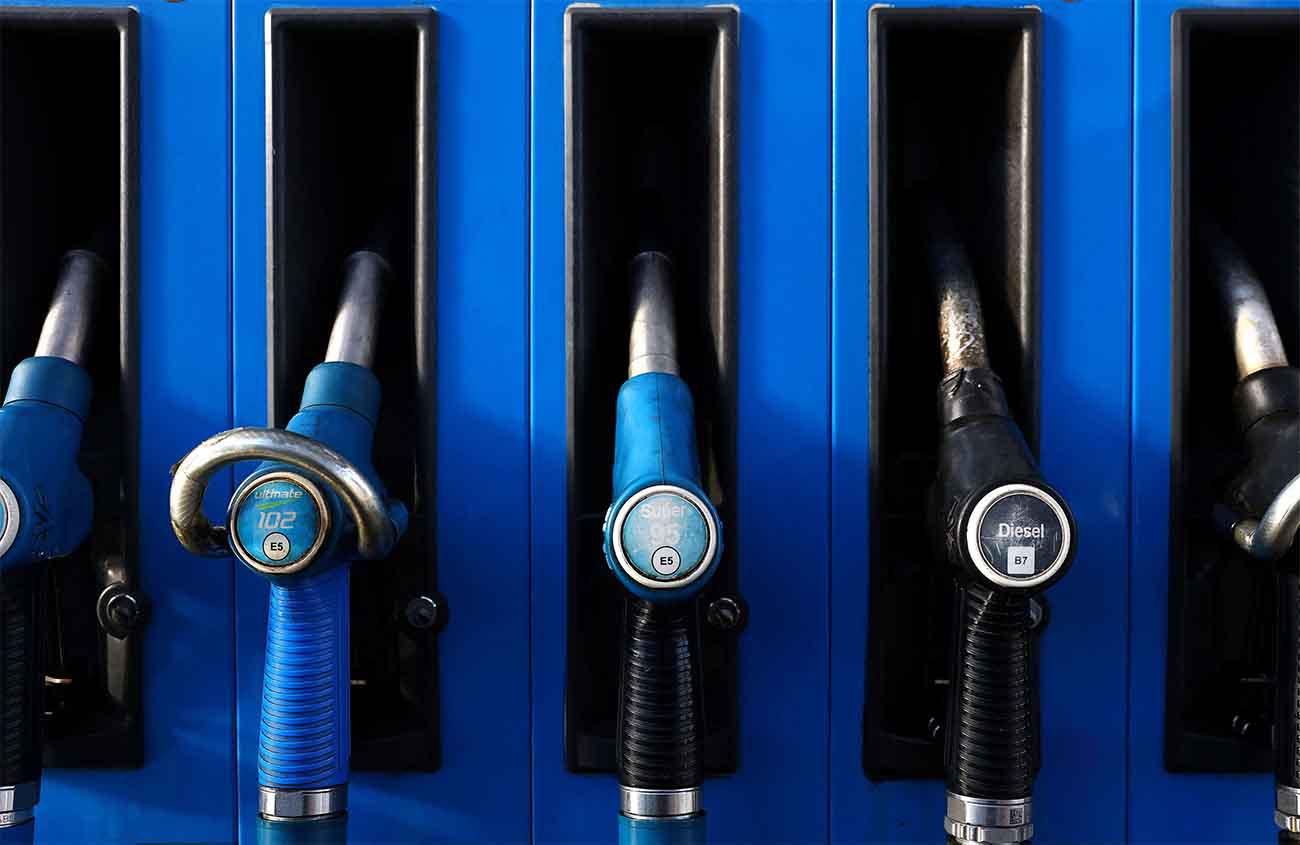
The coalition government agreed on fuel taxes and tax-free bonuses for employees
BERLIN - Germany's coalition government has agreed fuel price relief for consumers and businesses worth 1.6 billion euros ($1.9 billion), ending a spat about how to react to a spike in oil prices due to the Iran war.
The energy tax on diesel and petrol will be reduced by about 0.17 euros per litre for two months, the conservative CDU party and its centre-left SPD coalition partners said on Monday. The Iran war has caused the biggest-ever disruption to global energy supplies, and a planned US blockade of Iranian ports and coastal areas is further inflating crude oil prices.
"This war is the real cause of the problems we are experiencing in our own country as well," Chancellor Friedrich Merz said at a press conference.
He added that the coalition was doing everything it could to tackle problems caused by the war, which has been put on hold for now in a fragile ceasefire deal.
The coalition also agreed to allow companies to pay a 1,000-euro relief bonus per employee, free of payroll taxes and social security charges. In talks over the weekend, the partners appear to have defused a row that erupted on Friday when Economy Minister Katherina Reiche, a Merz party ally, criticised measures suggested by Finance Minister Lars Klingbeil of the Social Democrats centred on a special tax on oil companies' windfall profits.
A person close to Merz, however, told Reuters that Reiche's remarks undermined a push by the chancellor to resolve coalition disputes discreetly.
The government was under pressure to act because Europe's largest economy was already struggling with weak growth and global tariff ructions.
On Monday, Merz said Germany opposes a planned 2027 tightening of European Union CO2 levies for hybrid vehicles and would argue in Brussels for a more "technology-open" approach, including recognition of cars powered by renewable fuels.
The government is also preparing broader income tax reform for lower- and middle-income groups from January 2027.