



From vacuum to volatility
Iraq’s new president faces fractured politics as battle for power intensifies
Amidi, nominated by the Patriotic Union of Kurdistan, secured 227 votes in a second round of voting, becoming Iraq’s sixth head of state since the 2003 overthrow of Saddam Hussein.
Monday 13/04/2026
From vacuum to volatility
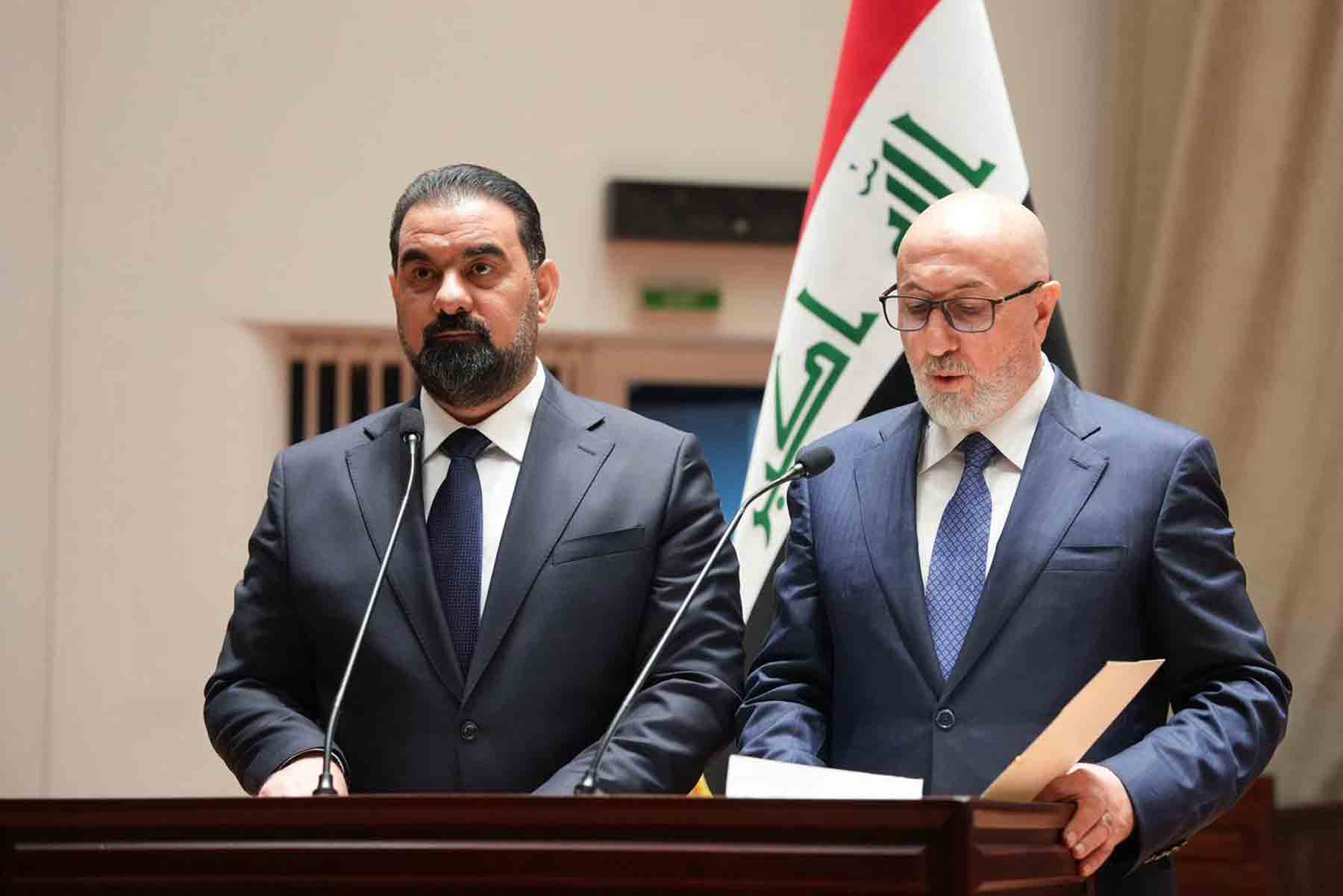
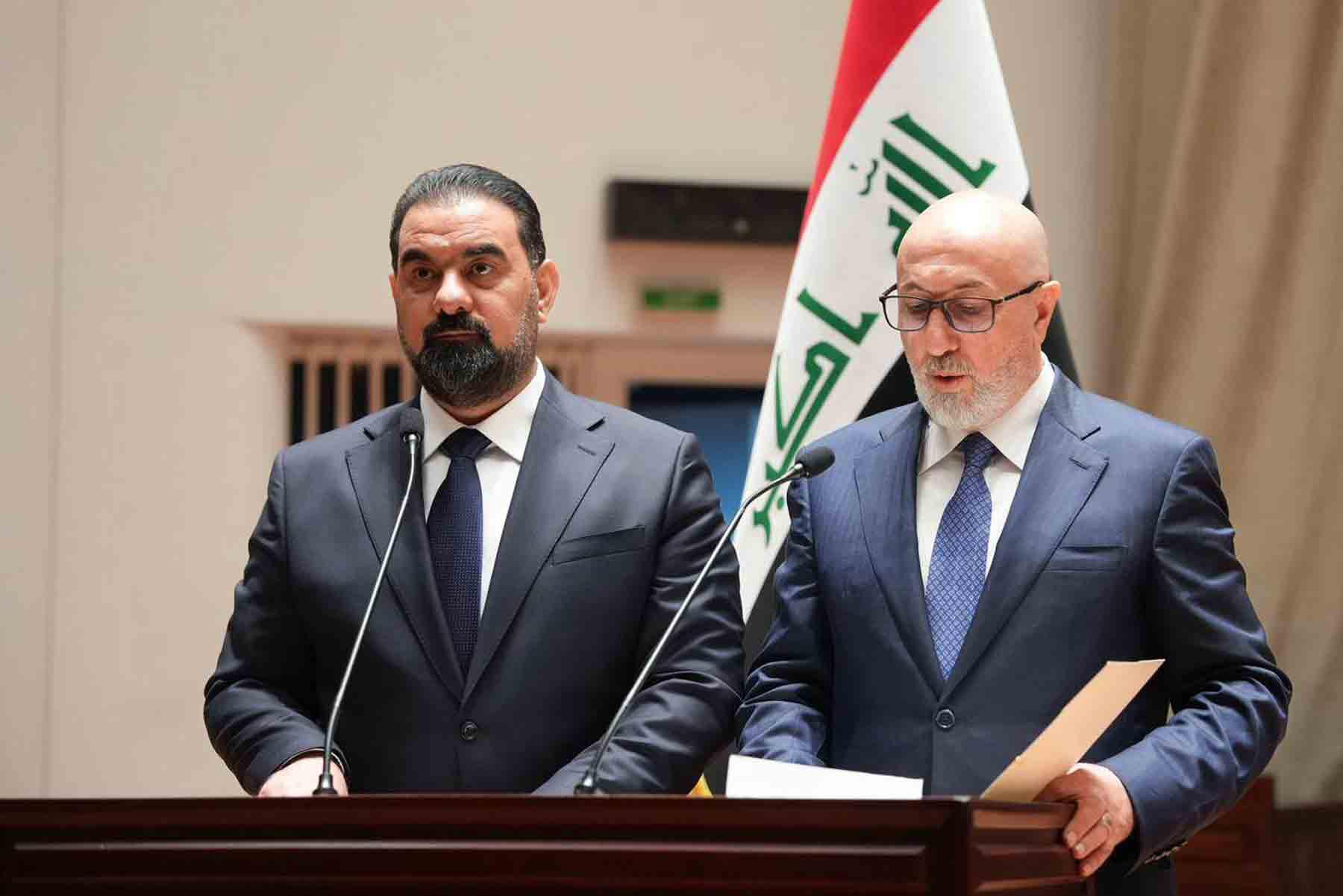
BAGHDAD/ERBIL – The election of Nizar Amidi as Iraq’s president has formally ended months of political paralysis, but it has simultaneously exposed deep structural divisions that threaten to prolong instability, with attention now shifting to the far more contentious battle over the premiership.
Amidi, nominated by the Patriotic Union of Kurdistan, secured 227 votes in a second round of voting, becoming Iraq’s sixth head of state since the 2003 overthrow of Saddam Hussein. Speaking after the vote, he acknowledged the scale of challenges ahead and pledged to work with all branches of government under the principle of “Iraq First.”
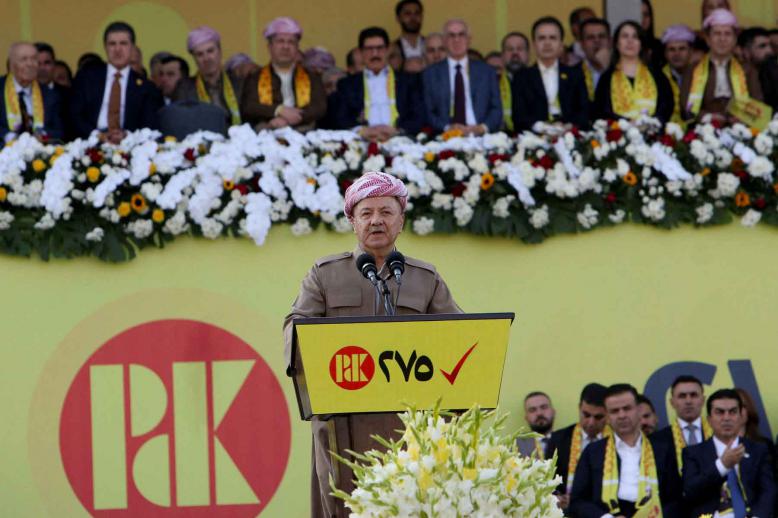
Yet the breakthrough came in a deeply contested session marked by boycotts from major political forces, including the Kurdistan Democratic Party led by Masoud Barzani and the State of Law Coalition of Nouri al-Maliki, underscoring the fragility of the political consensus.
The KDP has outright rejected the result, refusing to recognise Amidi’s presidency and accusing parliament of procedural violations, while also questioning whether the session met the required quorum of 220 lawmakers. Some MPs claimed attendance fell below 180, raising the prospect of legal and constitutional challenges.
The dispute reflects not only procedural concerns but a deeper Kurdish rivalry. The presidency, traditionally allocated to the Kurds, has become a battleground between the KDP and the PUK, weakening Kurdish unity and diminishing their collective leverage in Baghdad.
Analysts warn that this fragmentation comes at a critical moment, as Iraq navigates the aftermath of the US-Israel war on Iran, which has seen Iran-aligned armed groups in Iraq launch attacks on US-linked targets, drawing retaliatory strikes that killed Iraqi personnel.
Against this volatile backdrop, the focus now turns to the formation of the government, widely seen as the true centre of power in Iraq’s system. Under the constitution, Amidi must within 15 days task the nominee of the largest parliamentary bloc with forming a cabinet, a process that must be completed within 30 days.
However, the definition of the “largest bloc” remains contested, and the Coordination Framework, despite holding a parliamentary majority, is internally divided over its candidate. While it has previously backed Maliki, his nomination faces resistance both domestically and internationally, including warnings from Donald Trump of potential consequences for US support.
The crisis is further compounded by Iraq’s sectarian power-sharing system, which allocates the premiership to a Shiite Muslim, the speakership to a Sunni and the presidency to a Kurd, creating overlapping layers of negotiation and veto power.
Meanwhile, the Iraqi public is watching closely, with expectations high for a government capable of addressing chronic economic challenges, unemployment and failing public services.
The risk, analysts say, is that continued fragmentation, particularly within Kurdish ranks and among Shiite forces, could prolong the deadlock that has already left Iraq without a fully functioning government for nearly 150 days.
In this context, Amidi’s election appears less a resolution than a reset: a constitutional step that closes one chapter of the crisis but opens a more decisive and potentially more volatile phase.
Whether Iraq moves towards a political consensus producing a stable government, or slides back into prolonged paralysis, will depend on the ability of its political actors to reconcile competing interests in a system increasingly strained by internal rivalries and external pressures.