

A growing emphasis on sustainable development
Rabat skyline transformed as Morocco opens Mohammed VI Tower
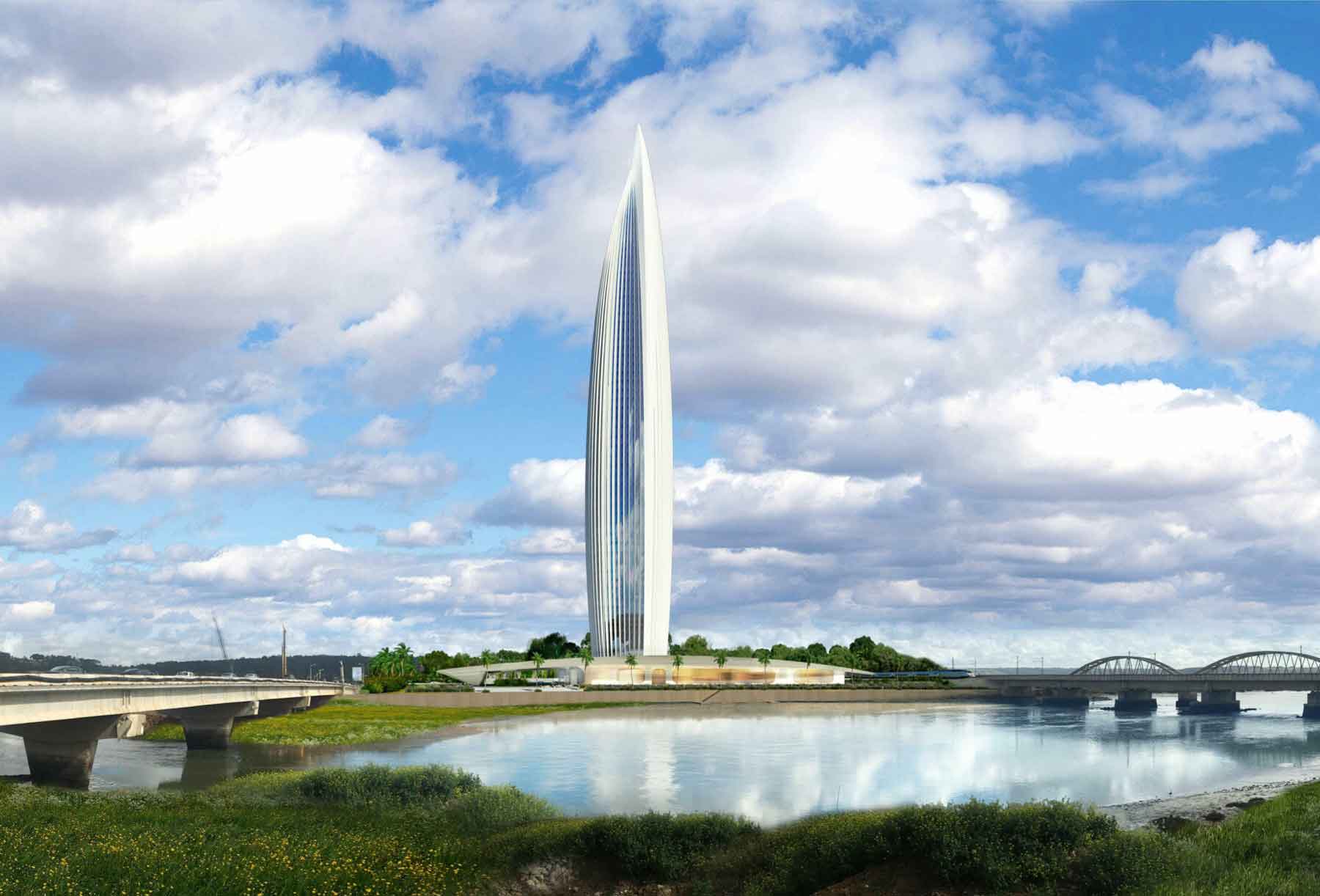
The tower, now a dominant feature of Rabat’s skyline, embodies a dual ambition: projecting modernity while preserving national identity.
Tuesday 14/04/2026

A growing emphasis on sustainable development
RABAT – Morocco has inaugurated the Mohammed VI Tower, the country’s tallest building, in a landmark project that reflects a broader strategy to reshape urban development, strengthen economic positioning and advance sustainability in a rapidly evolving regional landscape.
Opened by Crown Prince Moulay El Hassan, the 250-metre, 55-storey tower rises on the banks of the Bouregreg River as the centrepiece of Rabat’s transformation into a modern, globally connected capital. The project forms part of the wider “Rabat, City of Light” programme, aimed at enhancing the city’s cultural, economic and investment appeal while reinforcing its integration with neighbouring Salé.
The tower, now a dominant feature of Rabat’s skyline and visible from up to 50 kilometres away, embodies a dual ambition: projecting modernity while preserving national identity. Its design combines advanced engineering and international architectural standards with the use of traditional Moroccan materials, culminating in a panoramic heritage observatory that visually reconnects the contemporary structure with the historic fabric of the twin cities.
Spanning around 102,800 square metres, the development brings together a mix of high-end functions, including a luxury Waldorf Astoria hotel, premium office space, upscale residential units and commercial facilities, supported by a four-level podium and 36 lifts.
Officials say the project is intended to create a high-value urban ecosystem capable of attracting investment, tourism and business activity, in line with Morocco’s ambition to position itself as a gateway between Africa and Europe.
Beyond its commercial dimension, the tower underscores Morocco’s growing emphasis on sustainable development. Its façade incorporates photovoltaic panels to reduce energy demand, while systems for rainwater harvesting, wastewater recycling and energy recovery aim to improve efficiency. A rooftop solar installation and advanced environmental design have enabled the building to target LEED Gold and HQE certifications, placing it among the most environmentally advanced structures on the continent.
The project, developed by O Capital Group and built by a joint venture between BESIX and TGCC, represents an investment of around 4 billion Moroccan dirhams ($432 million), according to official estimates. Construction began in late 2018 and was completed in March 2026, encompassing complex engineering works designed to ensure resilience against seismic activity and environmental stress.
Analysts say the tower reflects a broader national approach in which large-scale infrastructure projects serve not only as engines of economic growth but also as instruments of strategic positioning. By embedding sustainability and cultural identity into flagship developments, Morocco is seeking to differentiate its urban model from more conventional high-density or purely commercial projects.
The initiative also carries political significance as part of the long-term development agenda led by King Mohammed VI, with the inauguration by the Crown Prince highlighting continuity in leadership and vision.
Still, the long-term impact of such projects will depend on their ability to deliver beyond symbolism. Questions remain over how far they will contribute to inclusive growth, job creation and broader urban integration, particularly as Morocco navigates regional competition and domestic socio-economic challenges.
For now, the Mohammed VI Tower stands as a statement of intent, a reflection of a country aiming to project confidence, innovation and environmental responsibility, while anchoring its future at the intersection of tradition and transformation.