

The Council is urging Moroccan operators to evolve their practices
Morocco’s Competition Council highlights fuel price asymmetry
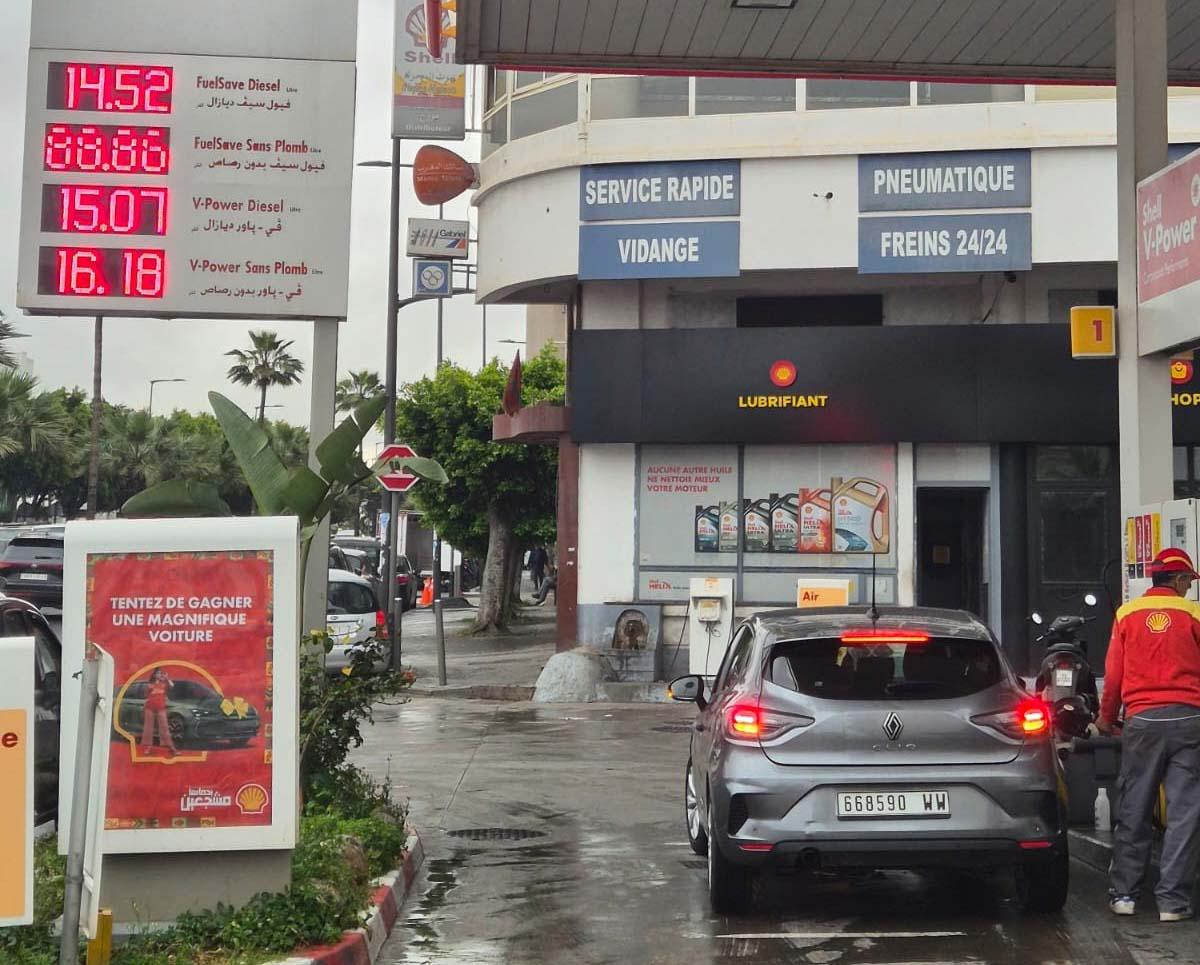
The institution observes a "differentiated transmission" of price hikes to the pump, revealing a notable gap between how diesel and gasoline are priced for the Moroccan consumer.
Thursday 16/04/2026
The Council is urging Moroccan operators to evolve their practices
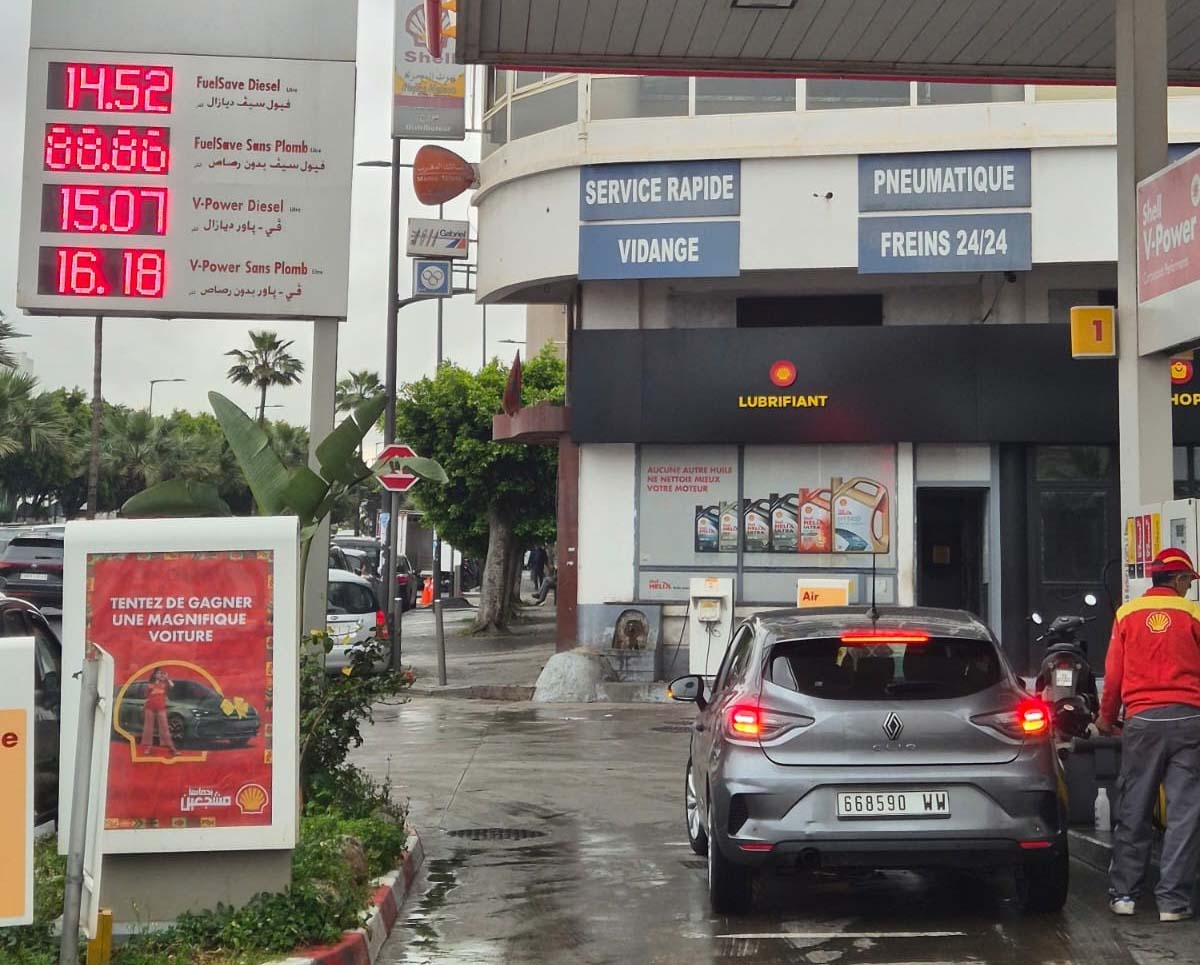
RABAT - Morocco’s Competition Council has provided a fresh analysis of the country's fuel pricing trends in its latest report as the price hikes have caused outrage among consumers.
Amidst a backdrop of rising international costs, the institution observed a "differentiated transmission" of price hikes to the pump, revealing a notable gap between how diesel and gasoline are priced for the Moroccan consumer.
The Global Context
From March 16 to April 1, 2026, the cost of refined petroleum products—specifically on the Amsterdam–Rotterdam–Anvers (ARA) reference market—continued its upward climb. This bullish trend, which began in early March, intensified during the second half of the month, directly impacting the supply conditions for Moroccan operators.
Diverging Paths: Diesel vs. Gasoline
The Council’s note highlights a stark contrast in how these international increases are passed on to the public:
Diesel (Gasoil): Between March 16 and April 1, international prices rose by +2.18 MAD/L, while pump prices increased by only +1.72 MAD/L. This represents a transmission rate of approximately 79%, meaning the full international hike was not entirely passed on to the consumer. For the entire month of March, the cumulative gap reached -1.35 MAD/L, though the gap began to narrow in late March.
Gasoline (Essence): In contrast, gasoline saw an "amplified" hike. While international quotes rose by +1.37 MAD/L, prices at the pump jumped by +1.53 MAD/L.
Market Strategy: The "Compensation Logic"
According to the Council, this asymmetry is a result of market structure. Diesel accounts for the vast majority of sales in Morocco, while gasoline represents only about 13% of operators' turnover.
To mitigate the losses or "gaps" sustained on diesel, operators appear to be over-recovering on gasoline. By hiking gasoline prices more than proportionately, they partially compensate for the incomplete price transmission on the more widely used diesel fuel.
Persistent Hurdles to Competition
While the Council stated it did not find evidence of specific anti-competitive practices (such as price-fixing), it pointed out a troubling "persistent alignment" among operators. Most fuel retailers continue to revise their prices on the same dates—usually the 1st and 16th of each month.
This habit is a relic of the old state-regulated system. In a liberalized market, this lack of flexibility leads to uniform pricing, preventing consumers from benefiting from the individual commercial strategies, stock levels, or supply contracts of different companies.
A Call for Fluid Pricing
The Council is urging Moroccan operators to evolve their practices. The institution highlighted that for a truly competitive market to function, companies must reflect their own specific operational realities in their pricing rather than following a rigid, synchronized calendar. The goal is to ensure a more fluid and fair transmission of global market fluctuations to the Moroccan pump.