


The UAE and the US share a long-standing strategic partnership
UAE asks US for a wartime financial lifeline
The WSJ reports Abu Dhabi is seeking assurances from Washington to protect against worst-case scenarios such as a prolonged closure or severe disruption of the Strait of Hormuz, sharp spikes in global oil prices, or sustained damage to critical infrastructure.
Monday 20/04/2026
The UAE and the US share a long-standing strategic partnership
ABU DHABI - The United Arab Emirates has begun discussions with the United States about securing a financial backstop, in case the US-Israeli war with Iran sends the Gulf nation into a deeper crisis, the Wall Street Journal reported on Sunday.
The talks, which began in recent days, centre on contingency arrangements that could include emergency liquidity support, oil price stabilisation mechanisms, or direct financial guarantees to shield the UAE’s economy from prolonged disruption caused by the conflict.
The UAE, one of the region’s most exposed economies to energy market volatility, has already faced direct impacts from Iran’s sustained aerial campaign that began on February 28. Recent strikes and intercepted threats have damaged or disrupted key energy infrastructure, including a fire at ADNOC’s Habshan gas facilities and multiple drone incidents across the Gulf.
Rising Economic Risks Prompt Urgent Diplomacy
Sources familiar with the discussions told the Journal that Abu Dhabi is seeking assurances from Washington to protect against worst-case scenarios such as a prolonged closure or severe disruption of the Strait of Hormuz, sharp spikes in global oil prices, or sustained damage to critical infrastructure.
The UAE’s economy, heavily reliant on energy exports, foreign investment, and tourism, could face significant pressure if the conflict escalates further or drags on. While the country maintains strong financial reserves, officials are keen to secure an explicit US-backed safety net to maintain investor confidence and economic stability.
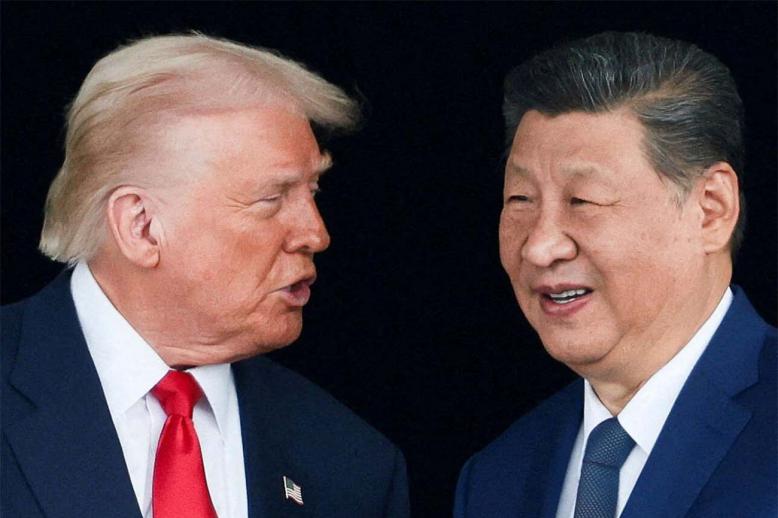
The reported talks come as President Donald Trump has publicly stated that the US could reopen the Strait of Hormuz “with a little more time,” while simultaneously urging Gulf states to take greater responsibility for their own maritime security. At the same time, secret negotiations involving the US, Iran, and regional mediators are reportedly exploring a possible 45-day ceasefire.
Strategic Partnership Under Strain and Opportunity
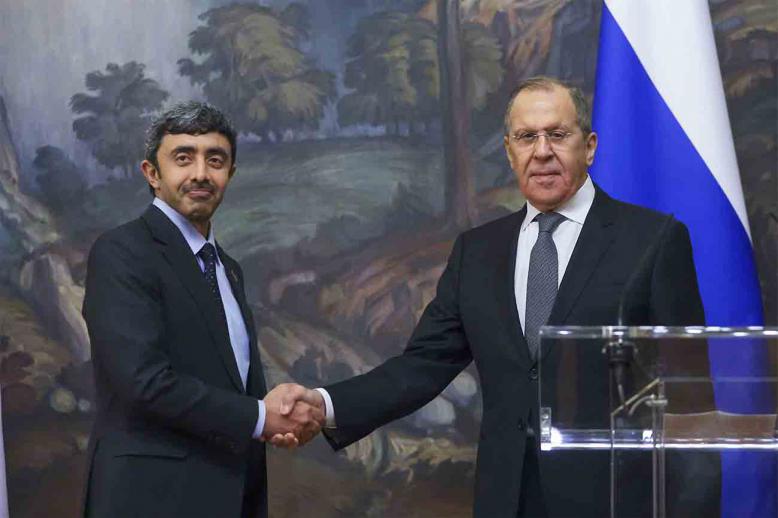
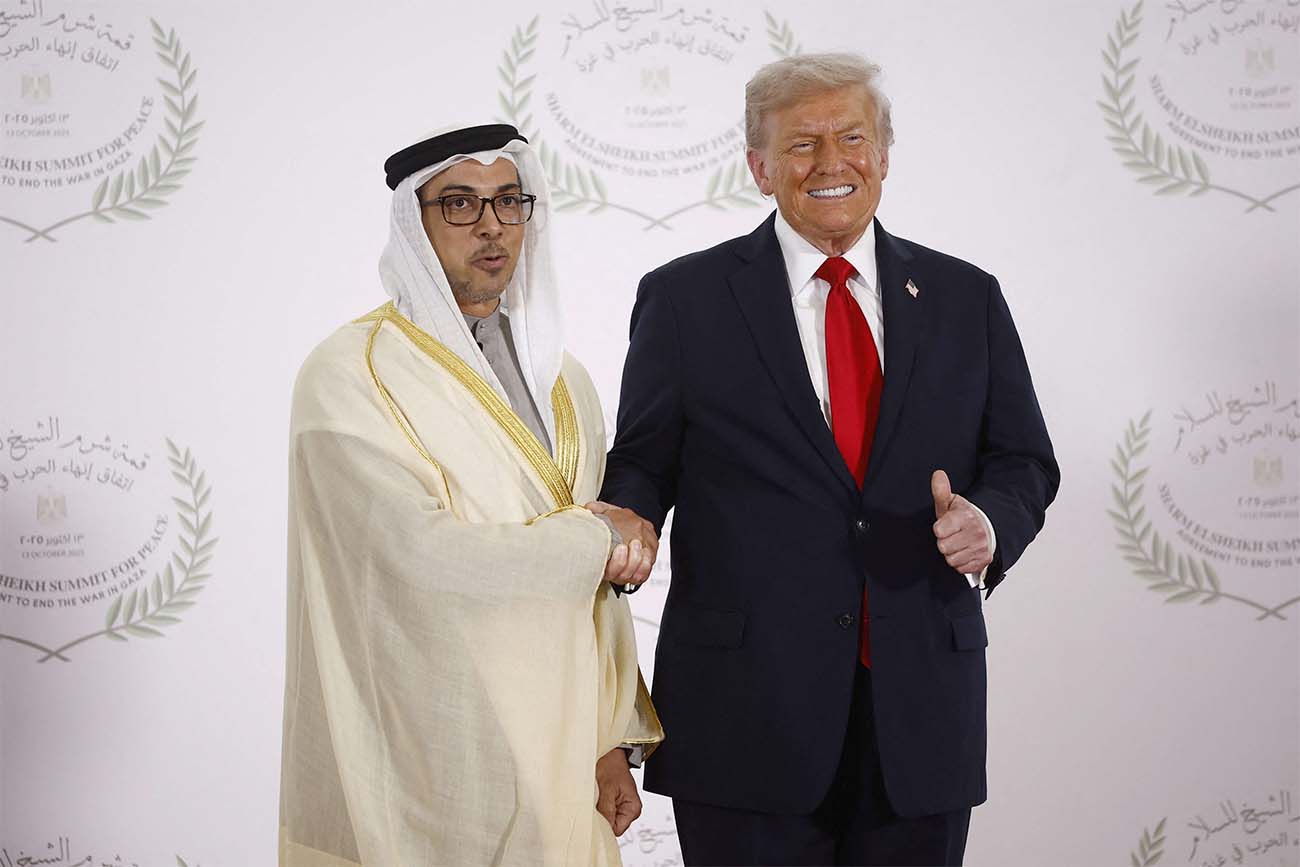
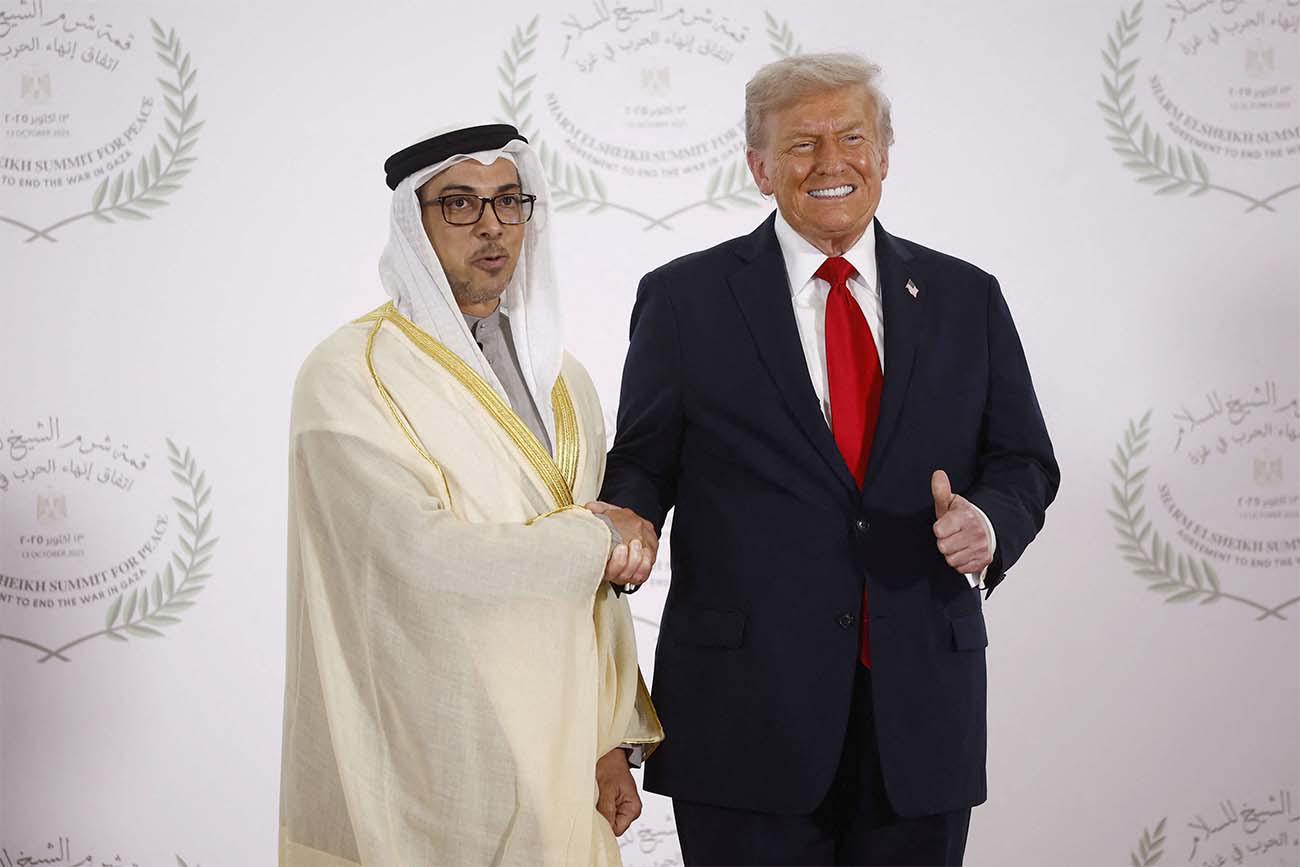
The UAE and the United States share a long-standing strategic partnership, with deep military, economic, and energy ties. Washington maintains a major military presence in the UAE, and the two countries have coordinated closely throughout the current crisis.
A senior UAE official, speaking on condition of anonymity, described the discussions as “prudent contingency planning” rather than a sign of panic. “We are preparing for all scenarios to protect our economy and our people,” the official said.
The move also reflects broader concerns across Gulf capitals. Saudi Arabia recently summoned Iraq’s ambassador over drone attacks launched from Iraqi territory, while EU foreign policy chief Kaja Kallas warned that allowing Iran to control or restrict the Strait of Hormuz would create a dangerous “slippery slope” for global security.
The Wall Street Journal report did not specify the exact size or form of the potential US financial backstop being discussed, nor whether any formal agreement is imminent. However, it noted that the conversations are being led at senior levels in both governments.
As the Iran conflict enters its eighth week, the UAE’s outreach to Washington underscores the growing economic dimension of the crisis. While ceasefire talks continue behind the scenes, Gulf states are simultaneously reinforcing their financial defences in case diplomacy fails to deliver a swift resolution.
The UAE government has not issued an official comment on the Journal report. The White House also declined to confirm or deny the discussions when asked on Sunday.