

A focus on reducing hostilities
UN-backed talks signal fragile progress towards de-escalation in Yemen
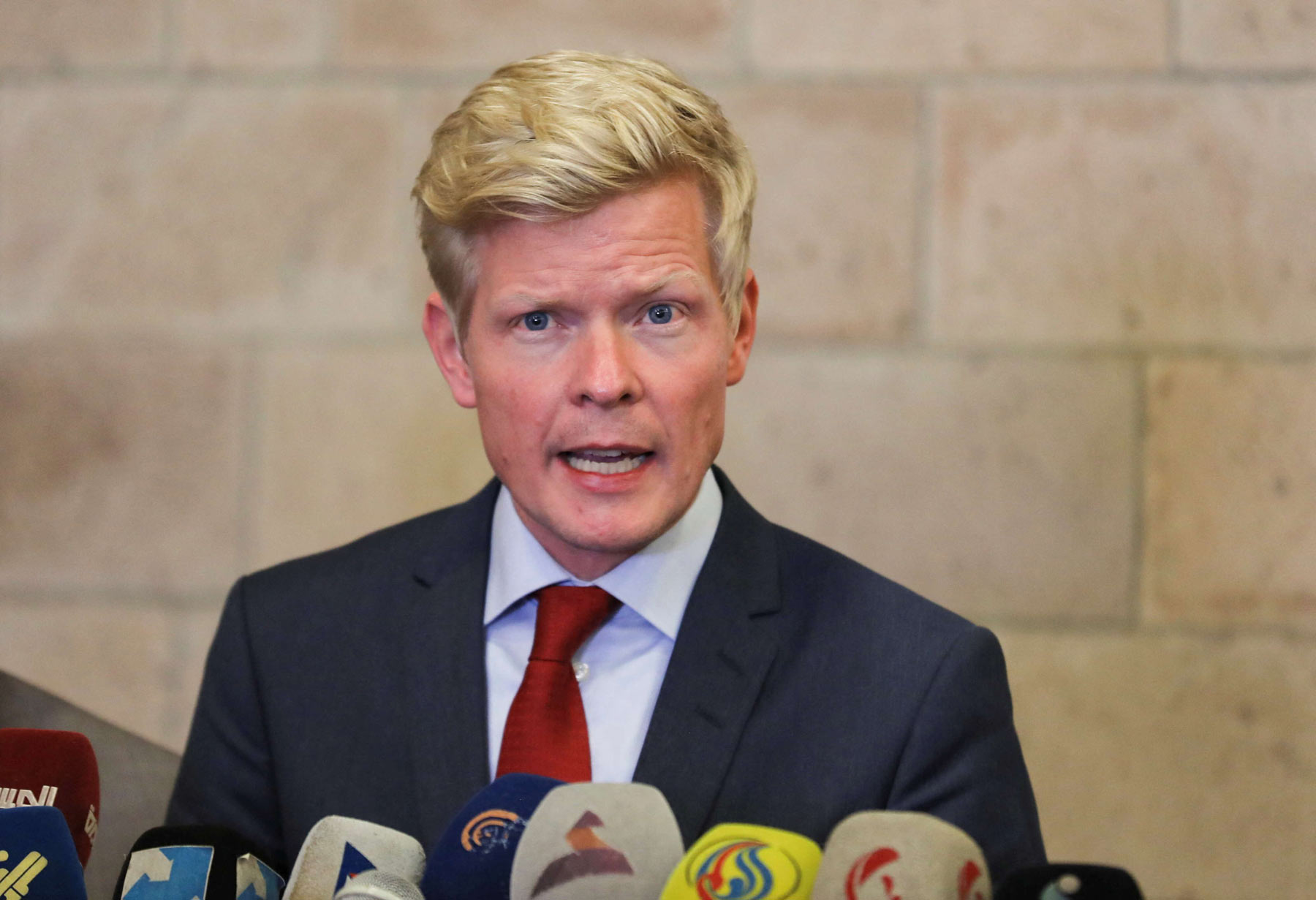
The office of UN Special Envoy Hans Grundberg said the discussions brought together representatives of Yemen’s government, the Saudi-led coalition and the Houthi movement.
Wednesday 22/04/2026
A focus on reducing hostilities
AMMAN/ADEN – A new round of UN-facilitated military talks aimed at easing tensions in Yemen has concluded in the Jordanian capital, offering cautious signs of progress in efforts to stabilise one of the world’s most protracted conflicts.
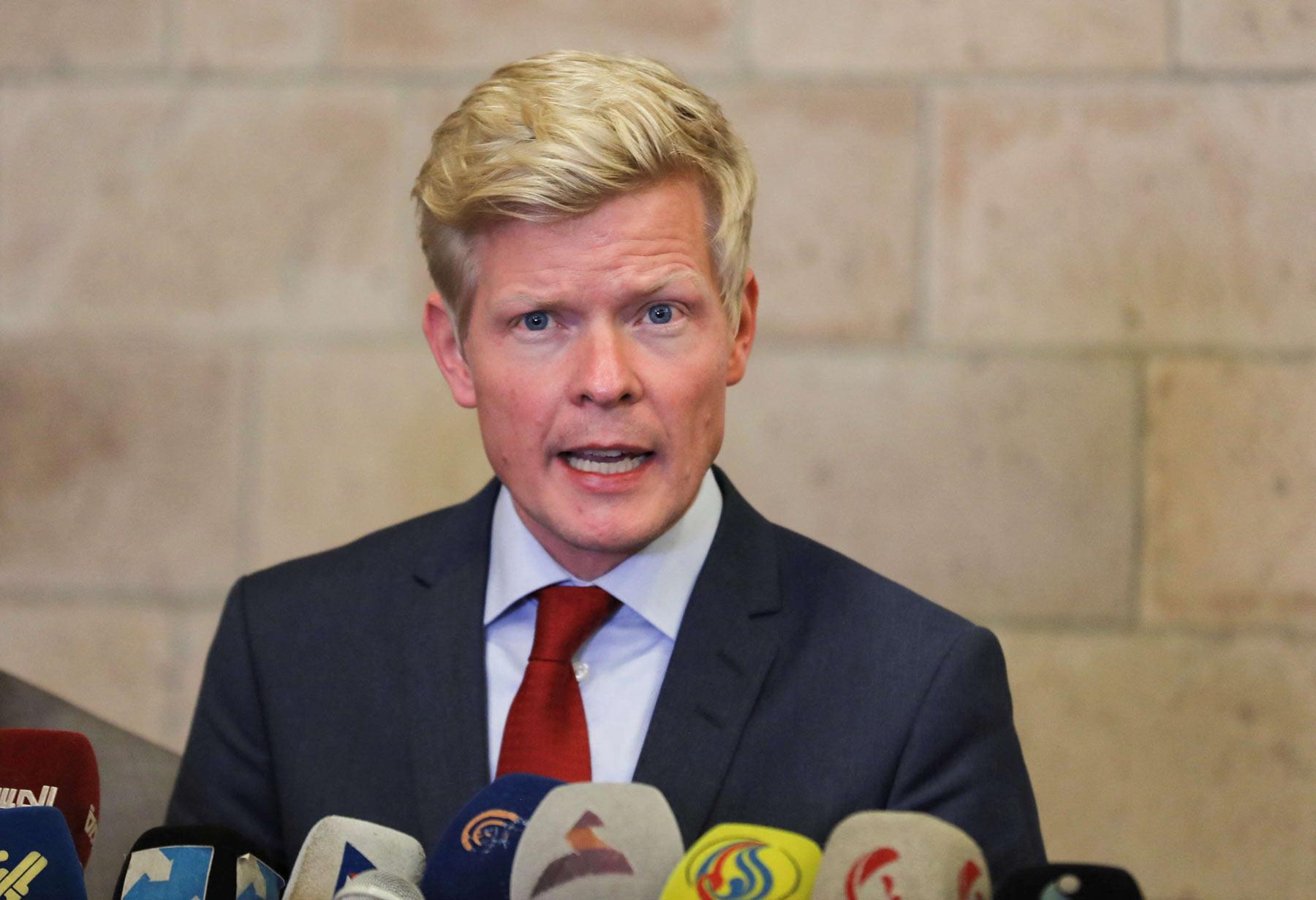
The office of UN Special Envoy Hans Grundberg said the two-day discussions, held from Sunday to Monday in Amman, brought together representatives of Yemen’s internationally-recognised government, the Saudi-led coalition and the Houthi movement.
Convened under the framework of the Military Coordination Committee (MCC), the meetings focused on reducing hostilities and building confidence between the parties amid persistent regional volatility.
According to a statement from the envoy’s office, participants “discussed the current context in Yemen and the region” and explored “ways to improve security for Yemenis through de-escalation and continued dialogue.” The language reflects a continued emphasis on incremental trust-building rather than sweeping political breakthroughs.
The talks form part of ongoing UN efforts to preserve a fragile lull in large-scale fighting that has largely held since a truce brokered in 2022. While that ceasefire formally expired, its core elements have broadly endured, preventing a return to full-scale war.
Crucially, the envoy’s office indicated that, “based on a commitment from all sides,” preparations are under way to convene a broader meeting bringing together all three MCC delegations in the near future, a step seen as vital to sustaining momentum and translating technical discussions into practical measures on the ground.
The MCC, established in May 2022 following the UN-mediated truce, serves as a rare platform where military representatives from opposing sides engage directly under international supervision. Its mandate includes monitoring ceasefire conditions, reducing escalation risks and improving coordination to support a longer-term political settlement.
Despite these efforts, Yemen’s conflict remains deeply entrenched. Since 2014, when Houthi forces seized the capital Sana’a and large swathes of the north, the country has been divided along political and military lines. A Saudi-led coalition intervened in 2015 to restore the government, turning the crisis into a complex regional conflict.
Years of war have devastated Yemen’s infrastructure and economy, leaving millions dependent on humanitarian aid. The United Nations continues to describe the situation as one of the world’s worst humanitarian crises, with widespread food insecurity and limited access to basic services.
Against this backdrop, even modest progress in dialogue is viewed as significant. The latest Amman meetings underscore a gradual, if fragile, shift towards de-escalation, one that hinges on sustained engagement, regional cooperation and the willingness of all parties to move beyond military calculations.
For now, the focus remains on preserving calm and building the conditions for a broader political process, an objective that has repeatedly proved elusive but remains the only viable path to ending Yemen’s long-running war.