

A growing catalogue of controversies
Israel names envoy to Christian world after scandals strain ties
The appointment faces immediate challenges, as it collides with a growing catalogue of controversies extending well beyond the Lebanon incident.
Friday 24/04/2026
A growing catalogue of controversies
JERUSALEM – Israel has appointed a special envoy to the Christian world in what observers see as a bid to contain mounting international anger following a series of incidents that have shaken its standing among global Christian communities.
The move, announced by Foreign Minister Gideon Sa’ar, comes in the wake of a widely circulated incident in which an Israeli soldier smashed a statue of Jesus in a southern Lebanese village, an act that sparked outrage across Christian circles worldwide.
Although the army said the soldier and another serviceman involved were removed from combat duties and briefly detained, critics viewed the punishment as largely symbolic, reinforcing perceptions of impunity in cases involving attacks on religious symbols.
Against this backdrop, the foreign ministry moved quickly to shore up diplomatic channels, appointing veteran diplomat George Deek to the newly-created role. Deek, Israel’s first Christian ambassador and a member of the Arab Christian community in Jaffa, most recently served as envoy to Azerbaijan. His appointment carries clear symbolic weight, with Israeli officials hoping his background will help engage directly with the Vatican and churches worldwide while projecting an image of religious pluralism.
“The State of Israel attaches great importance to its relations with the Christian world,” Sa’ar said, expressing confidence that Deek would help strengthen ties and rebuild trust.
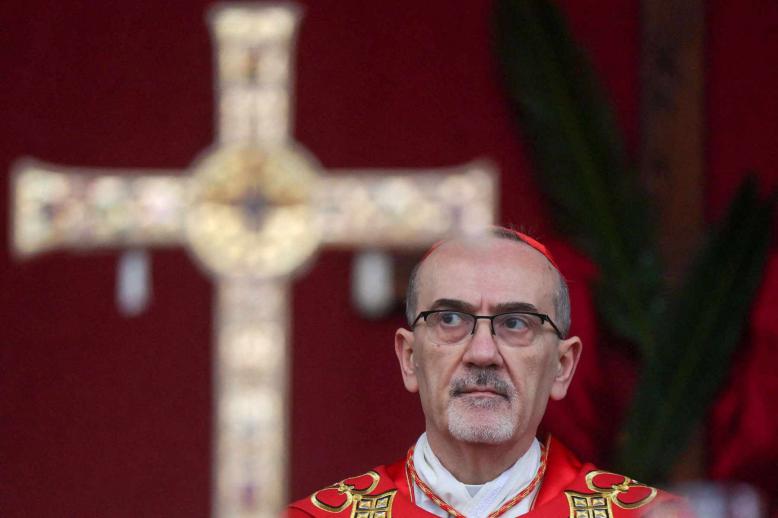
Yet the appointment faces immediate challenges, as it collides with a growing catalogue of controversies extending well beyond the Lebanon incident. In recent months, tensions have flared in Jerusalem, where restrictions on religious access and repeated reports of harassment have strained relations with Christian leaders. Israeli police previously barred Latin Patriarch Pierbattista Pizzaballa from attending Palm Sunday ceremonies at the Church of the Holy Sepulchre, before reversing course following international pressure.
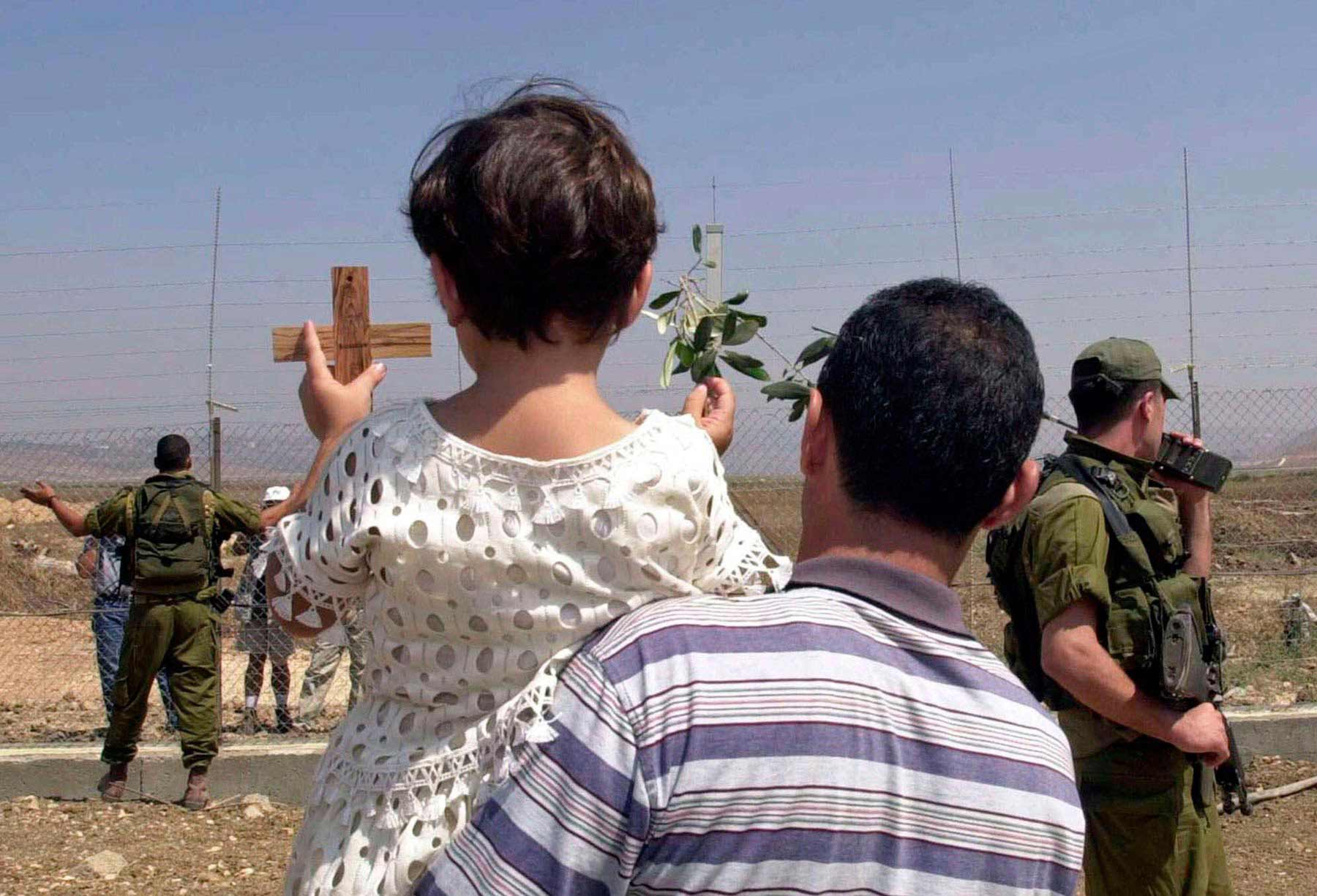
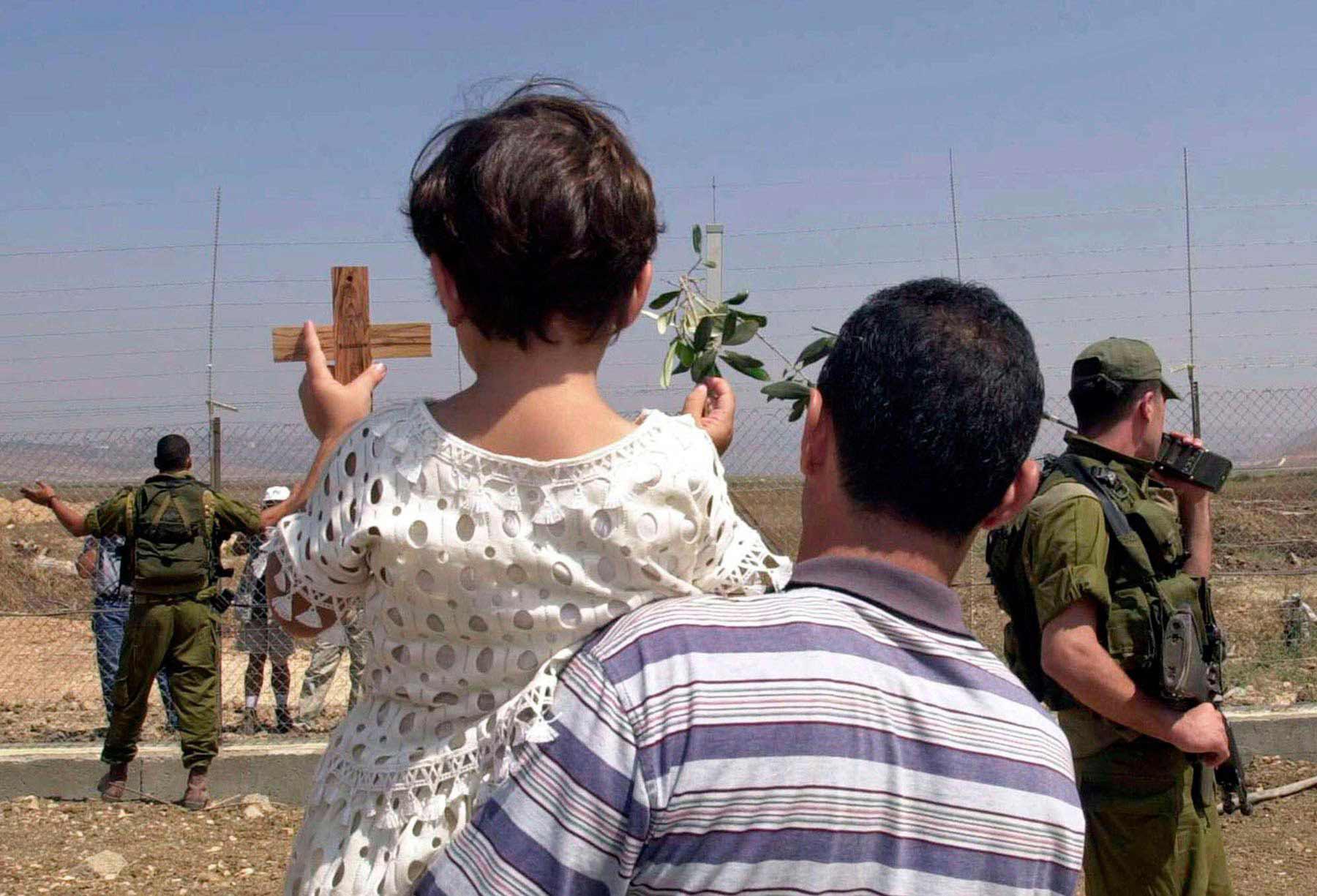
Reports of assaults and harassment against clergy in the Old City, including spitting incidents by extremists, have further deepened concern. According to documented cases, attacks have ranged from verbal abuse to physical assaults and damage to church property, feeding a narrative among church leaders that the space for Christian worship and presence is narrowing.
The controversy has unfolded alongside Israel’s ongoing military operations in Lebanon and Gaza Strip, which have drawn criticism from religious institutions concerned about the impact on historic Christian communities and sites.
In Lebanon, where some southern areas host long-established Christian populations, the scale of destruction and displacement since March 2026 has intensified scrutiny of Israel’s actions. Churches and affiliated institutions in Gaza have also not been spared damage, further complicating Israel’s outreach to Christian audiences, particularly in the West.
This widening gap highlights a stark contradiction between diplomatic messaging and developments on the ground. While Israeli officials emphasise the importance of ties with Christians and portray the country as a guardian of religious freedom, critics argue that repeated incidents and wartime conduct undermine that narrative.
Even as Prime Minister Benjamin Netanyahu has publicly defended Israel’s record on religious freedom, pointing to the growth of the Christian population within the country, the cumulative effect of recent events has raised doubts among traditional allies, including evangelical groups that have long formed a key pillar of international support.
Deek’s task, therefore, is likely to be complex and politically sensitive. He will be expected to promote Israel’s image as a protector of holy sites and religious diversity while addressing growing scepticism rooted in highly visible incidents and broader regional dynamics.
Analysts say diplomatic gestures alone may not be sufficient to repair the damage. While the creation of a special envoy role could help reopen dialogue with church institutions and global Christian organisations, they argue that meaningful improvement will depend on tangible changes on the ground, including accountability for violations and safeguards for religious sites and communities.
As scrutiny intensifies, many within the international Christian community are watching closely to see whether Israel’s latest move represents a genuine effort to recalibrate relations or a limited attempt at damage control in the face of a deepening credibility gap.