

New Delhi is expanding Gulf diplomacy
UAE, India align on energy security amid regional turmoil
The UAE has positioned itself as a central player in managing the fallout, leveraging its role as a major energy exporter and logistics hub.
Monday 27/04/2026
New Delhi is expanding Gulf diplomacy
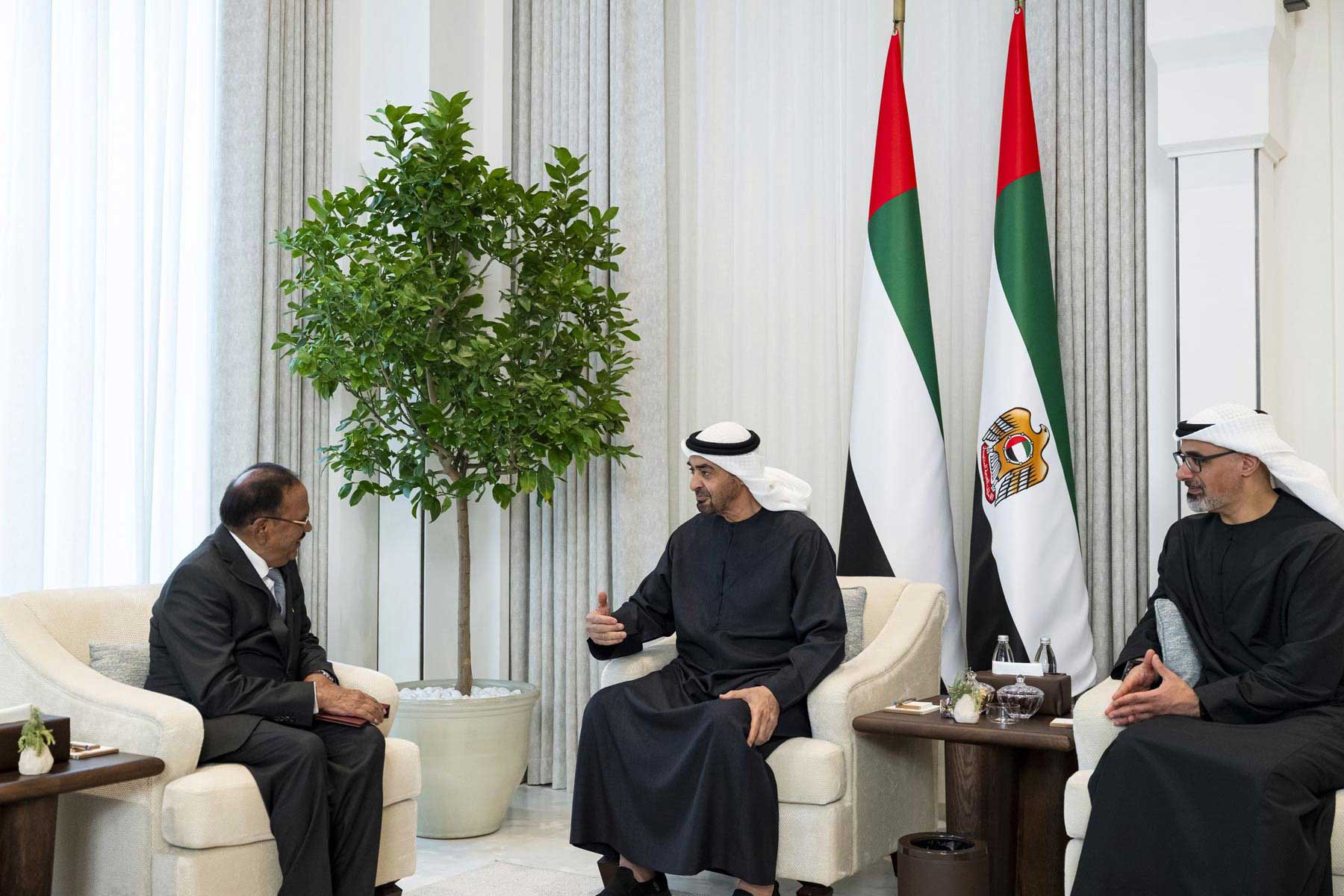
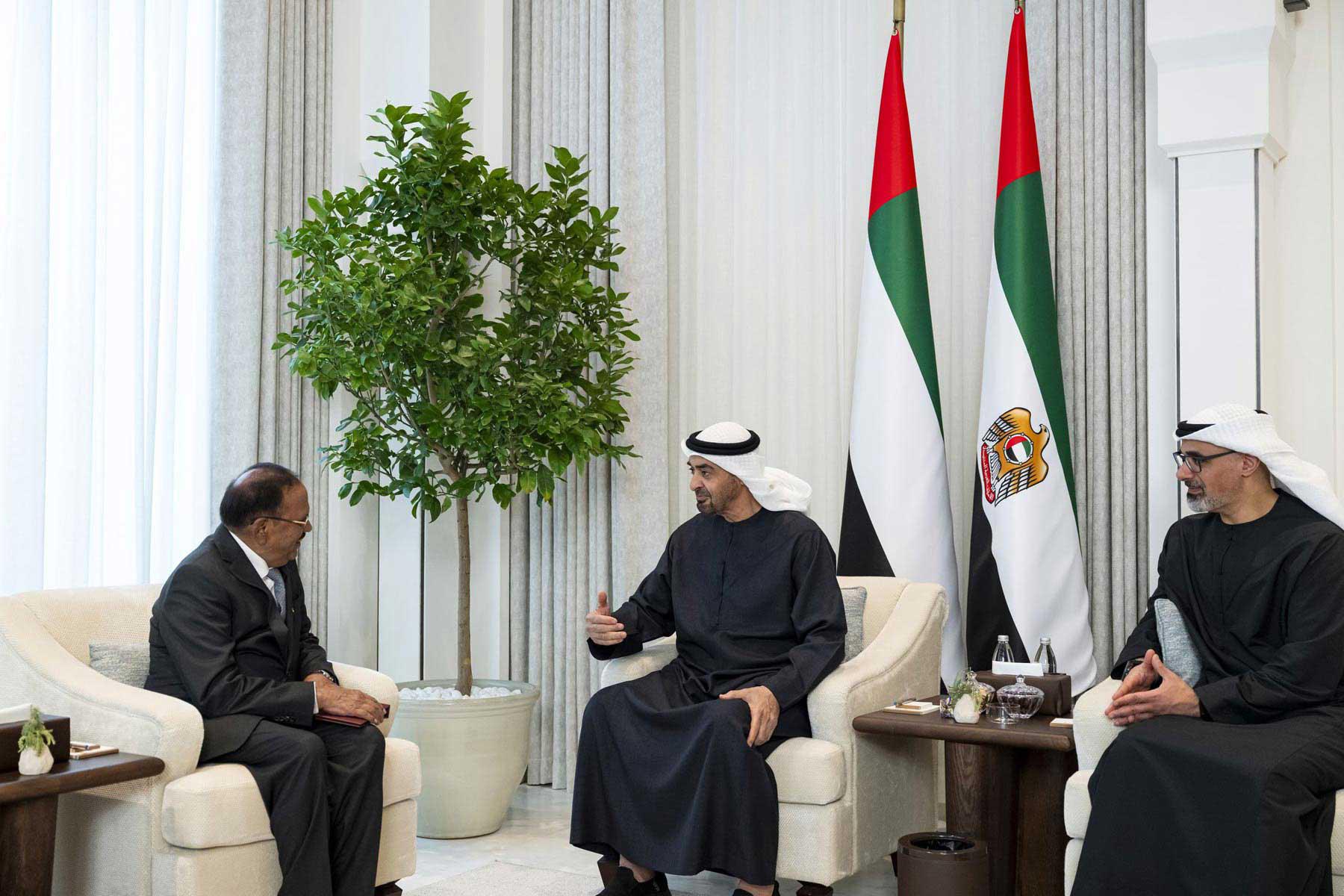
ABU DHABI – UAE President Mohamed bin Zayed Al Nahyan and India’s National Security Adviser Ajit Doval held talks on Saturday focusing on regional stability and energy security, as the war in the Middle East continues to disrupt global markets and shipping routes.
The meeting, held in Abu Dhabi and attended by senior Emirati officials including Crown Prince Khaled bin Mohamed bin Zayed Al Nahyan, comes amid heightened concern over the broader impact of the conflict involving the United States, Israel and Iran.
According to state news agency WAM, the two sides reviewed developments in the region and their implications for international security, as well as risks to global energy supplies and trade flows.
India’s Narendra Modi conveyed his greetings through Doval, underscoring the importance New Delhi places on its strategic partnership with the UAE.
The talks are part of a broader Indian diplomatic push in the Gulf, following recent engagements with Saudi Arabia and other regional players, as New Delhi seeks to safeguard energy imports and strengthen security coordination.
The crisis has been exacerbated by disruptions in the Strait of Hormuz, a key chokepoint for global oil and gas shipments. Trade flows through the strait have been sharply reduced in recent weeks, with only limited shipping activity reported, contributing to higher oil prices and increased volatility in global markets.
India, heavily dependent on energy imports from the Middle East, has been particularly exposed to the disruption. Officials say maintaining stable supply routes is a top priority, as rising costs threaten to feed into domestic inflation and economic pressures.
The UAE, for its part, has positioned itself as a central player in managing the fallout, leveraging its role as a major energy exporter and logistics hub to coordinate with international partners.
Saturday’s discussions also touched on strengthening the Comprehensive Strategic Partnership between the two countries, including cooperation on energy security and counter-terrorism.
Analysts say the meeting highlights how the Middle East conflict is increasingly viewed not as a contained regional crisis but as a global economic and security challenge, with implications for supply chains, inflation and geopolitical stability.
Despite a pause in large-scale fighting, uncertainty remains high, with diplomatic efforts to revive negotiations between Washington and Tehran showing little progress.
Against this backdrop, India’s stepped-up engagement with Gulf states reflects a pragmatic approach to managing risks, while the UAE continues to expand its network of strategic partnerships to navigate an increasingly volatile regional environment.
The meeting underscores a shared understanding that sustained coordination will be essential to contain the crisis and mitigate its global impact, even as prospects for a near-term resolution remain unclear.