

Ceasefire framework faces key test
US sees 'promising signs' on Hamas disarmament as talks advance
US Secretary of State Marco Rubio suggested in comments to Fox News that progress was being made towards an understanding on the demilitarisation of the Palestinian group.
Tuesday 28/04/2026
Ceasefire framework faces key test
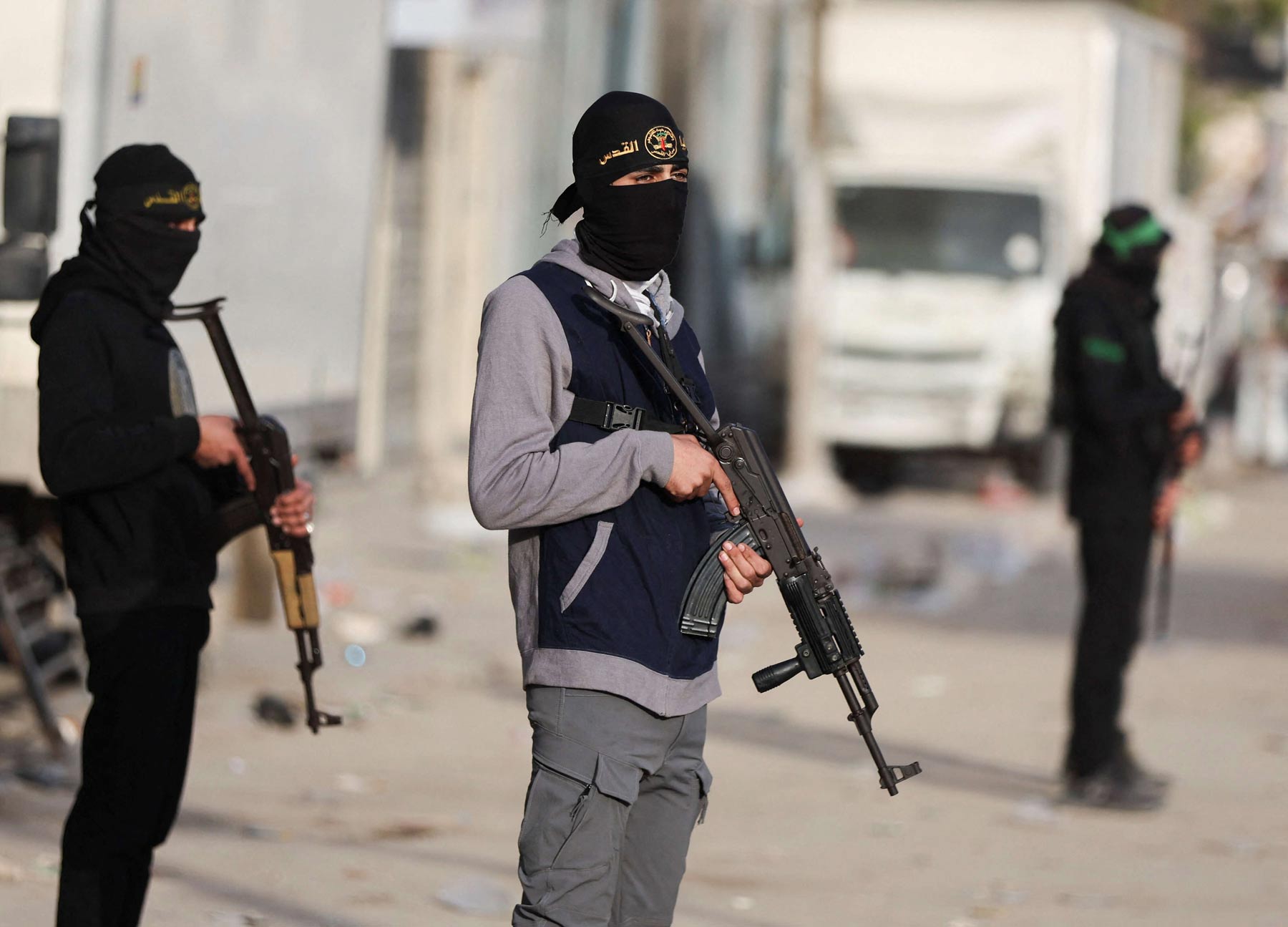
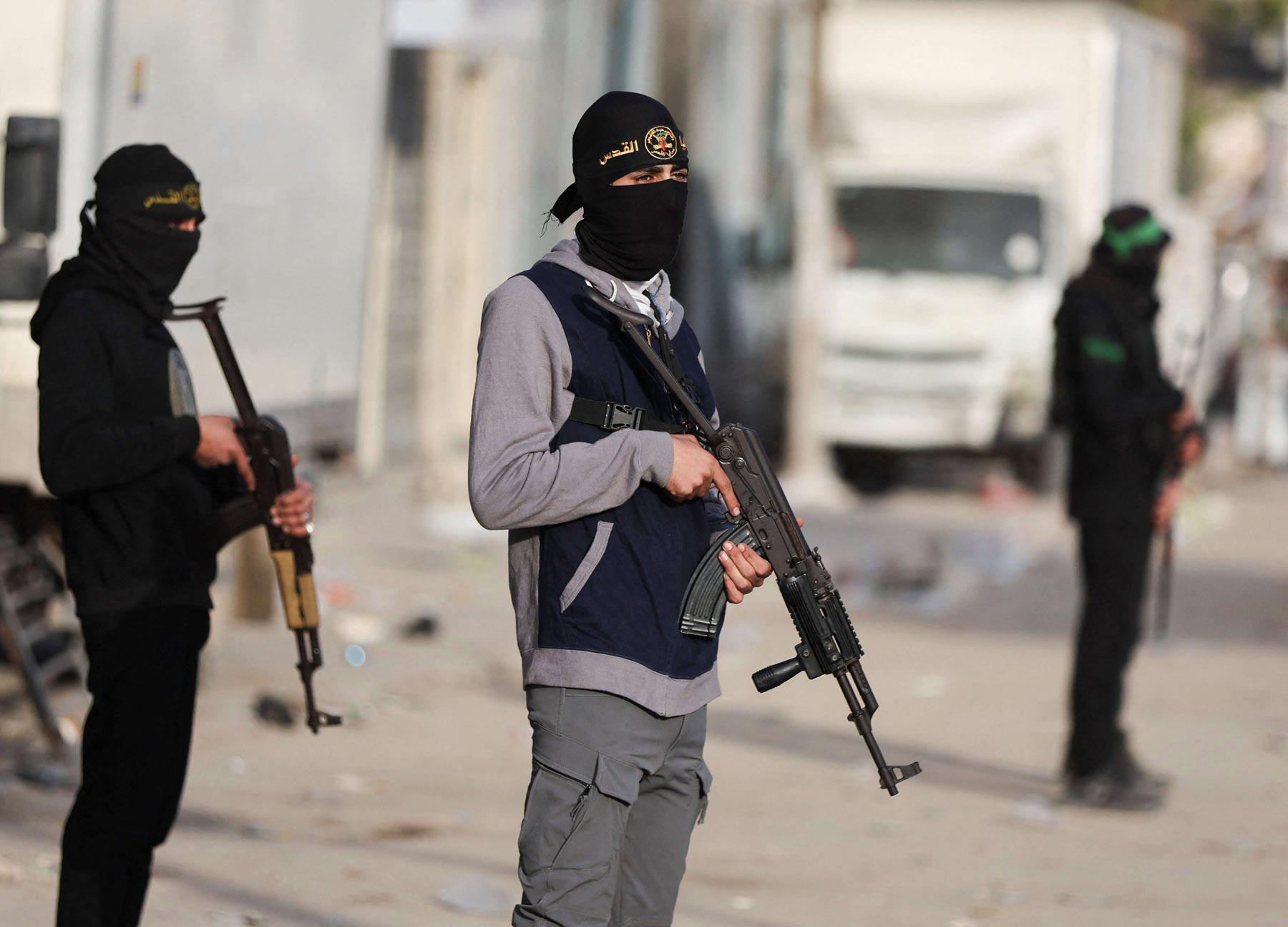
WASHINGTON – The United States says it is seeing “promising signs” that Hamas may move towards disarmament, in what officials describe as a crucial but unresolved element of the post-war Gaza framework, as tensions persist over the implementation of the fragile ceasefire agreement.
US Secretary of State Marco Rubio said in comments to Fox News that discussions on the issue had shown “some promising signs over the weekend” and suggested progress was being made towards an understanding on the demilitarisation of the Palestinian group.
“I know that our partners in Egypt and Turkey have been involved in this process. There’s been some promising signs over the weekend that we’re getting closer to an agreement with regards to them demilitarizing,” Rubio said.
“But that has to happen. The entirety of this project only works if Hamas is demilitarized. Until that happens, all of it is in question,” he added.
Rubio stressed that the broader US-backed plan for Gaza is contingent on removing armed capabilities outside any formal state or security structure, arguing that this is essential to prevent renewed instability and to sustain any long-term ceasefire.
“The outcome we want is for Hamas to be demilitarized and a Palestinian security force backed by an international security force is able to secure Gaza,” he said, while declining to speculate on potential future military action by Israel if Hamas refuses to disarm.
The comments underscore Washington’s central position in shaping the post-war roadmap for Gaza, which envisions a phased process beginning with a ceasefire and hostage releases, followed by humanitarian access, reconstruction efforts, and the establishment of a transitional civilian administration supported by international partners.
At the core of the dispute remains the sequencing of disarmament. The US and its partners argue that weapons held by Hamas represent a structural obstacle to any durable settlement. Hamas, however, maintains that discussions on its arsenal cannot be separated from broader political and military conditions on the ground.
Hamas spokesperson Hazem Qassem said that prioritising disarmament while bypassing other elements of the ceasefire agreement “contradicts” the framework supported by US President Donald Trump, warning that it risks complicating negotiations on subsequent phases.
He called for full implementation of initial commitments before moving to wider discussions on governance and security arrangements.
The debate follows a series of talks held in Cairo involving senior Hamas figures, Egyptian officials, and international representatives, including US advisers and members of a Gaza-related oversight mechanism.
Under the agreed framework, phase one of the deal includes a ceasefire, partial Israeli withdrawal, the release of remaining Israeli captives, and increased humanitarian aid deliveries. Hamas says it has complied with the release terms but accuses Israel of failing to meet its own obligations and continuing military operations that have caused hundreds of Palestinian casualties since the truce began.
Phase two of the plan envisions a broader Israeli withdrawal, large-scale reconstruction, and the start of discussions on disarmament and long-term security arrangements.
Despite the ceasefire, the situation on the ground remains fragile, with repeated reports of violations and continued fatalities, underscoring the instability of the current arrangement and the difficulty of transitioning from active conflict to a sustained political settlement.
The US proposal also includes the creation of a Palestinian security force supported by an international mission, intended to gradually assume internal security responsibilities in Gaza. However, the concept remains politically sensitive and has drawn reservations from Palestinian factions and regional actors.
Against this backdrop, Washington’s latest remarks suggest cautious optimism on one of the most contentious issues in the Gaza file, while also acknowledging that the broader framework remains dependent on resolving deep political and security disagreements.
As negotiations continue, the question of Hamas’s weapons is increasingly emerging as the central test for whether the Gaza ceasefire can evolve into a lasting post-war order or remain a fragile and reversible pause in fighting.