



Olabi: Israeli forces are seeking to provoke the Syrian population
UN and Syria accuse Israel of destabilising south as tensions mount
Israeli forces have detained at least 250 people, including children, in southern Syria since late 2024, raising concerns about arbitrary detention and enforced disappearance.
Wednesday 29/04/2026
Olabi: Israeli forces are seeking to provoke the Syrian population
NEW YORK/GENEVA – The United Nations and Syria’s envoy to the UN have sharply criticised Israel’s actions in southern Syria, warning that detentions, military operations and settlement expansion are fuelling instability at a sensitive moment for the region.
UN human rights officials said Israeli forces have detained at least 250 people, including children, in southern Syria since late 2024, raising concerns about arbitrary detention and enforced disappearance.
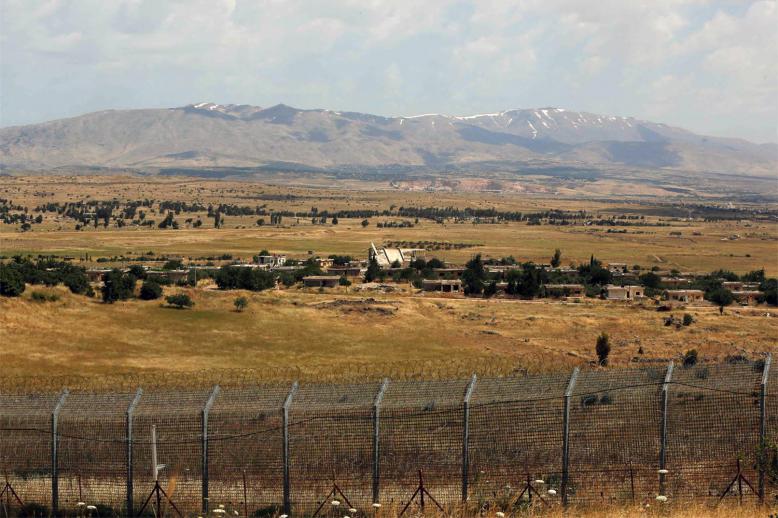
UN spokesperson Thameen al-Kheetan told reporters that expanding Israeli operations were placing civilians at risk and severely disrupting daily life. Reports indicate a pattern of house raids, checkpoints, interrogations and restrictions on movement, particularly in Quneitra province, alongside damage to agricultural land and limits on farmers’ access.
The UN also highlighted plans approved by the Israeli government to expand settlements in the occupied Syrian Golan, describing them as a violation of international humanitarian law.
UN High Commissioner for Human Rights Volker Turk has called for an immediate end to alleged violations and for independent investigations into the conduct of Israeli forces.
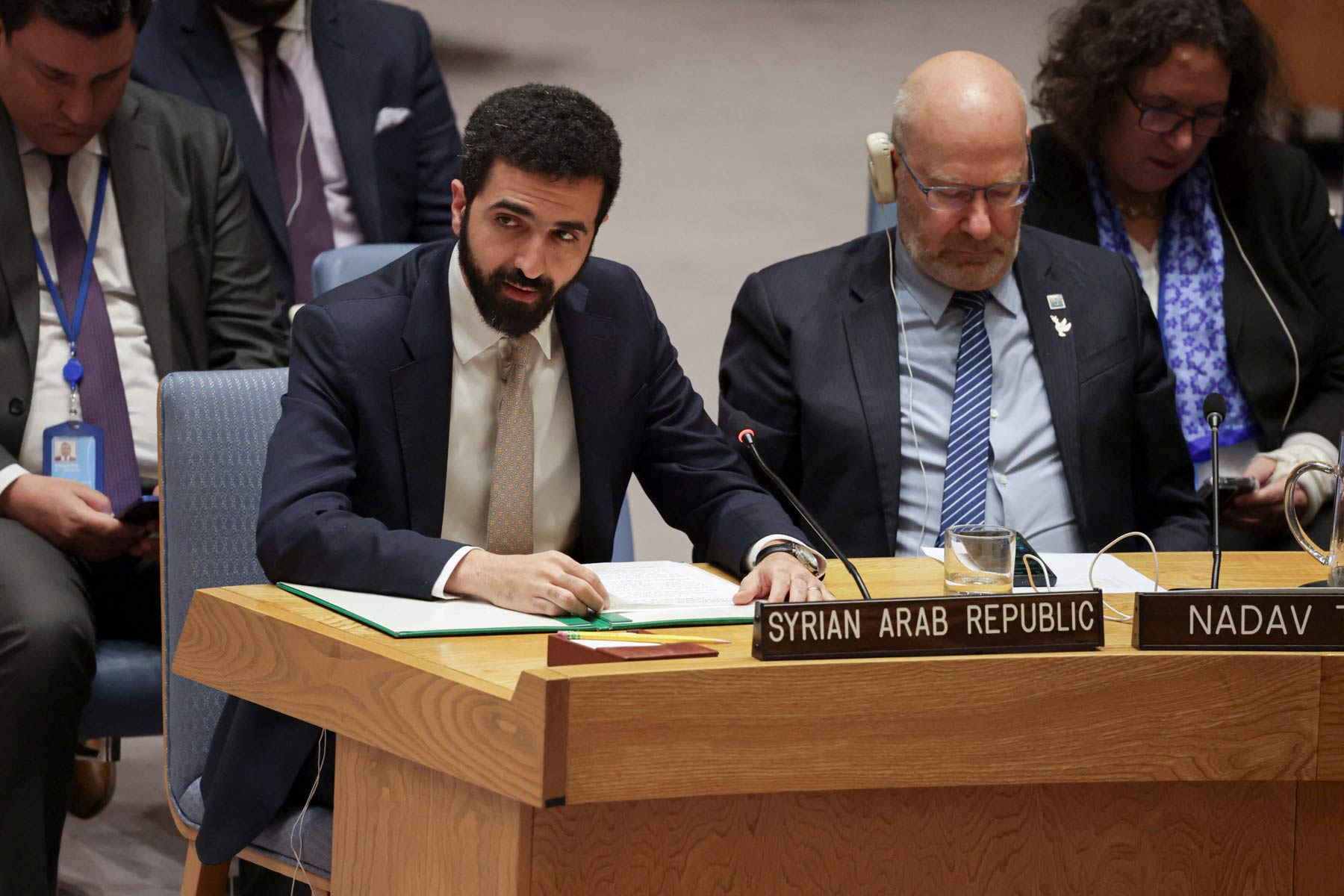
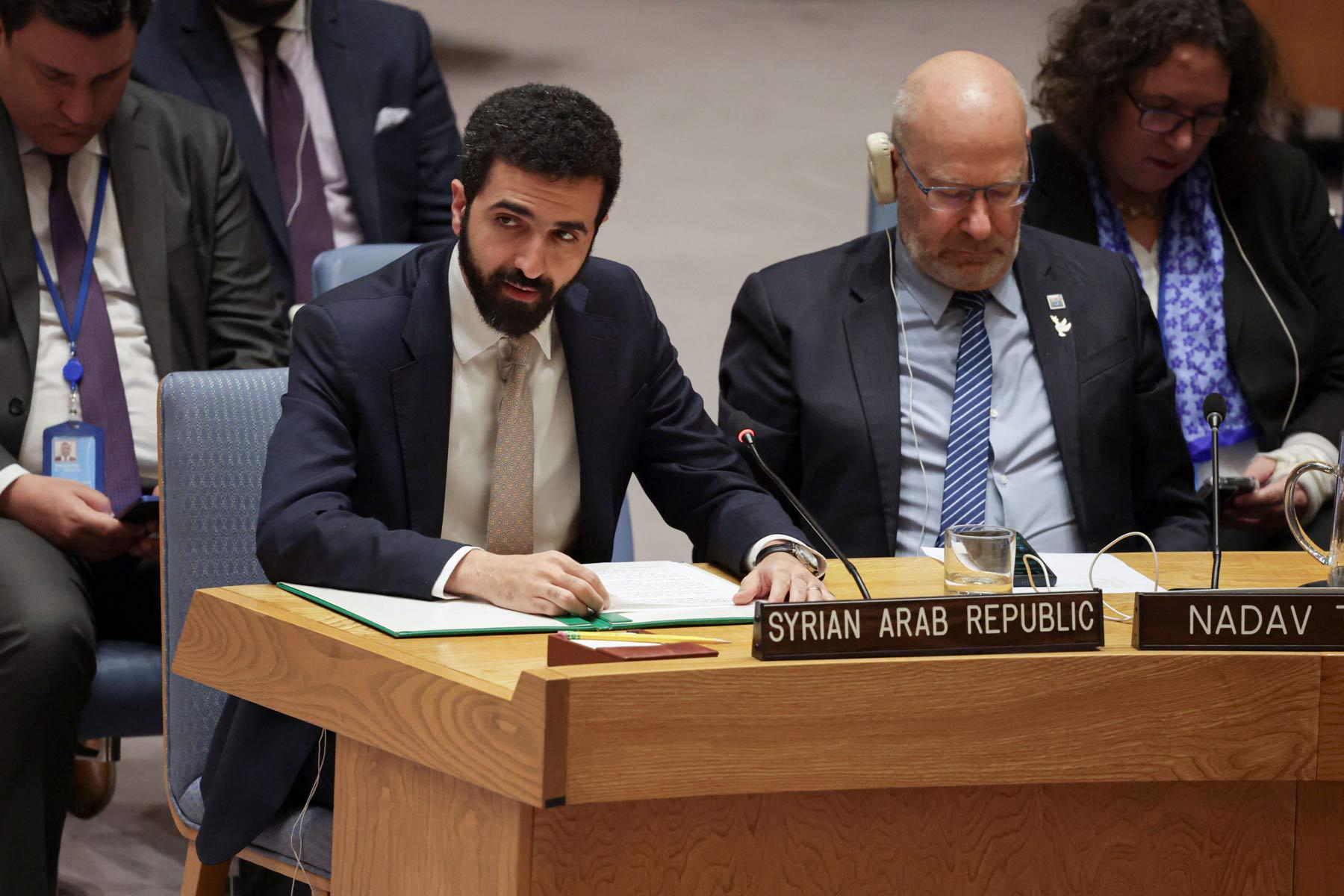
At the same time, Syria’s UN envoy Ibrahim Olabi accused Israel of deliberately undermining stability, telling the Security Council that Damascus’s efforts to restore order were being “undermined only by the Israeli occupation and its criminal practices in southern Syria.”
He said Israeli forces were seeking to provoke the Syrian population, warning that such actions risk escalating tensions despite broader regional efforts to stabilise the situation.
Olabi acknowledged that conditions in the Middle East had shown some improvement in recent weeks but cautioned that the situation remained fragile and could deteriorate again without a lasting settlement.
He also praised international mediation efforts, including those led by regional powers and the United States, and welcomed steps to maintain ceasefires elsewhere, particularly in Lebanon.
Beyond Syria, Olabi warned of escalating Israeli measures in the occupied West Bank and called for an end to unilateral actions that undermine the prospects of a two-state solution.
The developments highlight the increasingly complex security landscape facing Syria’s post-Assad transition, where local recovery efforts intersect with unresolved regional conflicts and competing geopolitical interests.
For the UN, the priority remains clear: protecting civilians and ensuring accountability. For Syria, officials argue, the challenge is preventing renewed instability at a time when the country is attempting to rebuild after years of war.