

From quiet streets to crowded cafés
Egypt lifts early closures, bringing Cairo’s nights back to life
The return of late-night activity marks a tentative recovery for a city whose identity is closely tied to its after-dark life, even as broader economic challenges persist.
Wednesday 29/04/2026
From quiet streets to crowded cafés
CAIRO – The pulse of Cairo’s famed nightlife roared back on Tuesday after authorities rolled back energy-saving restrictions that had forced businesses to shut early, reviving the rhythms of a city long defined by its late hours.
The government had earlier imposed temporary curbs to reduce electricity consumption amid a regional energy shock linked to the ongoing Middle East conflict, requiring shops, cafés and restaurants to close as early as 9 p.m. on weekdays and 10 p.m. at weekends.
But in a reversal announced on Sunday, officials eased the measures, allowing cafés and restaurants to stay open until 1 a.m., while shops can now operate until 11 p.m. on weekdays and midnight at weekends.
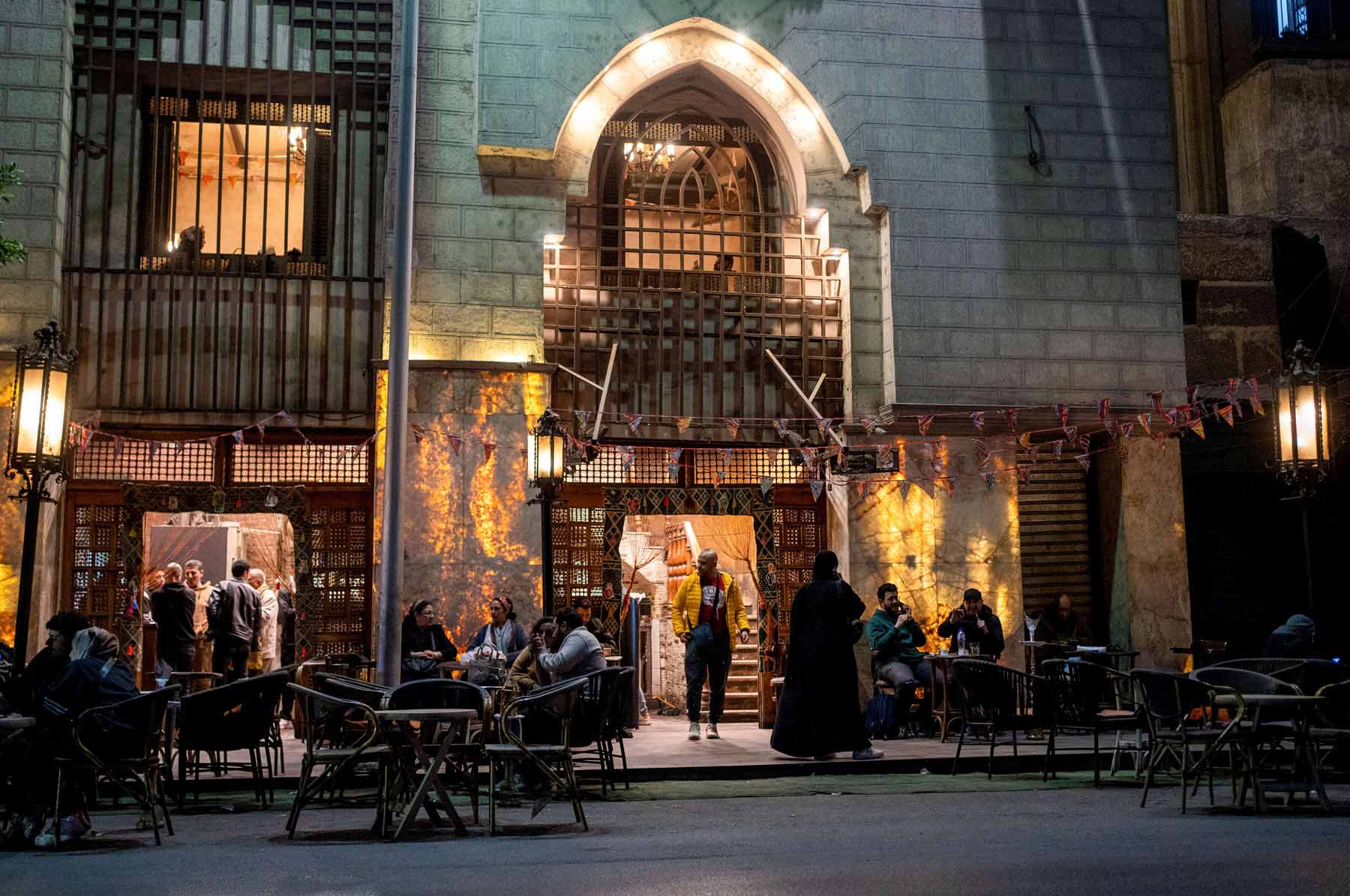
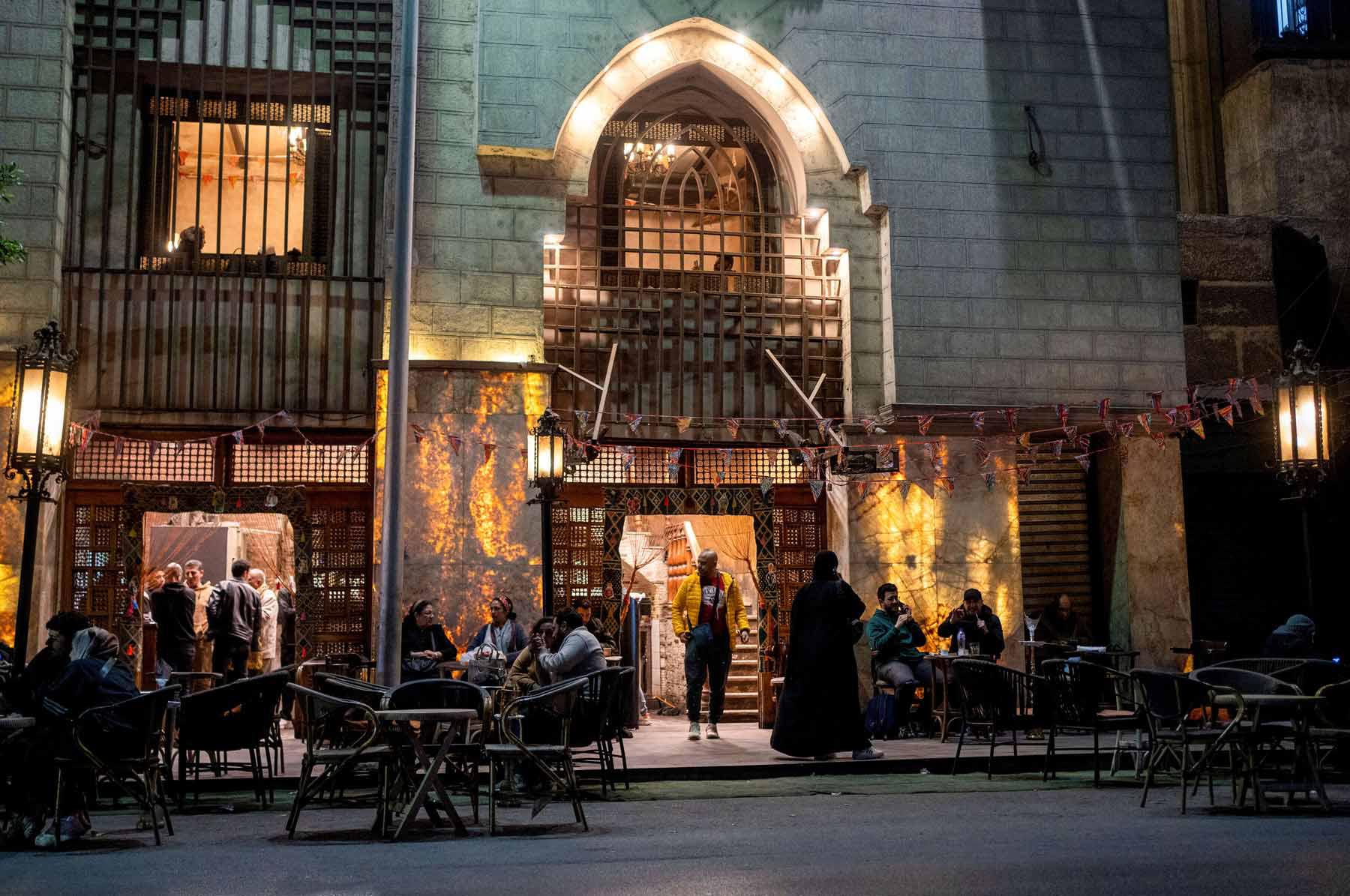
By Tuesday evening, the impact was already visible in Heliopolis, a historic district in eastern Cairo known for its café culture and early 20th-century architecture. At an hour that had recently marked closing time, tables were once again crowded, buildings lit up and families filled the streets as friends gathered over coffee and shisha.
For many residents, the shift signalled more than a simple extension of business hours.
“People were depressed,” said Ahmed Megahed, an 82-year-old retiree, describing how weeks of early closures compounded the strain of rising prices and daily pressures. “Now people can go out again and feel normal.”
Others echoed the sentiment, saying the restrictions had disrupted the city’s identity. Osama El-Sayed, a government employee, said the return of late nights restored a sense of belonging. “It felt like being in a different place. Now it feels like home again,” he said.
The measures, introduced in late March, had transformed daily life in a metropolis of more than 20 million people, where evenings typically stretch deep into the night. Streets that once bustled with activity fell quiet, cinemas went dark and businesses rushed to close before police patrols enforcing the rules, with fines reaching 50,000 Egyptian pounds and repeat violations risking jail.
Shop owner Wafaa Ahmed said the curbs had taken a heavy toll on livelihoods. “It was a disaster for everyone,” she said, adding that her revenues had dropped by around 80 percent during the restrictions.
The easing comes as Egypt grapples with mounting economic pressure triggered by the regional conflict, which has driven up energy costs and strained public finances. Prime Minister Mostafa Madbouly said the country’s monthly energy import bill more than doubled between January and March to around $2.5 billion.
At the same time, the Egyptian pound has lost roughly 15 percent of its value since the conflict began, while inflation climbed to about 13.6 percent in March, adding to the burden on households.
The government has sought to mitigate the crisis by promoting energy conservation and encouraging a shift towards renewable sources, including solar power, while running public campaigns urging consumers to reduce electricity use.
Despite those efforts, economists warn that prolonged restrictions risk undermining sectors central to Cairo’s economy, including retail, hospitality and tourism.
For business owners like Ahmed, the decision to ease curbs could prove critical, particularly as the summer season approaches. With daytime heat discouraging shoppers, evening trade is vital.
“In the morning, no one goes out in this weather,” she said. “Now customers have time again.”
The return of late-night activity marks a tentative recovery for a city whose identity is closely tied to its after-dark life, even as broader economic challenges persist.