

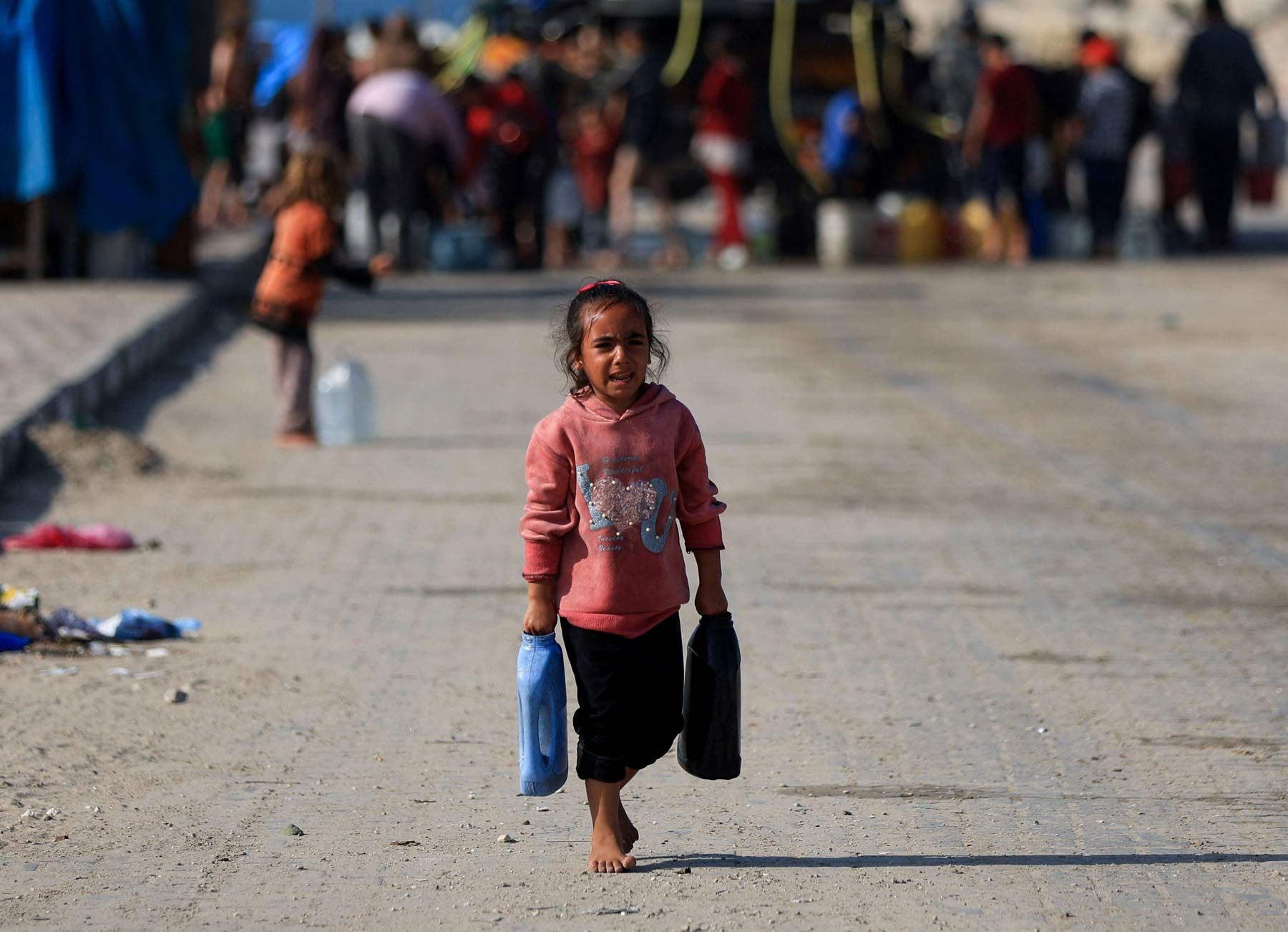
Without water … life ends
Israel restricts water access in Gaza in ‘collective punishment’
The “engineered scarcity” is occurring in parallel with widespread displacement and the near-total breakdown of essential services.
Wednesday 29/04/2026
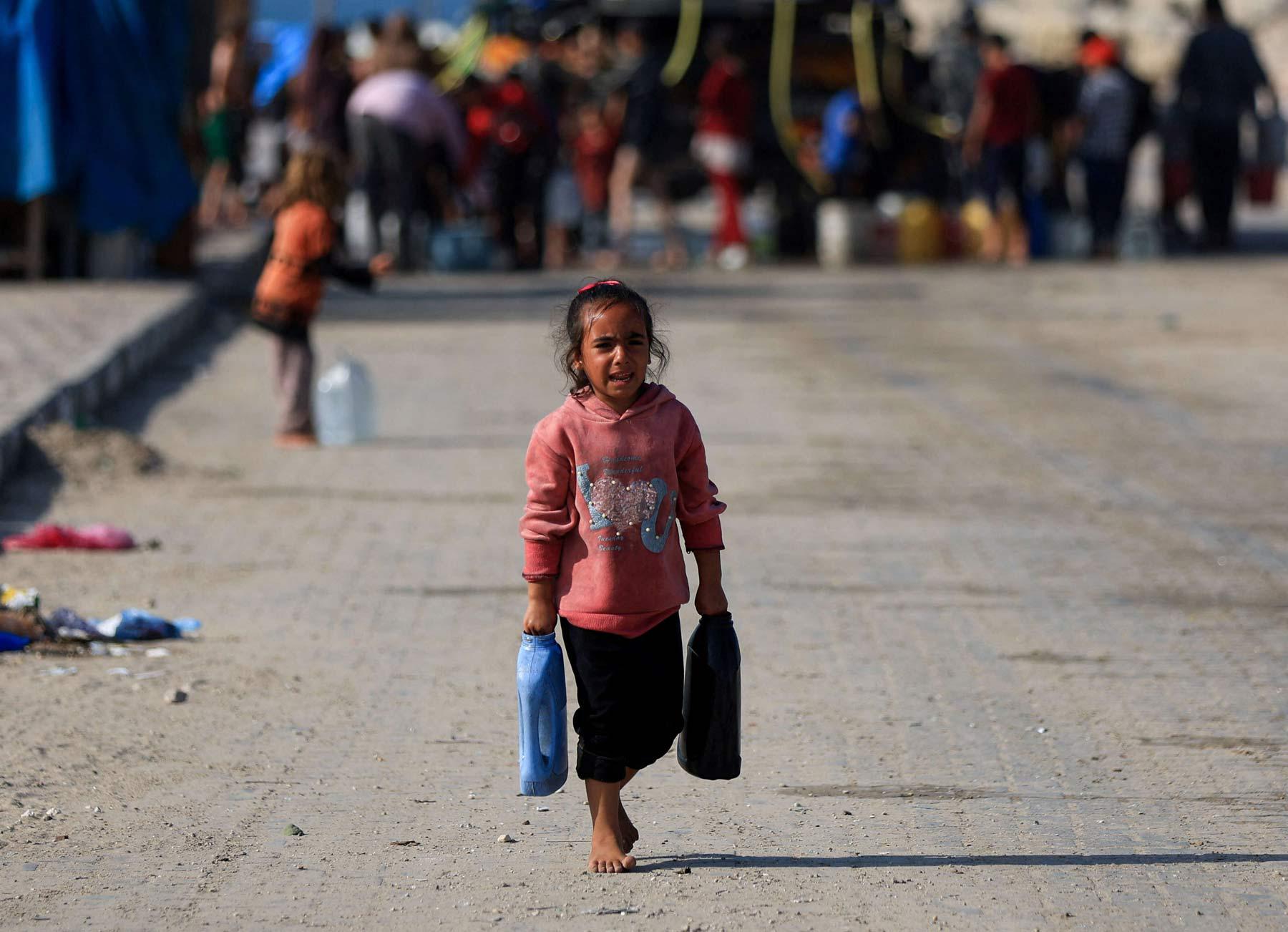
Without water … life ends
GAZA CITY/JERUSALEM – Israeli authorities are deliberately restricting access to water in Gaza, using it as a tool of collective punishment against Palestinians despite the ceasefire in place since October, according to a sharply worded report by Médecins Sans Frontières (MSF).
In its report titled “Water as a Weapon: Israel’s Destruction and Deprivation of Water and Sanitation in Gaza”, the medical charity accuses Israel of systematically undermining the territory’s already devastated water network through destruction, obstruction and restrictions on humanitarian supplies.
MSF says the scale of damage to civilian infrastructure, combined with continued limits on essential imports, forms what it describes as a “recurring, systematic and cumulative pattern” of deprivation. The organisation argues that water shortages are unfolding alongside civilian deaths, the destruction of homes, and the collapse of health facilities, creating what it calls inhumane living conditions for Gaza’s population.
“Israeli authorities know that without water life ends, yet they have deliberately and systematically obliterated water infrastructure in Gaza, whilst consistently blocking water-related supplies from entering,” said Claire San Filippo, MSF’s emergency manager.
The report warns that what it terms “engineered scarcity” is occurring in parallel with widespread displacement and the near-total breakdown of essential services. It adds that Palestinians have been killed or injured while attempting to access water supplies in multiple documented incidents.
According to MSF, nearly 90 per cent of Gaza’s water and sanitation infrastructure has been destroyed or damaged since the escalation of the conflict in October 2023. This includes desalination plants, wells, pipelines and sewage systems.
UN, EU and World Bank assessments cited in the report support the scale of destruction, describing the collapse of the territory’s water network as near-complete. MSF says repeated incidents have been recorded in which water trucks and boreholes were struck or rendered unusable, including during distribution efforts.
“Palestinians have been injured and killed simply trying to access water,” San Filippo said. “This deprivation, combined with dire living conditions, extreme overcrowding, and a collapsed health system, creates a perfect storm for the spread of diseases.”
The organisation, which describes itself as one of the largest providers of drinking water in Gaza alongside local authorities, said it distributed more than 5.3 million litres of water per day last month, reaching over 400,000 people. However, it warned that even these efforts are increasingly insufficient due to restrictions, insecurity and damage to infrastructure.
MSF also said that around a third of its requests to bring in essential water and sanitation supplies, including desalination units, pumps, chlorine, and fuel, were either rejected or left unanswered. In some cases, approved materials were later blocked at border crossings.
The humanitarian consequences, the organisation said, extend beyond thirst. Limited access to clean water, sanitation and hygiene is contributing to rising levels of disease, including gastrointestinal infections, skin conditions and respiratory illnesses. MSF reported that nearly a quarter of people surveyed experienced gastrointestinal illness within a month during 2025.
The group is calling for the immediate restoration of adequate water supplies to Gaza and urging Israel’s allies to exert pressure to ensure unhindered humanitarian access.
The accusations come despite the ceasefire agreement reached in October, which was intended to halt the war that erupted following the 2023 Hamas attack on Israel. While large-scale fighting has decreased, MSF and other organisations say the situation on the ground remains unstable, with continued restrictions, sporadic violence and humanitarian shortfalls.
The Gaza health ministry said on Tuesday that one Palestinian had been killed in the past 24 hours, bringing the reported death toll since October 2023 to 72,594.
MSF argues that the cumulative impact of infrastructure destruction and access restrictions is rendering basic survival increasingly impossible for civilians, particularly in overcrowded displacement camps where sanitation systems have collapsed and makeshift facilities are widespread.
“We need water,” said Ali, a displaced Palestinian living in a camp in Deir al-Balah. “It does not make sense. It’s like we are asking the world for the essentials of life.”
For MSF, the water crisis is not an isolated humanitarian issue but part of a broader breakdown in living conditions across Gaza. The organisation warns that without a significant shift in access to essential resources, disease outbreaks and further humanitarian deterioration are likely to accelerate.