


A national effort to reduce vulnerability to external shocks
UAE launches major strategy to shield supply chains
The programme is designed to secure the country’s access to critical goods by diversifying import sources, expanding domestic manufacturing and agricultural production.
Wednesday 29/04/2026
A national effort to reduce vulnerability to external shocks
DUBAI – The UAE has launched a sweeping national strategy aimed at protecting essential supplies of food, medicine and industrial goods as global supply chains come under renewed pressure from geopolitical instability and trade disruptions linked to the Iran conflict and the effective closure of the Strait of Hormuz.
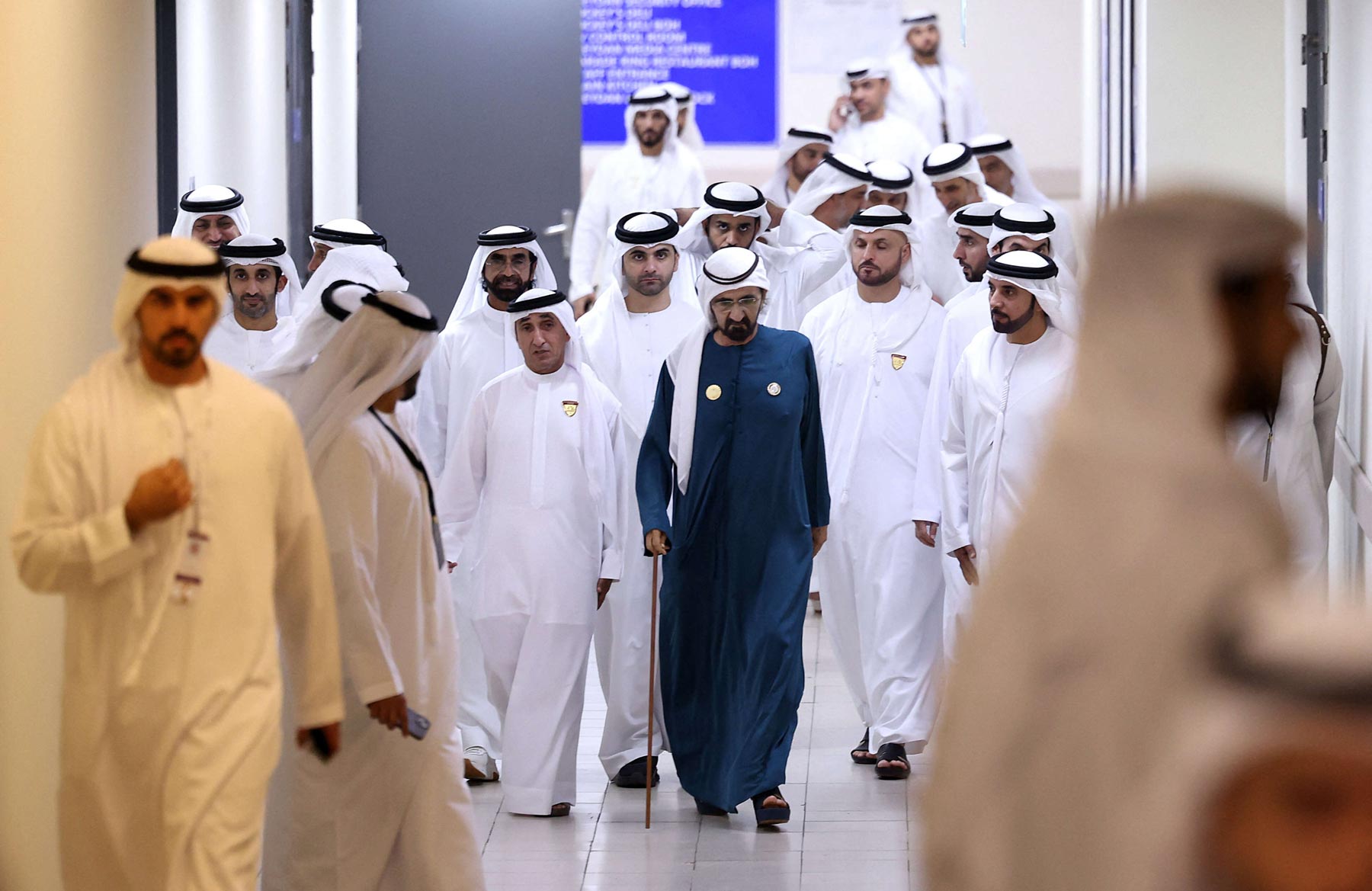
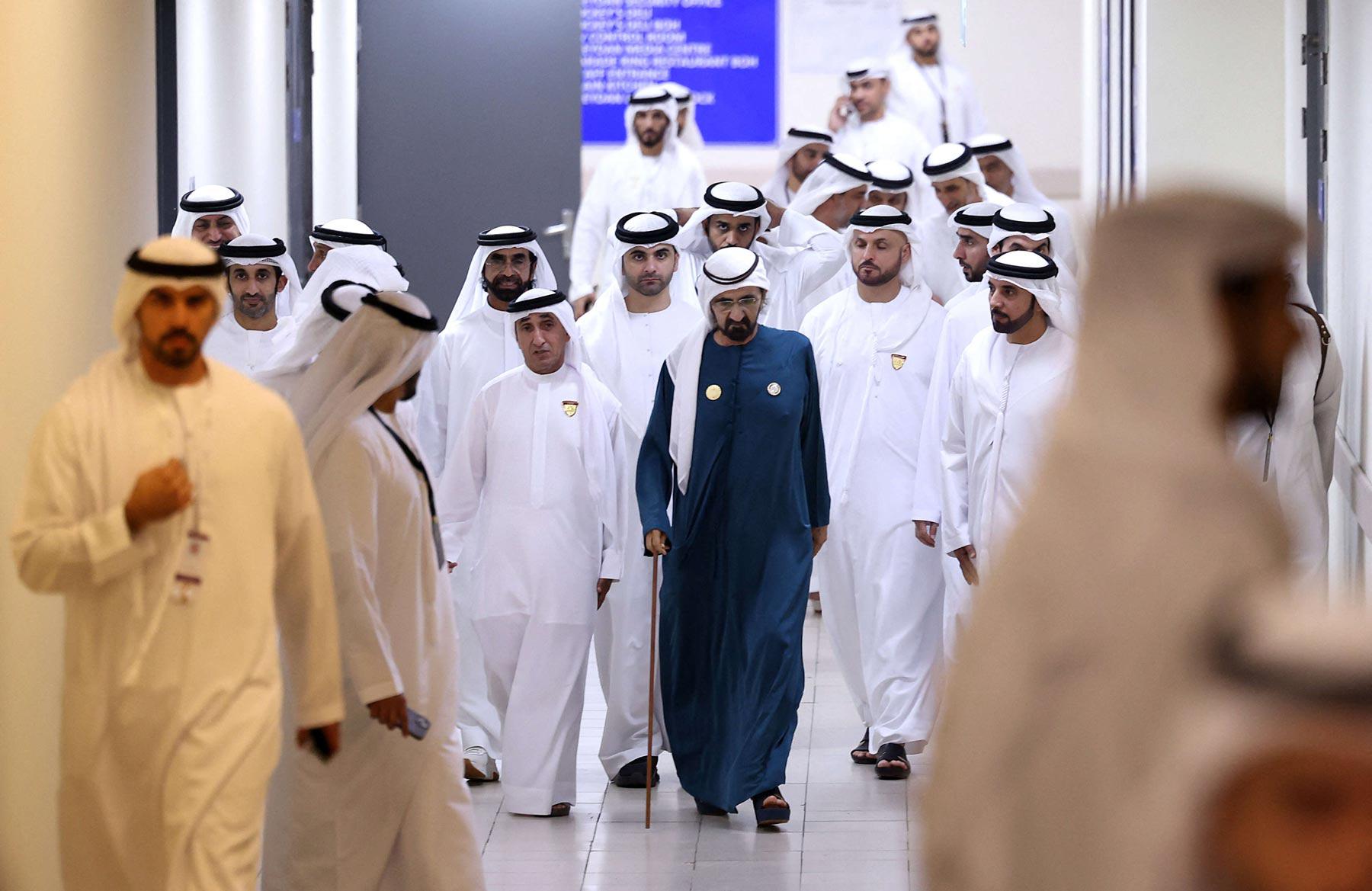
Vice President, Prime Minister and Ruler of Dubai Sheikh Mohammed bin Rashid Al Maktoum approved the National Programme to Strengthen Supply Chain Resilience in the UAE, describing it as a key pillar in reinforcing economic security and ensuring sustainable long-term growth.
The programme is designed to secure the country’s access to critical goods by diversifying import sources, expanding domestic manufacturing and agricultural production, and strengthening partnerships with the private sector and international suppliers.
According to the UAE Government Media Office, the initiative aims to build a comprehensive national framework that guarantees “sustainable access to vital commodities” while enhancing preparedness for regional and global shocks.
It will focus on identifying priority goods essential to the UAE economy and population, assessing their exposure to import risks, and mapping strategic supply markets. Authorities will also develop partnerships to ensure continuity of supply and resilience in logistics networks.
The programme further seeks to expand domestic production capacity in both agriculture and industry, while evaluating investment opportunities that support long-term supply chain stability. It also aims to create international partnerships with entities capable of “large scale production and delivery,” according to the official statement.
In addition, the initiative will examine multiple supply scenarios, assess the feasibility of producing key goods within the UAE, and broaden investment cooperation with partner countries involved in global production chains.
Officials said the strategy will also support efforts to mitigate risks facing global supply systems by developing a coordinated national model that ensures access to essential commodities under all conditions.
The launch comes at a time when global shipping and energy routes have been heavily disrupted by the ongoing Iran war and restrictions affecting the Strait of Hormuz, a critical artery for international trade.
Despite these pressures, UAE authorities have reiterated that the country maintains strong reserves of essential goods. The Ministry of Economy and Tourism previously said the UAE holds a strategic stockpile capable of covering market demand for up to six months.
Minister of Economy and Tourism Abdulla bin Touq recently sought to reassure consumers during a visit to a major Carrefour distribution centre, stressing efforts to maintain “abundant availability” of food supplies and monitor national stock levels closely.
Retailers across the UAE have also stepped up measures to stabilise supply chains, limit price volatility and secure alternative logistics routes. Supermarket operator Spinneys, for example, has tested new supply corridors from the UK, reportedly reducing transit times by several days.
At the same time, the government has intensified its push to strengthen domestic food production. Minister of Climate Change and Environment Amna Al Dahak said the UAE is “not waiting for a crisis to happen,” but instead accelerating long-term investment in local agriculture.
Speaking at the Emirates Agriculture Conference and Exhibition in Al Ain, she said the current global instability had highlighted the importance of home-grown production and increased public confidence in locally sourced goods.
“We have seen evidence during the past six weeks that local produce has had a very strong presence in the local market, and we have seen more trust in local produce from all consumer segments in the UAE,” she said.
The UAE has also expanded international partnerships to secure supply chains while investing in agricultural innovation and productivity to strengthen both domestic supply and export capacity.
Together, officials say, these measures form part of a broader national effort to reduce vulnerability to external shocks and ensure the uninterrupted flow of essential goods in an increasingly unstable global environment.