



Widely regarded as one of Tunisia’s most influential musicians
Tunisian music icon takes legal action over online smear campaign
Some posts accused the 72-year-old artist of “betrayal” and even of contributing to “demographic change,” language that lawyers say amounts to defamation and incitement.
Wednesday 29/04/2026
Widely regarded as one of Tunisia’s most influential musicians
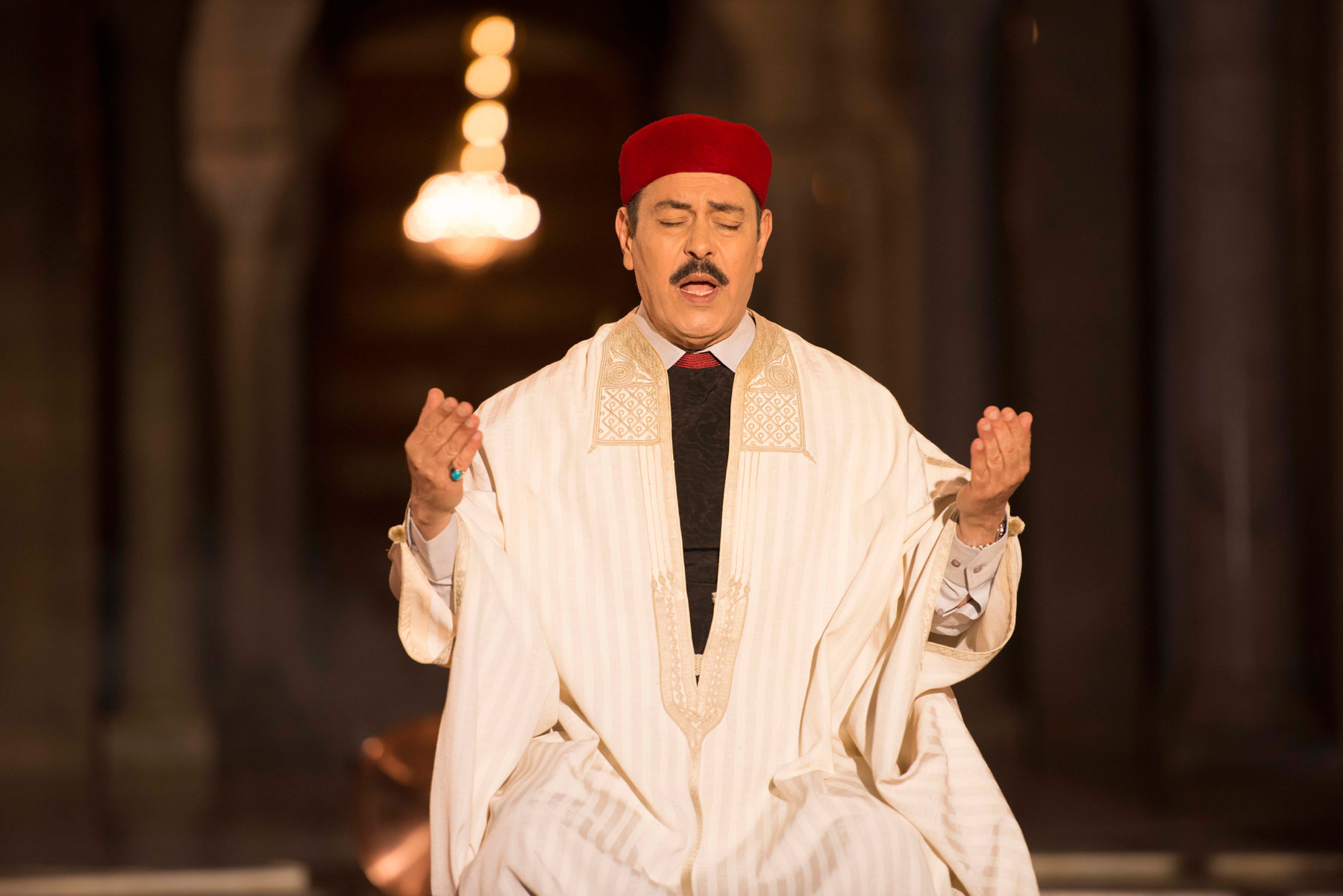
TUNIS – Renowned Tunisian singer and composer Lotfi Bouchnak has filed a legal complaint against “any party that may be identified by investigation”, following what his legal team describes as a coordinated online campaign of defamation and “manipulation of public perception” that has spread widely across social media in recent days.
According to his lawyer Ahmed Ben Hassana, speaking on Tuesday, the complaint is being filed in coordination with the Tunisian Syndicate of Musical Professions and related associations. The aim, he said, is to confront what he called “a systematic operation to distort facts and damage the image of the artist”.
The controversy stems from the resurfacing of an old music video originally produced in 2021 under the title “Shukran Tunis” (Thank you Tunisia). The work was created for World Refugee Day at the request of the Arab Institute for Human Rights, with Bouchnak’s voluntary participation in cooperation with the UN Refugee Agency (UNHCR).
At the time of its release, the project focused on highlighting Tunisia’s tradition of solidarity with refugees from conflict zones including Syria, Libya and Palestine, particularly during earlier regional crises. However, the video has now been widely reshared out of context, heavily edited in some versions and, in certain cases, reportedly modified using artificial intelligence tools.
These altered versions appear to suggest that Bouchnak was endorsing irregular migration and the controversial idea of migrant “settlement” in Tunisia, a subject that has become deeply polarising in the country in recent years. The manipulated clips have circulated across Facebook, TikTok and other platforms, triggering a wave of hostile commentary and personal attacks.
Full support for the artist
Some posts accused the 72-year-old artist of “betrayal” and even of contributing to “demographic change,” language that lawyers say amounts to defamation and incitement. Other content also targeted human rights organisations, including the Tunisian League for Human Rights and the Arab Institute for Human Rights, which were involved in the original 2021 initiative.
His lawyer stressed that the song “has absolutely no link to current political debates or migration issues,” describing it as a purely humanitarian artistic work. He added that several circulating versions of the video had been deliberately altered to create a false narrative and mislead the public.
For the first time, Bouchnak himself is pursuing legal proceedings to defend his reputation, according to his counsel.
The Tunisian Syndicate of Musicians and the Arab Institute for Human Rights have both expressed full support for the artist, condemning the campaign as an attack on artistic freedom and personal dignity. There has been no immediate official comment from Tunisian judicial authorities.
The case comes amid growing concern in Tunisia over the rise of fabricated content and organised online campaigns targeting public figures, particularly artists and cultural personalities.
Lotfi Bouchnak, widely regarded as one of Tunisia’s most influential musicians, has enjoyed a decades-long career spanning traditional and contemporary Arabic music and remains one of the country’s most recognisable cultural figures.
Migration tensions and the ‘resettlement’ debate in Tunisia
The incident unfolds against a highly sensitive political and social backdrop in Tunisia, where the issue of migration, particularly irregular arrivals from sub-Saharan Africa, has fuelled heated public debate.
The term “resettlement” in Tunisian discourse is often used to refer to allegations of an international plan to permanently settle migrants in the country rather than treating Tunisia as a transit route to Europe. These claims are firmly denied by official institutions but continue to circulate widely online.
President Kais Saied intensified the debate in February 2023, warning of what he described as a “conspiracy” aimed at altering Tunisia’s demographic composition, a statement that triggered domestic and international controversy.
Since then, Tunisia has repeatedly reaffirmed that it does not accept being a country of permanent settlement for migrants. At the same time, public frustration has grown amid economic pressure, unemployment and social tensions, with protests reported in several cities in 2025 and 2026 calling for stricter migration controls.
The government has also announced plans to facilitate the voluntary return of thousands of migrants, targeting up to 10,000 assisted returns by 2026, while attempting to balance humanitarian obligations with domestic political pressures.
Against this backdrop, analysts say social media has become a powerful amplifier of misinformation and polarisation, where cultural figures can quickly become targets of politically-charged narratives that blur the line between artistic work and ideological debate.
Bouchnak’s case is now being seen as a test of how Tunisia’s legal and institutional framework responds to AI-assisted manipulation, online defamation and the weaponisation of cultural content in an increasingly volatile digital space.