


Failure to achieve tangible progress could trigger a return to war
Israel sets two-week deadline for Lebanon deal, warns of renewed war
Despite the truce, hostilities have not fully ceased, with near-daily incidents underlining the fragility of the arrangement.
Wednesday 29/04/2026
Failure to achieve tangible progress could trigger a return to war
JERUSALEM/BEIRUT – Israel has set a two-week deadline to reach a substantive agreement with Lebanon in US-mediated negotiations, warning it could resume intensive military operations if talks fail, according to Israeli officials and media reports on Wednesday.
Israeli public broadcaster KAN said the government in Tel Aviv has imposed what it described as a “limited timeframe” for negotiations, giving diplomacy no more than a fortnight to produce what officials call a “real agreement” with Beirut. The current ceasefire, extended until mid-May, is now effectively tied to progress within that window.
“We cannot wait indefinitely … we will give negotiations only an additional two weeks,” an Israeli official was quoted as saying, signalling mounting impatience within the leadership.
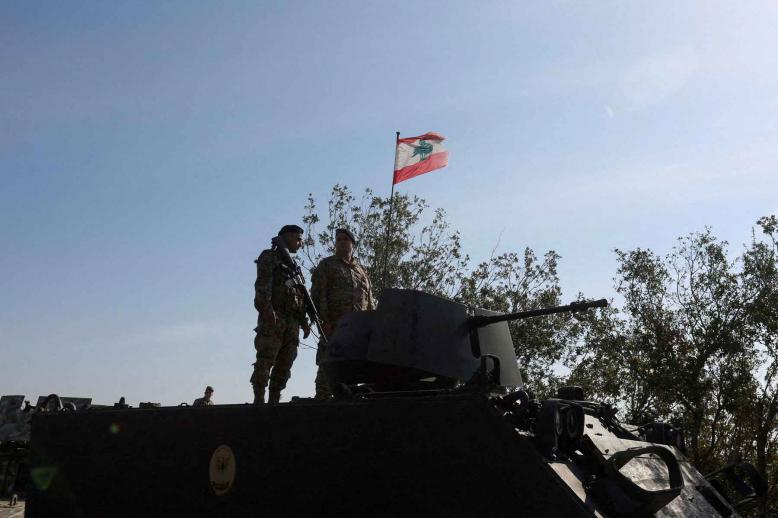
Israeli assessments suggest that failure to achieve tangible progress could trigger a return to “intensive fighting and activity” against Hezbollah, the Iran-backed armed group that has been engaged in months of cross-border hostilities with Israel.
US push for breakthrough
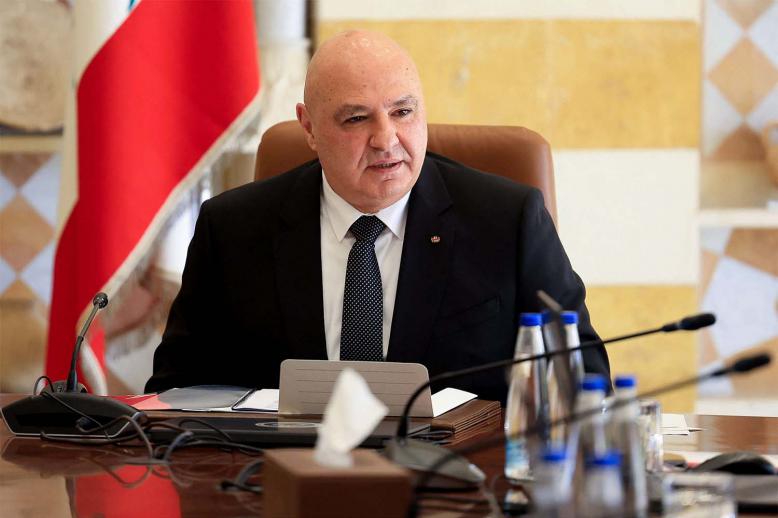
The administration of US President Donald Trump is reportedly using the narrow timeframe to push for a diplomatic breakthrough, including efforts to arrange a direct meeting between Israeli Prime Minister Benjamin Netanyahu and Lebanese President Joseph Aoun.
However, significant scepticism remains on both sides about whether such a high-level meeting is feasible under current conditions.
One Israeli official indicated that Washington’s central role in the process has also complicated matters, noting that the ultimate authority over the ceasefire’s continuation rests largely with the US president.
Trump initially announced a 10-day ceasefire between Israel and Lebanon on April 17, later extending it by three weeks in an effort to stabilise the volatile border.
Violence continues on the ground
Despite the truce, hostilities have not fully ceased, with near-daily incidents underlining the fragility of the arrangement.
On Wednesday, the Lebanese army said an Israeli strike in the southern town of Bint Jbeil killed a Lebanese soldier and his brother as they travelled by motorcycle from his post. The Israeli military said it was reviewing the report.
In a separate incident, Israel said a contractor working for an engineering firm on behalf of its defence ministry was killed in a drone attack in southern Lebanon claimed by Hezbollah.
The group also fired two rockets into northern Israel on Wednesday, according to the Israeli military, with one intercepted and no casualties reported.
A day earlier, the Lebanese army said two soldiers were wounded in an Israeli strike that targeted troops and rescuers during an operation in the village of Majdal Zoun. Lebanon’s civil defence added that three of its personnel were trapped under rubble following the attack, with rescue efforts ongoing.
The US-brokered ceasefire has led to a marked reduction in large-scale hostilities, but both sides have continued to exchange fire in southern Lebanon, where Israeli forces maintain positions in what they describe as a buffer zone.
Israel says its ongoing strikes are aimed at dismantling Hezbollah infrastructure, while Hezbollah has continued to launch rockets and drones targeting Israeli troops and northern Israeli communities.
The continued violence has cast doubt on the durability of the truce and raised fears of a broader escalation if diplomatic efforts fail.
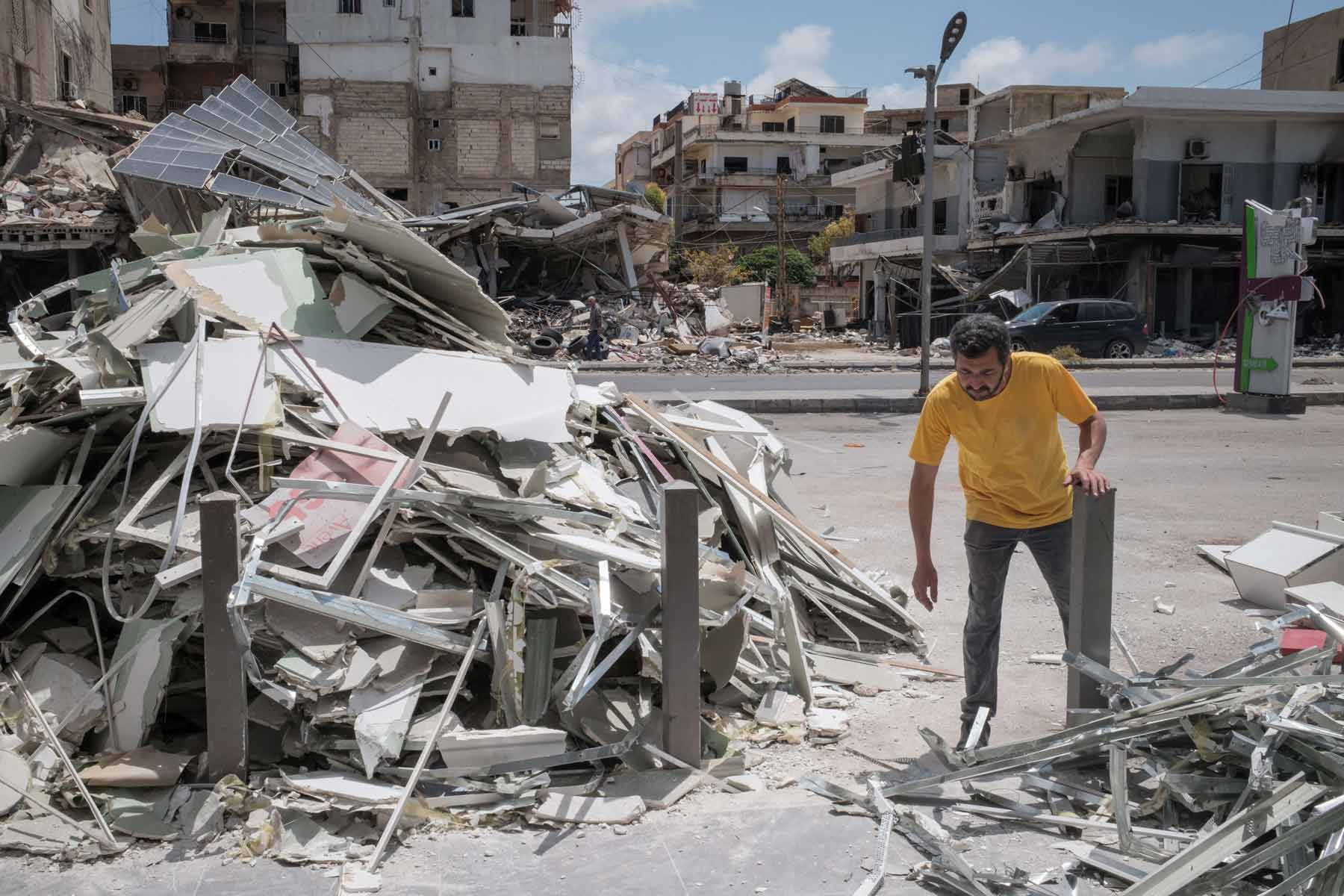
According to Lebanese official figures, Israeli attacks since early March have killed at least 2,534 people, wounded more than 7,800, and displaced over 1.6 million residents, underscoring the scale of the humanitarian toll.
With the ceasefire deadline approaching and clashes persisting, the coming two weeks are increasingly seen as a critical juncture, one that could determine whether the border moves towards a more durable settlement or slides back into full-scale conflict.