

The US embassy in Baghdad welcomed the appointment
Zaidi appointment offers hope of thaw in US-Iraq ties
Analysts say Zaidi’s nomination would not have been possible without at least tacit US approval, reflecting Baghdad’s limited room for manoeuvre.
Thursday 30/04/2026
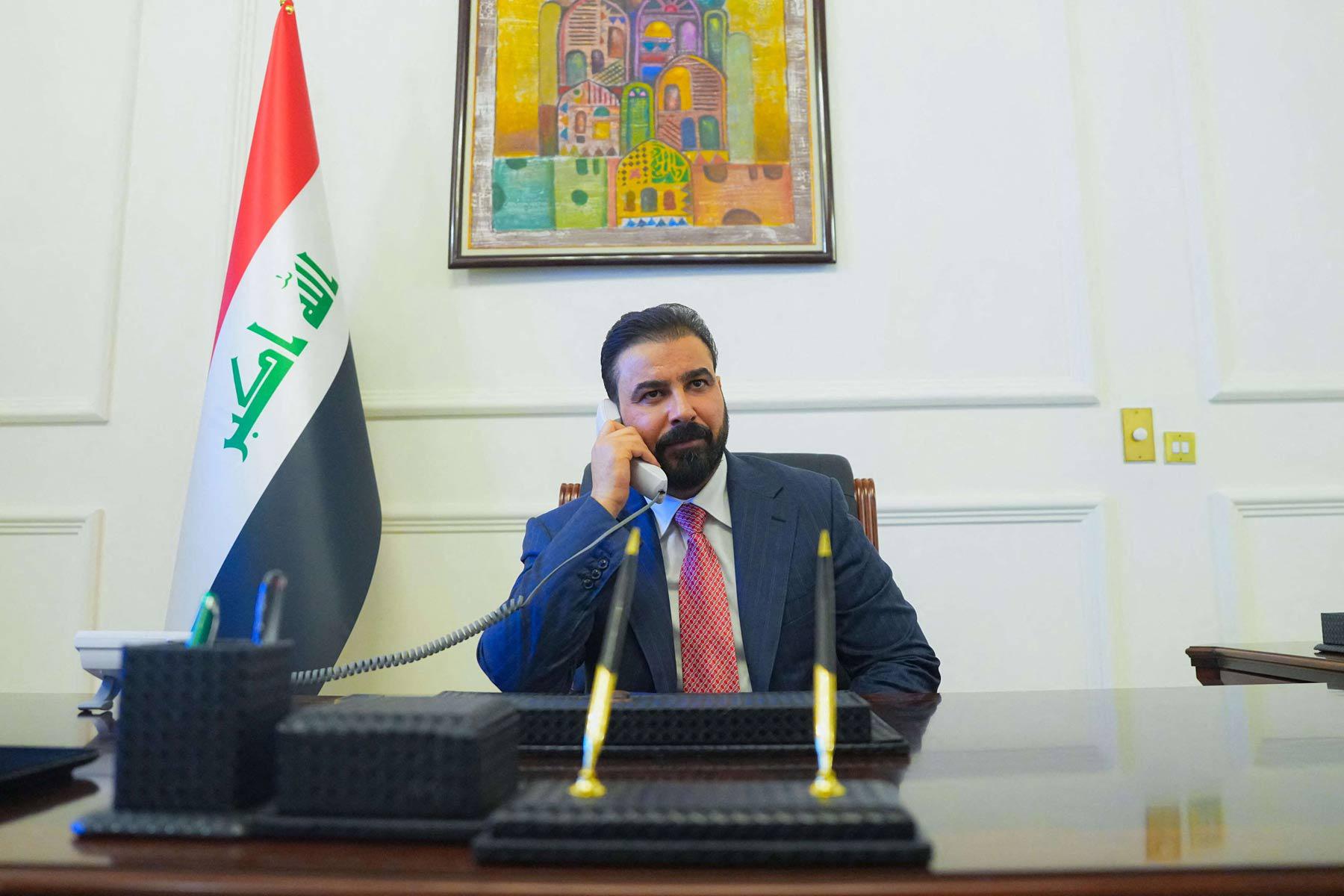
The US embassy in Baghdad welcomed the appointment
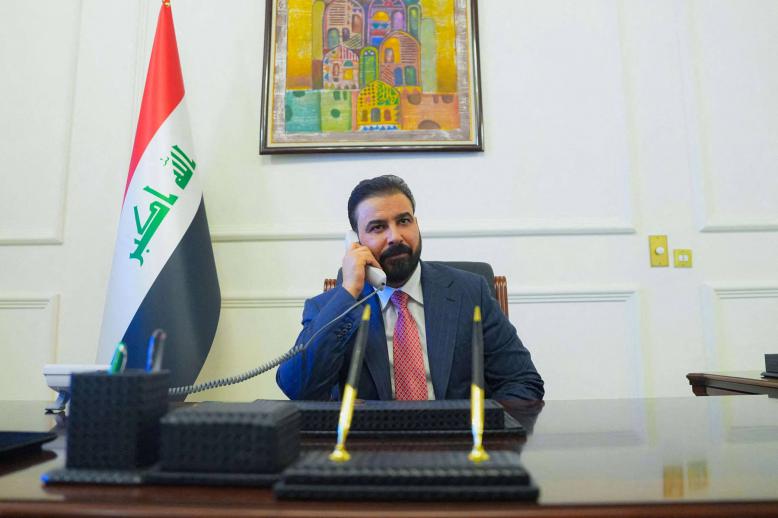
BAGHDAD – The selection of businessman and banker Ali al-Zaidi to form Iraq’s next government is being seen as a potential opening to ease strained ties between Iraq and the United States, after relations deteriorated sharply during the recent US-Israeli war with Iran.
During the conflict, Iran-aligned Iraqi militias targeted US forces and interests inside Iraq, prompting retaliatory strikes by American forces on militia positions. Washington also warned it could suspend key areas of cooperation with Baghdad, particularly in the financial and economic sphere, an implicit threat carrying significant weight given that Iraq’s oil revenues are channelled through accounts at the US Federal Reserve in New York.
At the heart of the political impasse was a dispute between the administration of Donald Trump and Iraq’s dominant Shiite political bloc, the Coordination Framework, over the nomination of former prime minister Nouri al-Maliki.
Washington has long viewed Maliki as a key guardian of Iranian influence in Iraq and a backer of Tehran-aligned militias. Trump had publicly criticised his past leadership, blaming it for fuelling poverty and instability in the country, and signalled that his return to power would be unacceptable.
Analysts say Zaidi’s nomination would not have been possible without at least tacit US approval, reflecting Baghdad’s limited room for manoeuvre when vital strategic interests are at stake. According to a political source cited by Agence France-Presse, the Coordination Framework agreed to back Zaidi only after consultations with US representatives.
Victoria J Taylor of the Atlantic Council noted that the bloc would not have nominated Zaidi unless it was convinced the United States would accept his appointment, adding that Trump’s public rejection of Maliki had been “deeply embarrassing” and something Iraqi factions were keen to avoid repeating.
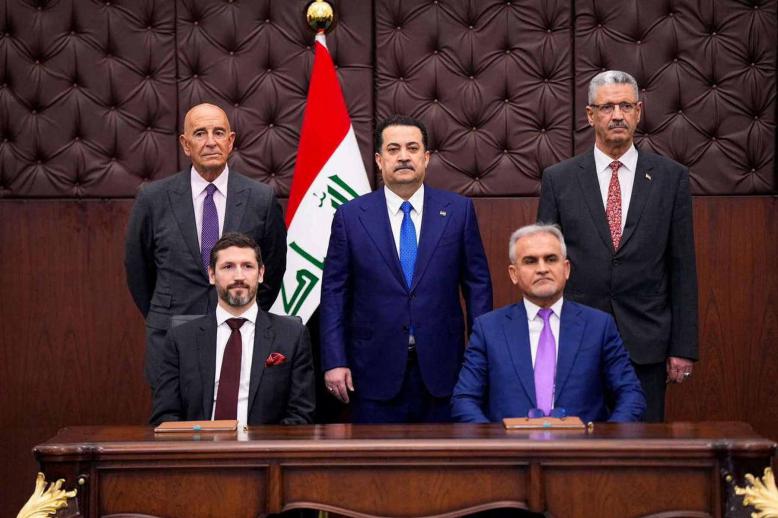
The US embassy in Baghdad welcomed the appointment, expressing “best wishes” to Zaidi in forming a government capable of meeting the aspirations of Iraqis and reaffirming Washington’s commitment to shared goals, including safeguarding Iraqi sovereignty and enhancing security.
Zaidi was formally tasked with forming a government on Monday by President Nizar Amidi, five months after parliamentary elections left the country in political deadlock. He now faces the challenge of assembling a cabinet within 30 days, amid deep political divisions and competing factional demands.
His nomination effectively ends a months-long crisis triggered by Washington’s threat to cut support if Maliki returned to power. The Coordination Framework, which had initially endorsed Maliki following the elections, ultimately withdrew his candidacy under mounting US pressure, paving the way for Zaidi’s selection.
The United States has retained significant influence in Iraq since the 2003 invasion that toppled Saddam Hussein, though that same upheaval also opened the door to expanded Iranian influence across Iraqi political and security institutions.
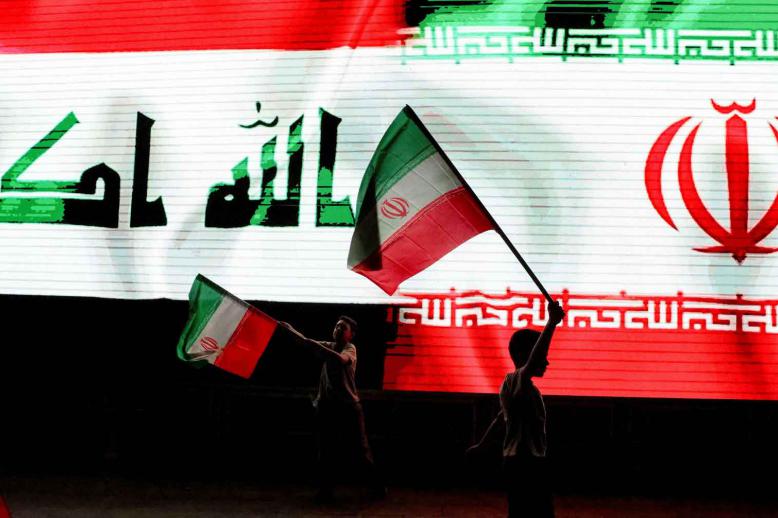
Since then, Iraqi leaders have sought to balance relations between Washington and Tehran—a delicate task that now falls squarely on Zaidi’s shoulders.
The US is expected to press the incoming government to rein in Iran-backed armed groups, which it designates as terrorist organisations. Yet achieving this objective will be highly challenging, given the entrenched power of these factions. Many are deeply embedded within Iraq’s political system, holding parliamentary seats and government positions, while also maintaining significant armed capabilities on the ground.
For this reason, forming a government is unlikely to be straightforward. Shiite factions are expected to demand guarantees protecting their political influence and economic interests in exchange for supporting the new administration.
As a result, expectations in Washington that Zaidi might decisively curb Iranian influence in Iraq may prove overly optimistic.
While his appointment could open a window for de-escalation between Baghdad and Washington, it does little to alter the complex realities shaping Iraq’s political landscape. Overlapping regional rivalries, powerful non-state armed groups and deeply entrenched patronage networks continue to define the country’s governance.
Caught between external pressures and internal constraints, Zaidi faces a delicate balancing act: maintaining ties with Washington without provoking Tehran, and strengthening state institutions without confronting the powerful forces that share control over Iraq’s sovereignty.