

Utter support for Bahrain
King Mohammed VI to Bahraini King: Your safety is our safety
The Moroccan King affirms total support for Bahrain against the Iranian aggression.
Saturday 02/05/2026
Utter support for Bahrain
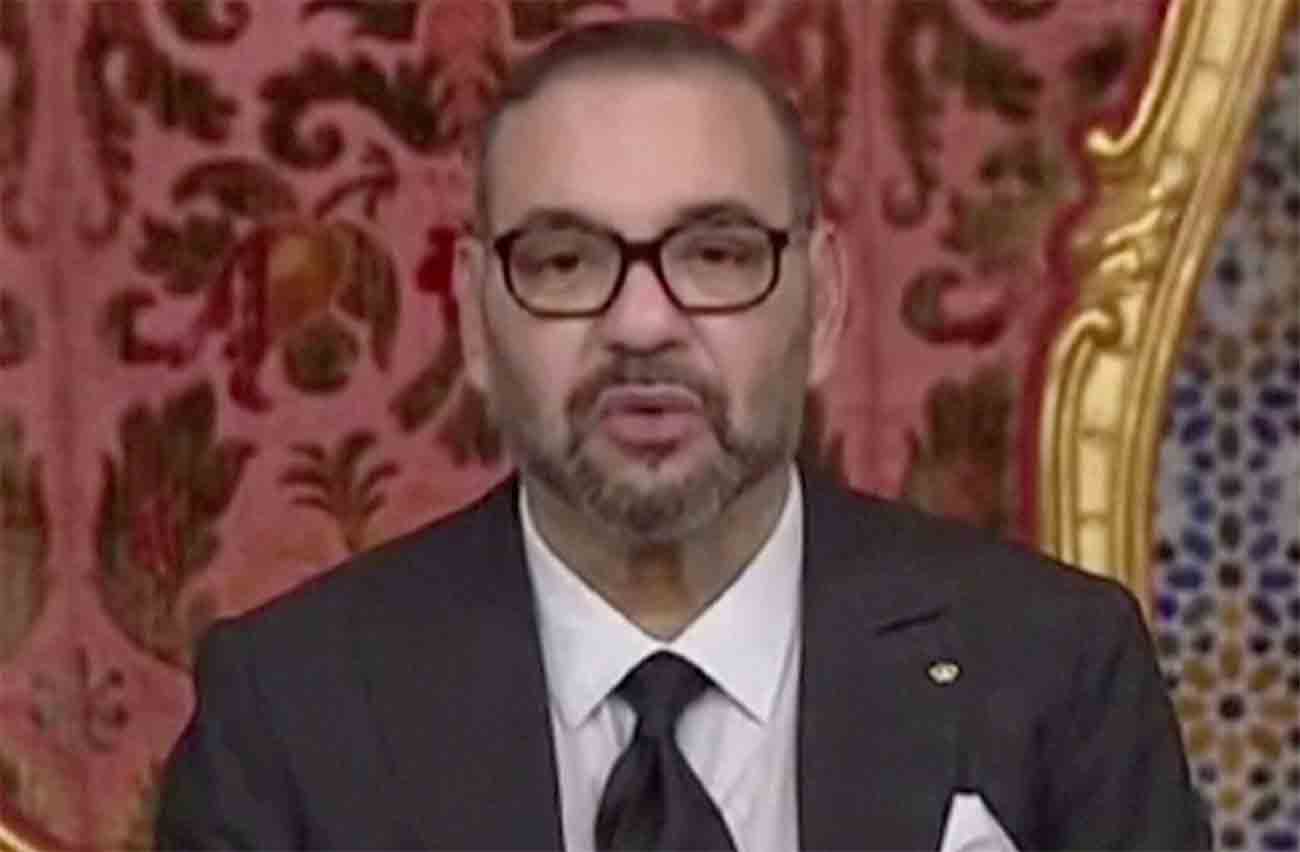
RABAT — Morocco’s King Mohammed VI has sent a written message to King Hamad bin Isa Al Khalifa of Bahrain, condemning in the strongest terms the recent Iranian military strikes on the island kingdom.
In a powerful display of diplomatic solidarity, the message, released via a statement from the Royal Office, underscores a "one-fate" doctrine, linking the national security of Morocco directly to that of Bahrain and the wider Gulf Cooperation Council (GCC).
A Firm Condemnation of "Reprehensible" Attacks
King Mohammed VI reiterated his firm condemnation of what the Royal Office described as "reprehensible Iranian aggression." The message specifically highlighted that these attacks did not differentiate between military and civilian targets, striking military and civilian facilities, residential neighborhoods and national infrastructure.
The Sovereign expressed his absolute confidence that Bahrain, under the "wisdom of its Sovereign," would emerge from this ordeal "stronger and more stable."
The "Inseparable Safety" Doctrine
The most significant portion of the Royal message was the reaffirmation of a long-standing Moroccan strategic principle: the safety of Bahrain is inseparably linked to the safety of Morocco.
By framing Bahrain’s security as a Moroccan national interest, King Mohammed VI sent a clear signal to regional and international actors that Rabat views any threat to the Gulf as a direct threat to the Kingdom of Morocco.
Support for Domestic Stability
Beyond the external military threat, the message addressed "veiled threats" targeting the internal fabric of Bahrain. The King expressed Morocco's full support for the measures Manama has taken to safeguard national cohesion, counter efforts to undermine the unity of the Bahraini people and reinforce the social fabric against foreign interference.
The Iranian Escalation Against Bahrain
The recent aggression mentioned in the Royal message refers to a significant escalation in the ongoing regional conflict that erupted in early 2026. While tensions between Tehran and Manama have existed for decades, the current "Iran war" has seen a shift from proxy warfare to direct, high-tech strikes.
In March and April 2026, Iran launched a series of drone and missile strikes targeting critical digital and energy hubs in the Gulf. Bahrain, which hosts significant regional data infrastructure—including major Amazon Web Services (AWS) nodes—was a primary target of these "digital chokepoint" operations.
Unlike previous skirmishes, the 2026 strikes hit residential areas in and around Manama, causing civilian casualties and significant damage to non-military housing.
Beyond direct kinetic strikes, Bahrain has been battling a "shadow" campaign of cyberattacks and attempts to incite domestic unrest, which the Bahraini government attributes to Iranian intelligence services seeking to destabilize the GCC's financial and security architecture.
A United Front
The Royal message from Rabat serves as a reminder of the deep-rooted military and political alliances between the two monarchies.
Morocco’s stance provides a crucial diplomatic and strategic backstop, reminding the international community that the security of the Atlantic coast and the Arabian Gulf remains a single, unified concern.