

A living cultural landscape
Oman boosts heritage tourism as Jabal Akhdar trail nears completion
More than a simple footpath, the trail has been conceived as a carefully curated journey through culture, agriculture and living heritage.
Friday 17/04/2026
A living cultural landscape
MUSCAT – High in Oman’s Jabal Akhdar, where terraced farms cling to rugged slopes and the air carries the scent of roses and mountain herbs, a new walking trail is quietly reshaping how visitors will experience one of the country’s most distinctive landscapes.
The “Three Villages Trail” project, which connects the traditional settlements of Al Aqr, Al Ain and Al Sharijah, is now 90 percent complete and is expected to be finished before the end of 2026, officials have confirmed.
Stretching 2.4 kilometres across the mountainous terrain, the RO83,500 initiative is being developed by the Ministry of Heritage and Tourism in cooperation with the Office of the Wali of Jabal Akhdar and the Jabal Akhdar Municipality.
More than a simple footpath, the trail has been conceived as a carefully curated journey through culture, agriculture and living heritage, one that invites visitors to slow down, look closer and engage with the mountain communities that have shaped the region for generations.
Officials say the project is designed to strengthen sustainable ecotourism in the area, encouraging longer stays while supporting local livelihoods. It is also expected to open up new income streams for residents, linking tourism more directly to the daily life and traditions of the villages it passes through.
Director of the Heritage and Tourism Department in Dakhiliyah Ahlam bint Hamad Al Qasabi described the trail as an integrated visitor experience combining natural scenery with cultural immersion. It will feature well-maintained walking paths, designated viewpoints and seasonal attractions, including rose-picking during the annual flowering season for which Jabal Akhdar is famed.
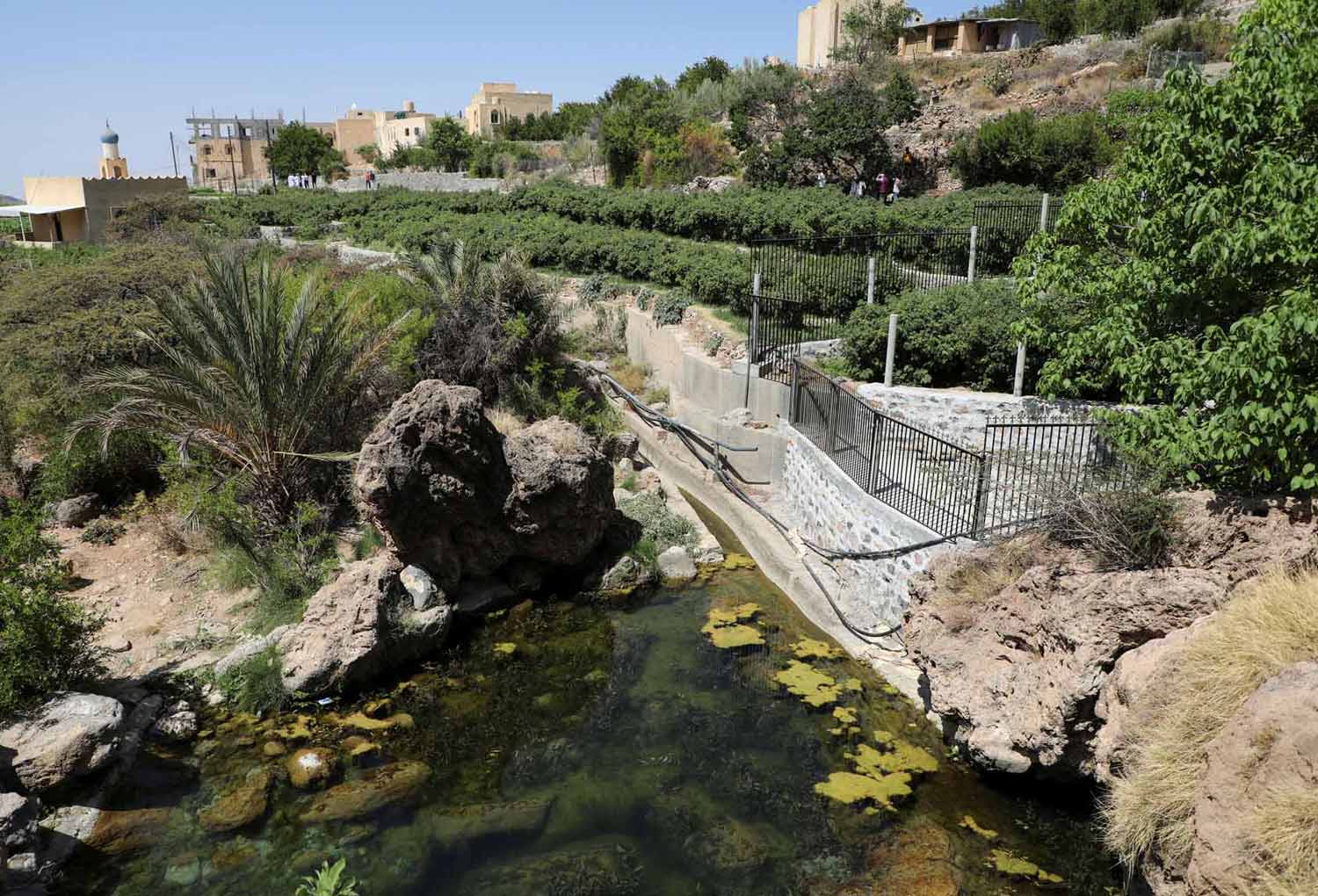
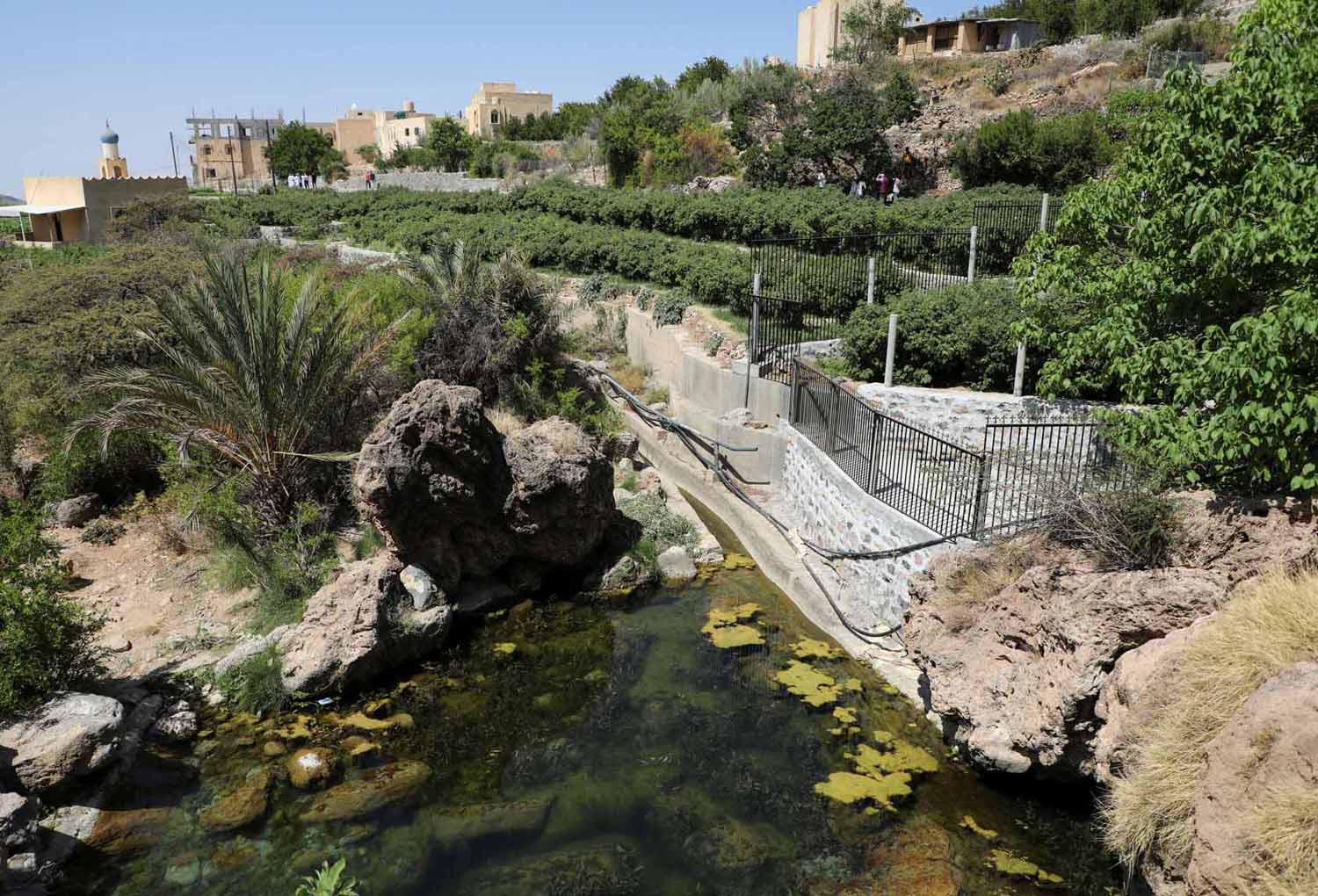
Along the route, visitors will traverse a living agricultural landscape, terraced fields and orchards producing roses, pomegranates, walnuts, apricots and aromatic herbs such as basil. These farms, carved into the mountains over centuries, remain central to the identity and economy of the region.
The trail itself is being carefully integrated into this environment. Paved with local stone, it begins in Al Aqr, winds through Al Ain and continues towards Al Sharijah, blending infrastructure with the natural contours of the land. The design includes rest areas, shaded seating spaces in Al Ain, viewing platforms and protective fencing to ensure both safety and minimal environmental disruption.
Beyond its physical construction, the project places strong emphasis on storytelling and visitor interpretation. Directional signage and information boards will guide walkers along the route, helping to explain not only the geography of the landscape but the cultural practices embedded within it.
According to Al Qasabi, the Ministry’s role extends beyond development into ensuring the trail meets strict standards for mountain tourism. This includes supervising construction quality, enhancing visitor infrastructure and promoting the destination while safeguarding its environmental and cultural integrity.
The experience is also designed to have a direct impact on local communities. Officials say the trail will support productive families and small and medium enterprises by creating opportunities to market locally made goods, from rose perfumes, oils and soaps to honey, jams and traditional foods.
Visitors will also be able to explore facilities producing natural rose water, a hallmark of Jabal Akhdar’s agricultural heritage, and purchase handcrafted items and locally made souvenirs rooted in the identity of the mountain villages.
In a broader sense, the initiative forms part of a growing national effort to enhance the economic value of mountain agriculture while preserving its traditions. Residents are being encouraged to adapt old houses into heritage lodges, small museums and cafés, helping to diversify income while maintaining the character of the villages.
As the trail nears completion, it is emerging not simply as a tourism project, but as a carefully balanced model of development, one that connects landscape with livelihood, and visitors with the enduring rhythms of mountain life.
When it opens, the Three Villages Trail is expected to offer more than scenic views. It will offer a passage through a living cultural landscape, where every step tells a story of land, people and continuity in one of Oman’s most iconic highland regions.