

A meditation on influence and continuity
Paris exhibition highlights Alaïa’s lifelong dialogue with Dior
Fascinated by the legacy of his predecessors, Alaïa amassed more than 500 Dior pieces, preserving them with almost obsessive care.
Monday 30/03/2026
A meditation on influence and continuity
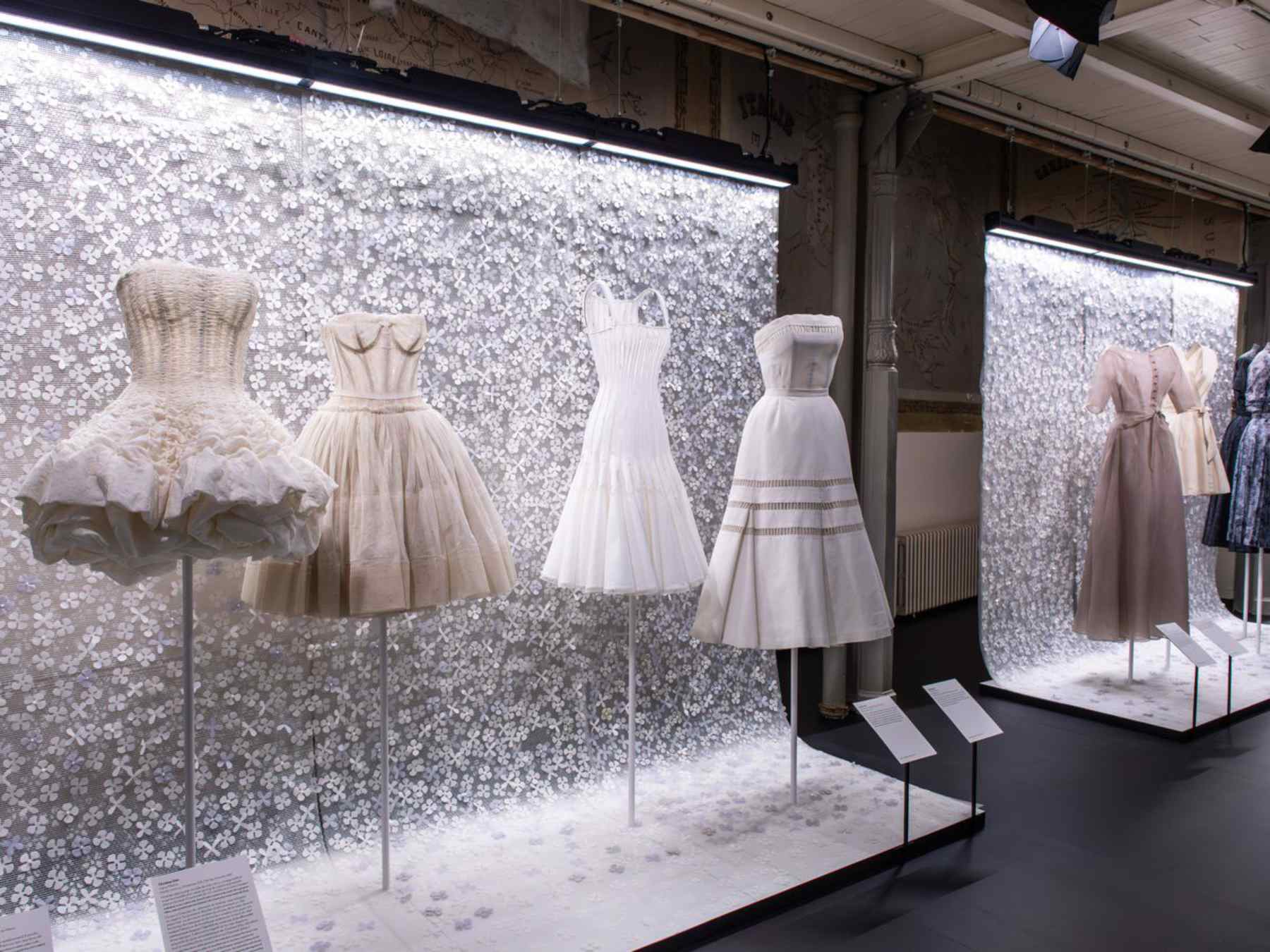
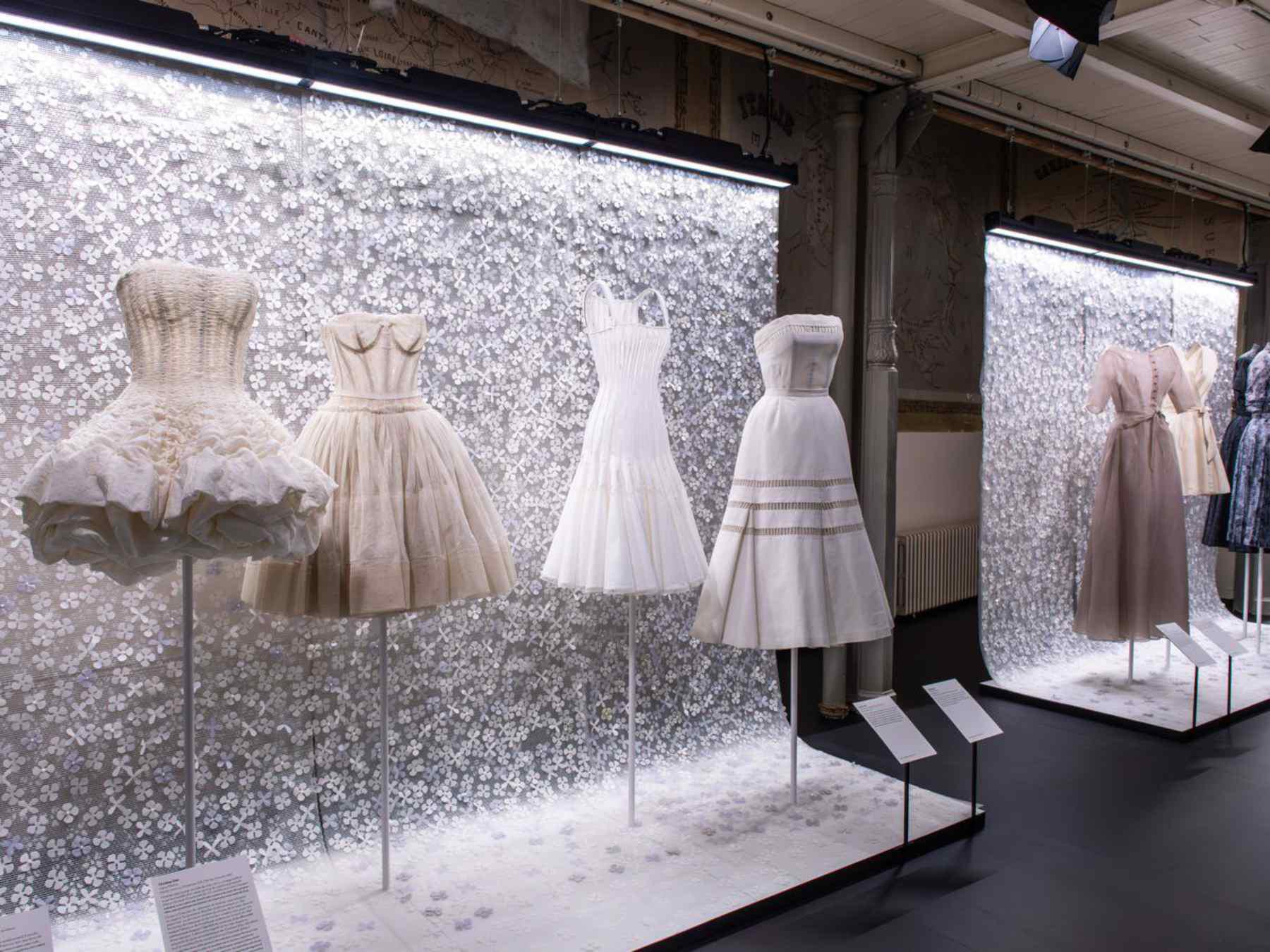
PARIS – Nearly 70 couture designs from Dior and Alaïa meet in “Azzedine Alaïa and Christian Dior: Two Masters of Haute Couture,” creating a striking conversation between decades.
Carefully preserved by Alaïa’s foundation, the exhibition reveals shared forms, colour harmonies and motifs that trace the enduring influence of masters on one another.
Running until 24 May at the foundation’s space on Rue de la Verrerie, the exhibition offers guided tours led by fashion historians, providing an intimate view of Alaïa’s life, his artistic vision and the architectural character of the venue itself.
More than a retrospective, the exhibition is a meditation on influence and continuity, a vivid reminder that in haute couture, time does not divide but connects, linking masters and protégés through the enduring power of creation.
For Tunisian-born Alaïa, Paris ceased to be a distant dream in 1956. Armed with little more than a letter of recommendation and an unshakeable ambition, the young designer left Tunis and stepped into the heart of the fashion capital.
Within days, he crossed the threshold of Christian Dior, the world’s most influential couture house, at a moment when the legendary designer still reigned supreme.
Encouraged by the pioneering Tunisian feminist Habiba Menchari, Alaïa travelled straight from the airport to the Champ de Mars, where a Dior client secured him a brief internship in the ateliers on Rue François 1er.
Though fleeting, the experience left an indelible mark: Dior’s creations, architectural gowns that seemed suspended in air, ignited the young designer’s imagination.
Alaïa’s early cocktail dresses, crafted for private clients, echoed that Parisian grandeur. “They seemed to stand up on their own,” he later recalled. These pieces set him on a lifelong pursuit to explore the mysteries of cut, structure and movement, a quest that would eventually establish him as one of the most technically brilliant couturiers of his generation.
Across decades, Alaïa’s work remained a quiet testament to those formative impressions. Like Dior, he celebrated sculpted silhouettes, cinched waists, pronounced shoulders, rounded hips, and voluminous skirts, while developing his own unmistakable style. Both designers shared a refined palette, often favouring deep blacks and greys, transforming garments into timeless statements of elegance.
Yet Alaïa was not only a creator; he was also a devoted collector. Fascinated by the legacy of his predecessors, he amassed more than 500 Dior pieces, preserving them with almost obsessive care. This extraordinary archive now forms a central dialogue in Paris, at the heart of the exhibition.
Through its thoughtful curation, “Azzedine Alaïa and Christian Dior” celebrates not just the garments themselves but the intangible bonds of inspiration, mentorship and admiration that connect masters across generations.
In Paris, fashion’s past and present meet, demonstrating that creativity transcends time, and that in haute couture, influence endures long after the final stitch.