



Reform UK adamant on banning the Muslim Brotherhood
Reform UK says would ban Muslim Brotherhood and other 'extremist' groups
The party’s home affairs spokesperson says it would create an ICE-style agency to deport illegal migrants if it were to enter government.
Tuesday 24/02/2026
Reform UK adamant on banning the Muslim Brotherhood
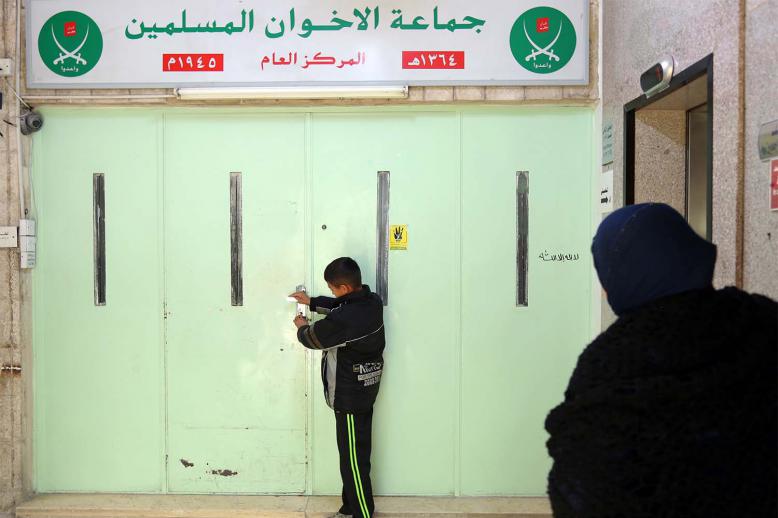
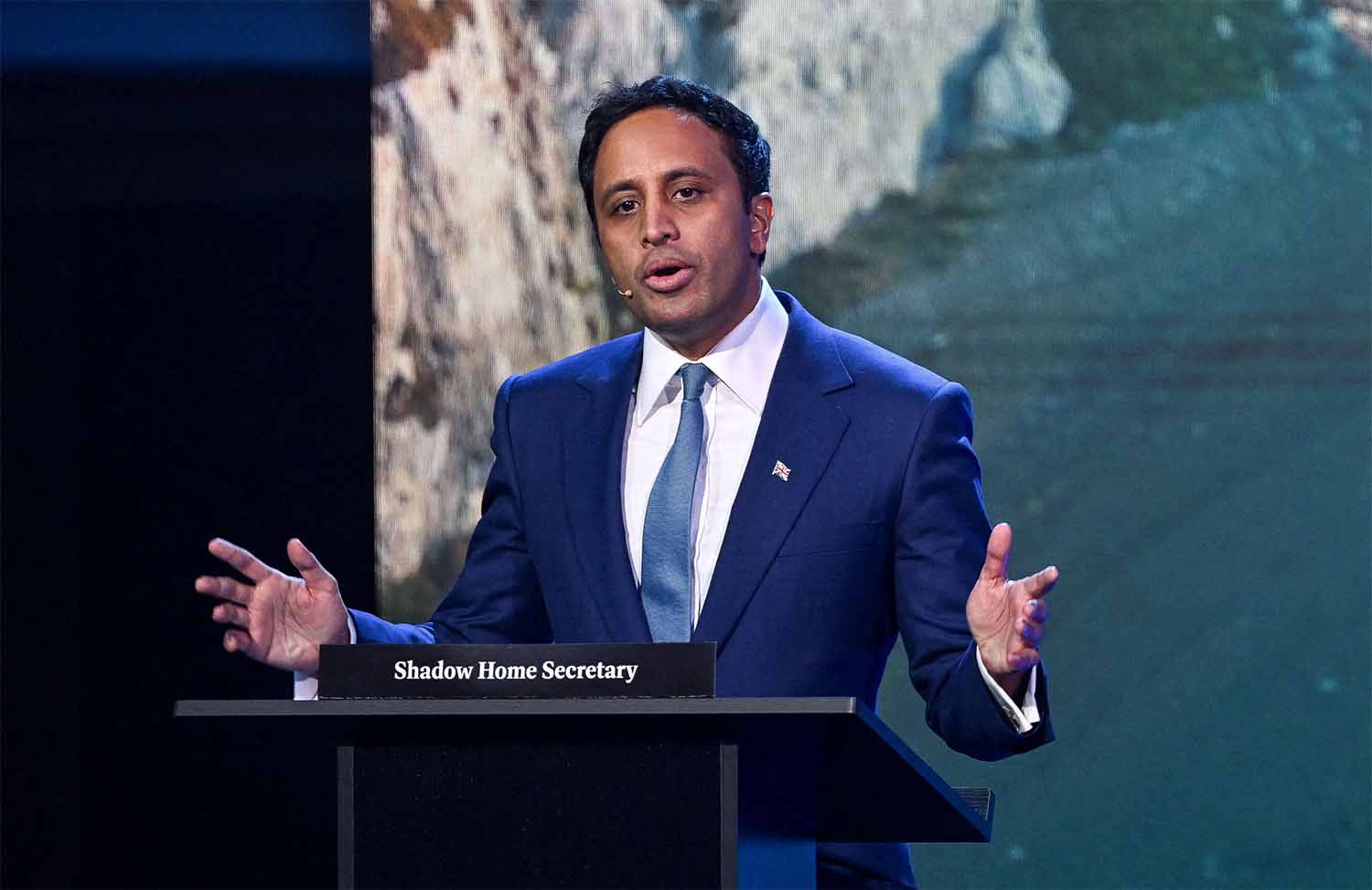
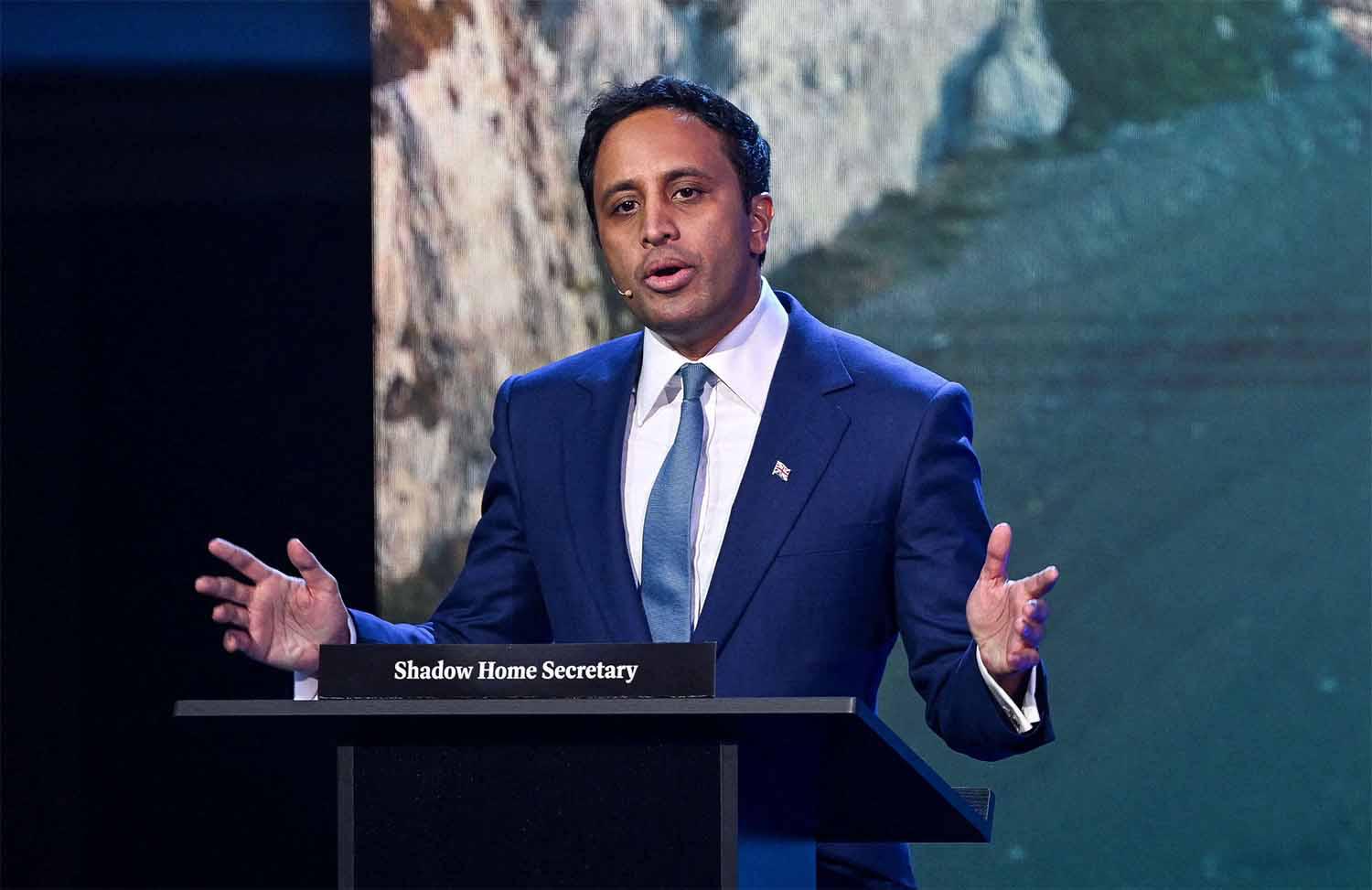
LONDON — Reform UK’s newly appointed home affairs spokesperson said Monday the party would seek to ban the Muslim Brotherhood in the United Kingdom, along with “any other organisation that promotes extremism in Britain,” if it were to enter government.
Speaking as part of a broader policy outline on national security and counter-extremism, the spokesperson argued that current legislation does not go far enough to address groups that, in the party’s view, advance ideologies considered incompatible with British democratic values.
“We would move to proscribe the Muslim Brotherhood and any other organisation that promotes extremism in Britain,” he said, adding that a Reform-led government would review existing counter-terror and public order laws to expand the scope of bans where deemed necessary.
In the UK, organisations can be formally banned — or proscribed — under the Terrorism Act 2000 if the Home Secretary believes they are involved in terrorism. Proscription makes it a criminal offence to belong to, support, or promote the group.
The Muslim Brotherhood, founded in Egypt in 1928, is banned or designated as a terrorist organisation in several countries across the Middle East. However, it is not currently proscribed in the UK.
A UK government review published in 2015 concluded that aspects of the Brotherhood’s ideology were “contrary to British values,” but stopped short of recommending a ban.
Reform UK has argued that the threshold for action should be lowered where groups are seen to promote separatism, religious extremism, or anti-democratic principles — even if they are not directly linked to violent acts.
Yusuf said that Islamist extremism had been tolerated out of fear of being called names.
Civil liberties groups and some legal experts have cautioned that banning organisations requires clear evidence meeting statutory criteria, and that broad definitions of “extremism” risk legal challenges and potential infringements on freedom of association and expression.
Critics say that any move to proscribe groups without direct evidence of involvement in terrorism would likely face judicial review. Supporters of stricter measures, however, argue that stronger pre-emptive tools are needed to counter radicalisation and ideological extremism.
The announcement forms part of Reform UK’s wider security platform, which includes proposals to tighten immigration controls, expand deportations of foreign nationals convicted of crimes, and increase police powers in cases involving national security.
ICE-style enforcement body in the UK
Yusuf also said that, if it were to enter government, Reform UK would establish a new enforcement body modeled on the United States’ Immigration and Customs Enforcement (ICE) to oversee the identification and deportation of people residing in the UK illegally.
Party leaders said the proposed agency would be dedicated exclusively to immigration enforcement, arguing that current structures lack the capacity and focus required to address what they describe as record levels of irregular migration. The announcement forms part of Reform UK’s broader platform centered on border control, national sovereignty and reductions in net migration.
Under the proposal, the new body would consolidate enforcement powers currently dispersed across various Home Office units, including immigration compliance teams and border enforcement divisions.
Reform UK officials said the agency would be tasked with tracking visa overstayers, detaining individuals without legal status, and accelerating removals through streamlined legal processes.
“We need a specialist, properly resourced force whose sole responsibility is enforcing immigration law,” said Yusuf. “If you enter or remain in the UK illegally, you should expect to be removed swiftly.”
Critics in the UK have raised concerns that adopting an ICE-style framework could increase tensions in communities and lead to more aggressive enforcement practices. Civil liberties groups warn that expanding detention and deportation powers may raise human rights and due process issues, particularly in complex asylum and trafficking cases.
Reform UK has responded by stating that any new agency would operate “strictly within UK law” and would prioritize individuals convicted of serious crimes, as well as those who have exhausted all legal avenues to remain in the country.
The proposal comes amid heightened political debate over migration levels, small boat crossings in the English Channel, and the government’s handling of asylum backlogs. Migration remains a central issue in British politics, with parties offering sharply differing approaches to enforcement, humanitarian obligations and legal migration routes.