

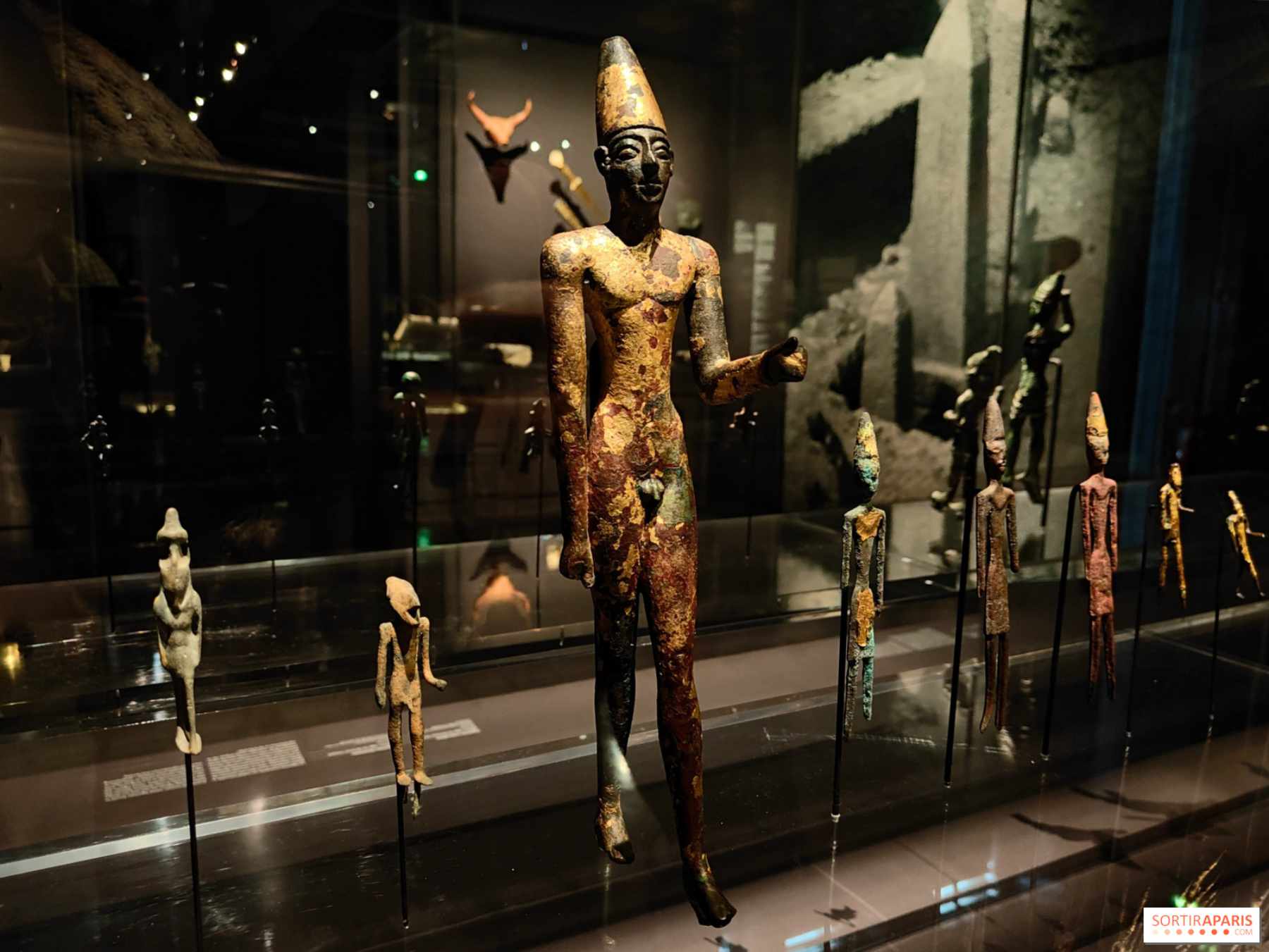
The exhibition features more than 400 artefacts
Rich collection tells 9,000-year story of Byblos at Paris showcase
Running from March 24 to August 23, 2026, the exhibition, titled “Byblos, a Millennium-Old City of Lebanon,” brings together a rich collection of archaeological treasures.
Tuesday 24/03/2026
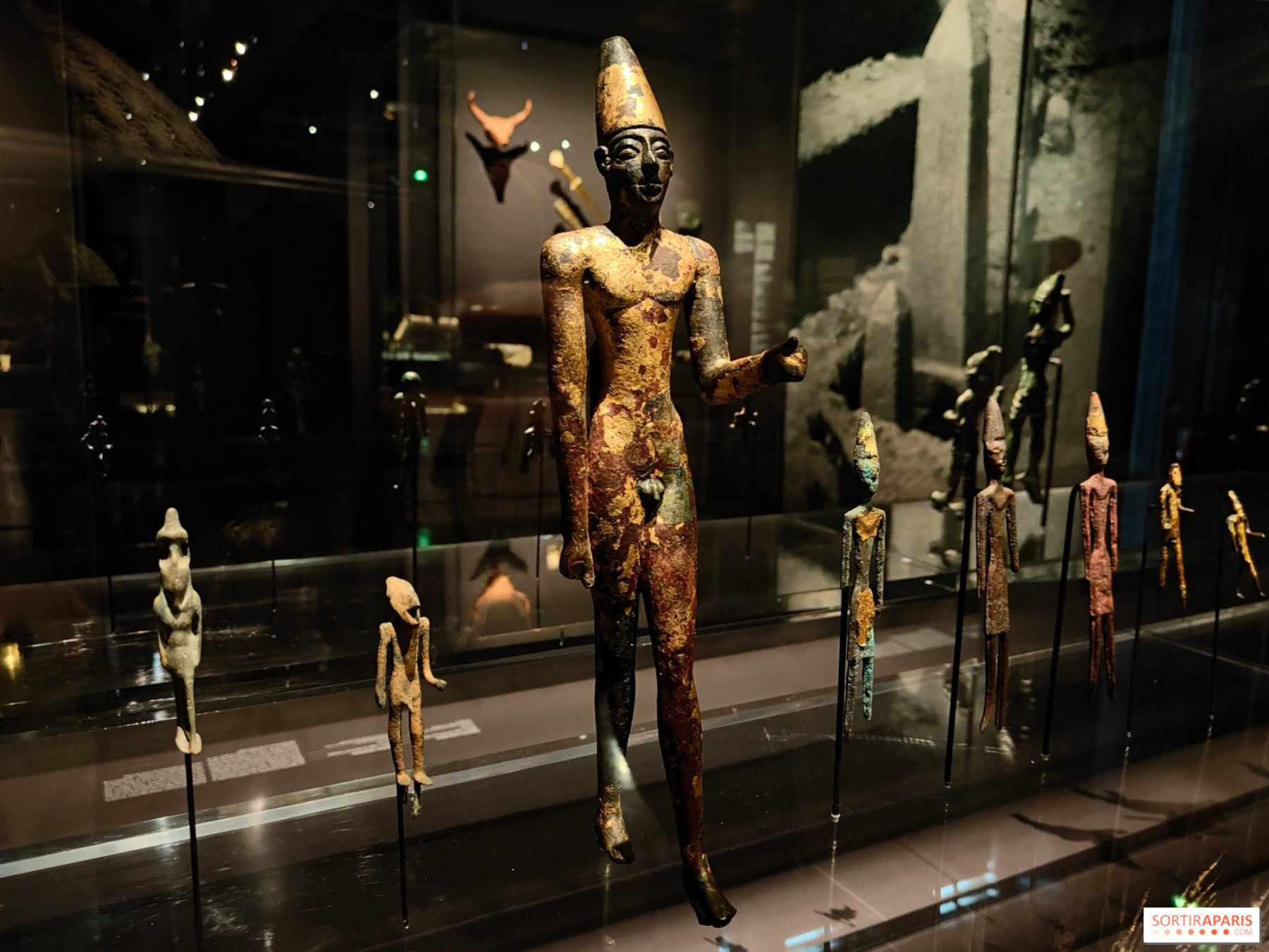
The exhibition features more than 400 artefacts
PARIS – The Arab World Institute is inviting visitors on a journey through time with a major new exhibition celebrating Byblos, one of the world’s oldest continuously inhabited cities and widely regarded as the first international maritime port.
Running from March 24 to August 23, 2026, the exhibition, titled “Byblos, a Millennium-Old City of Lebanon,” brings together a rich collection of archaeological treasures that trace nearly 9,000 years of human history, trade, and cultural exchange.
Set within the Institut du Monde Arabe in Paris, the exhibition offers a rare opportunity to explore the legacy of Byblos, known as the “Eternal City” of Lebanon, whose origins date back more than 8,900 years.
Perched above the Mediterranean, Byblos emerged in the Bronze Age as a modest fishing settlement before evolving into one of antiquity’s most influential city-states. For over two millennia, it served as a vital hub linking major ancient civilisations, including Egypt, Mesopotamia, the Aegean world, the Phoenicians and later the Romans.
At the heart of its historical importance was its role as the world’s first international maritime port, facilitating the exchange not only of goods, most notably cedar wood, but also of ideas, technologies and artistic traditions that shaped the ancient world.
The exhibition features more than 400 artefacts, many of them recently unearthed through archaeological excavations in Lebanon and the wider Middle East. These objects range from everyday tools to intricate works of art, collectively illustrating the evolution of a city that stood at the crossroads of global trade networks.
Among the highlights are funerary vases, fishing implements, jewellery adorned with gemstones, gold and silver tableware, bronze figurines, mirrors, weapons and items from ancient temples dating back to the second millennium BC. Visitors can also view mosaics depicting mythological scenes, including the abduction of Europa, alongside treasures recovered from royal cemeteries.
One of the exhibition’s most remarkable features is the display of a Bronze Age necropolis dating back to around 1800 BC, discovered intact and believed to have housed the tombs of Byblos kings Abi-Shemou and Yapi-Shemou-Abi. This rare find offers a unique window into burial practices and royal life in the ancient city.
In addition to long-studied artefacts, the exhibition presents newly discovered pieces that have never before been shown to the public. These include ancient ship anchors and funerary vessels, some of which still contain human remains, elements that underscore both the preservation and the emotional weight of the archaeological record.
The exhibition is designed with a minimalist aesthetic, allowing the artefacts themselves to take centre stage. Rather than overwhelming visitors with elaborate staging, the presentation emphasises the continuity of human creativity across millennia and the shared heritage that connects modern audiences with ancient societies.
Through these objects, the exhibition illustrates how Byblos functioned as a cultural melting pot, shaped by centuries of trade, migration, and interaction between different peoples and empires. Decorative motifs, weapon designs and artistic styles reveal the layered influences of Egyptian, Phoenician, Greek and other civilisations that passed through or engaged with the city.
Listed as a UNESCO World Heritage Site, Byblos stands today as a living testament to the endurance of human civilisation and its capacity for exchange and adaptation. Its archaeological record reflects not only the rise and fall of empires but also the everyday lives of those who lived, worked and traded along its ancient shores.
For visitors in Paris, the exhibition offers more than a historical overview; it provides an immersive encounter with one of humanity’s earliest urban centres, highlighting how a small coastal settlement in Lebanon became a pivotal node in the story of global civilisation.