


A rapidly evolving rapprochement
Sharaa visit underscores Saudi-led drive to rebuild ties with Syria
The meeting comes as Saudi Arabia continues to position itself as a central diplomatic and economic actor in post-war Syrian reintegration efforts.
Wednesday 22/04/2026
A rapidly evolving rapprochement
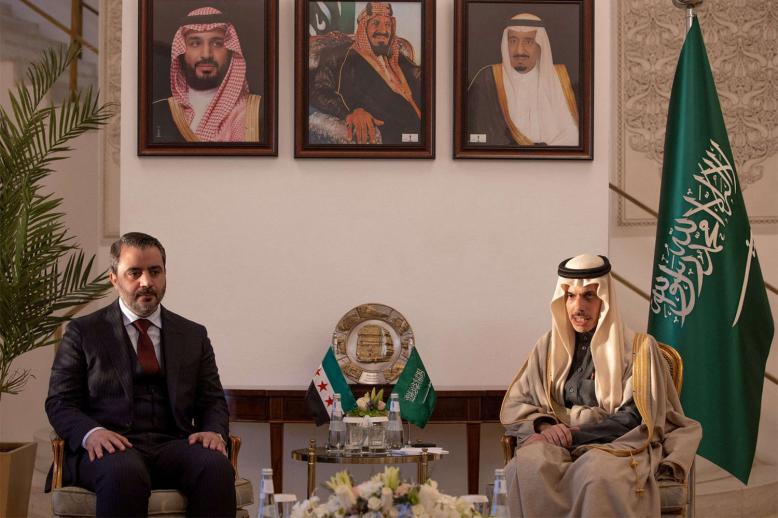
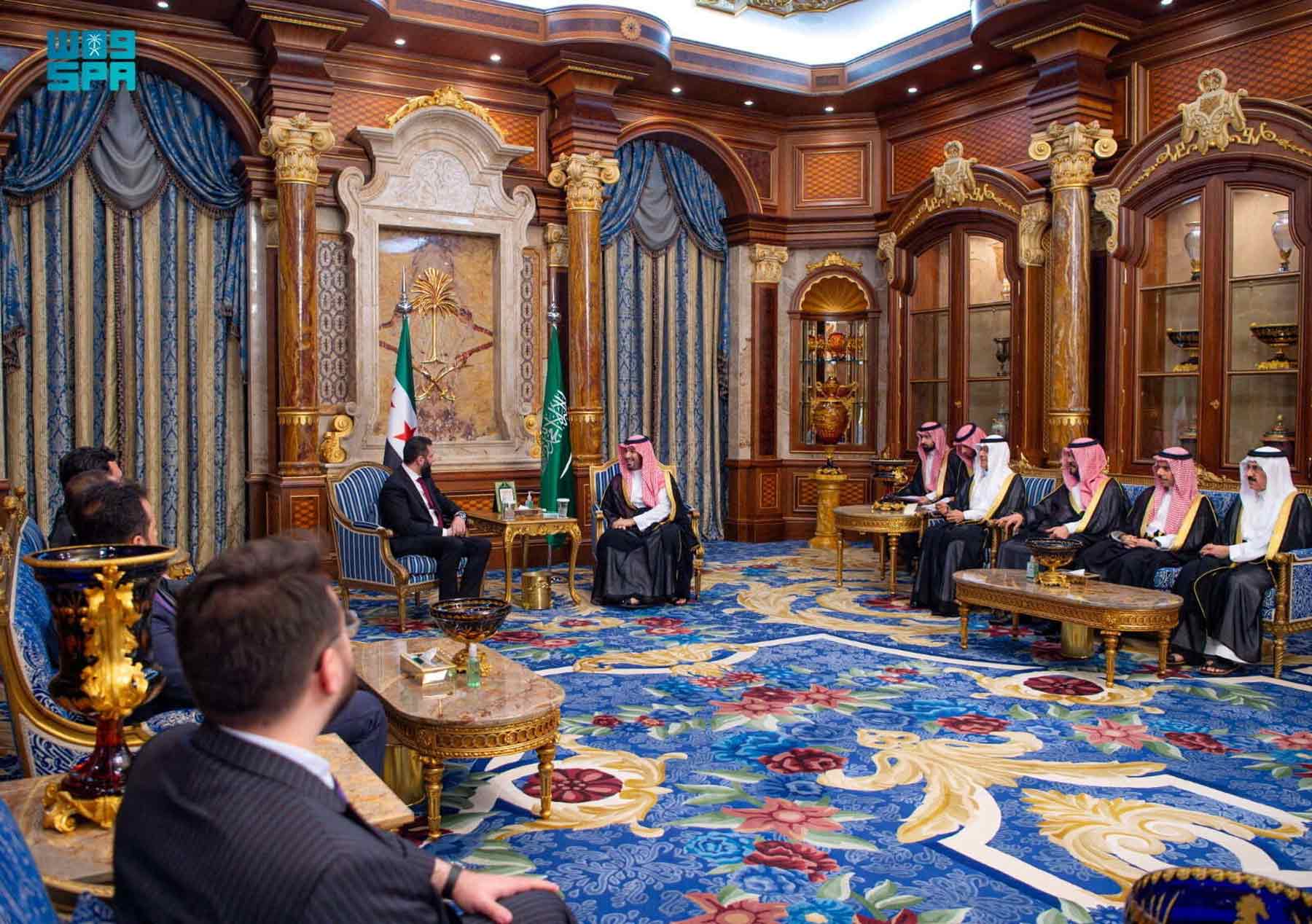
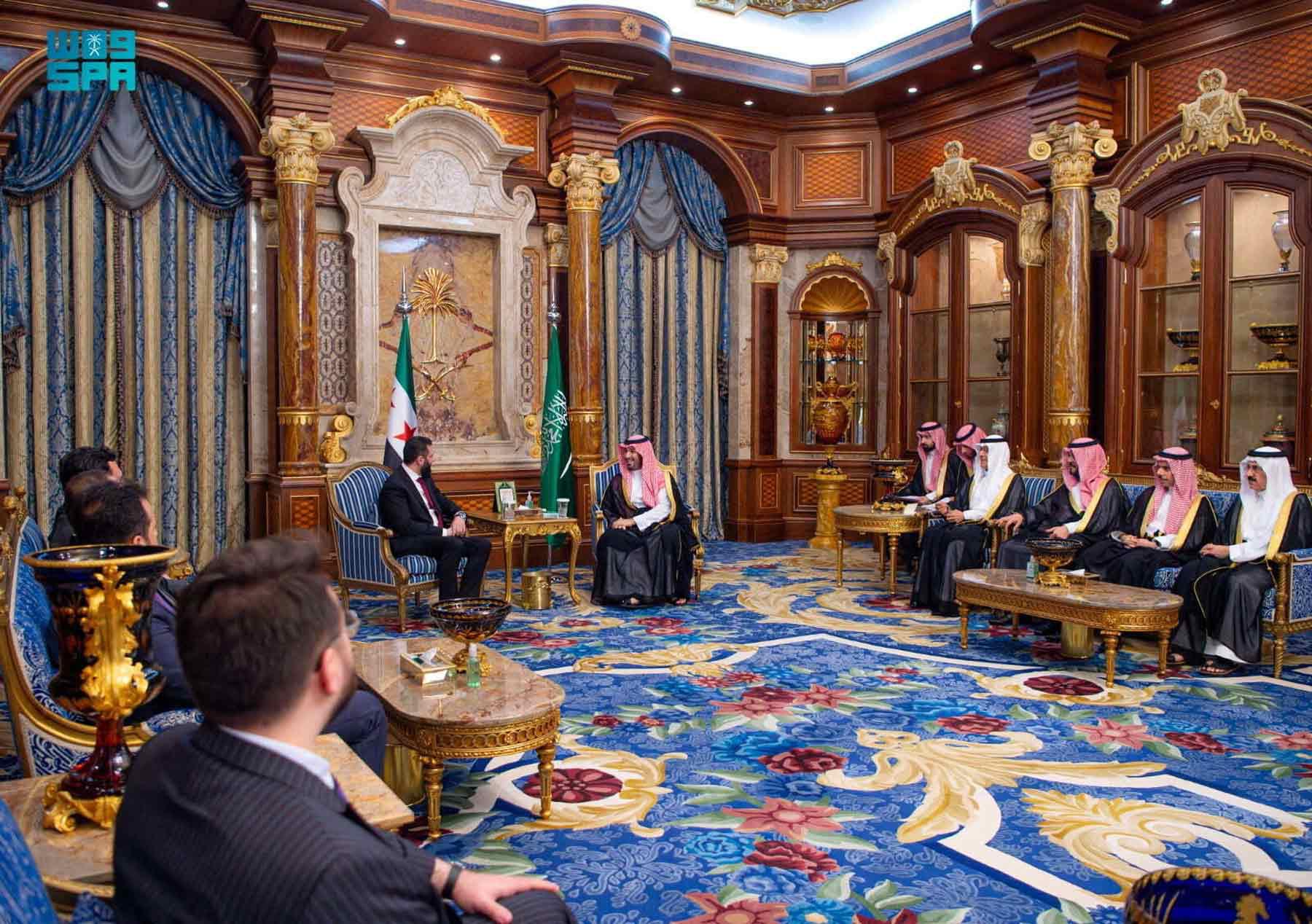
RIYADH/JEDDAH – Saudi Crown Prince Mohammed bin Salman met Syrian President Ahmed al-Sharaa in Jeddah on Tuesday for wide-ranging talks focused on economic cooperation, investment and regional stability, in the latest step in a rapidly evolving Saudi-Syrian rapprochement.
The Syrian presidency said the two leaders held talks attended by officials from both countries, adding that discussions covered bilateral relations and ways to strengthen and develop them “particularly in the economic and investment fields and regional connectivity projects, along with reviewing regional and international developments of mutual interest.”
The meeting comes as Saudi Arabia continues to position itself as a central diplomatic and economic actor in post-war Syrian reintegration efforts, with both countries seeking to translate political re-engagement into tangible economic outcomes.
Relations between Riyadh and Damascus have strengthened significantly since the fall of the Assad government in late 2024. Sharaa had previously chosen Saudi Arabia for his first foreign visit as president, underlining the Kingdom’s priority status in Syria’s regional outreach strategy.
In early 2025, Saudi Arabia and Syria moved into a phase of structured economic engagement, following a high-level Saudi investment delegation visit that produced agreements across key sectors, including energy, infrastructure, agriculture and industry, with total value exceeding $6.4 billion.
The Saudi-Syrian Business Council also featured in Tuesday’s discussions, with Sharaa meeting its chairman Mohammed bin Abdullah Abu Nayan to explore expanding commercial cooperation and private sector engagement between the two countries.
Saudi officials view economic involvement in Syria as both a stabilising mechanism and a strategic investment in regional security, while Syria is seeking capital inflows to support reconstruction and revive key sectors of its economy after years of conflict.
The diplomatic momentum has also been shaped by broader geopolitical shifts, including Saudi efforts to expand its influence across Arab political realignments. Riyadh has played a visible role in facilitating Syria’s reintegration into regional diplomacy, including engagement with international stakeholders on sanctions and political transition frameworks.
In May, Saudi diplomacy was instrumental in persuading the United States to lift sanctions on Syria and in facilitating high-level contacts between US and Syrian leadership in the Kingdom, further elevating Riyadh’s role as a bridge between Damascus and Western capitals.
Officials say the current phase of engagement extends beyond diplomacy into economic architecture, with both sides increasingly focused on infrastructure development, investment facilitation and long-term reconstruction planning.
Despite progress, challenges remain, particularly around regulatory frameworks, investment conditions and broader regional security dynamics. However, both governments appear intent on sustaining momentum as part of a wider effort to reshape regional economic and political alignments.
Sharaa’s Gulf tour is expected to continue beyond Saudi Arabia, underscoring Syria’s broader effort to reposition itself within the Arab political and economic order through a combination of diplomacy, investment and regional connectivity initiatives.