


Hamdok exposed the Islamists' thirst for military rule
Sudan’s Hamdok accuses Islamists of sabotaging peace efforts to regain political control
Former Sudanese Prime Minister explicitly accuses Islamist loyalists of the deposed dictator Omar al-Bashir of "hijacking" the Sudanese Armed Forces.
Monday 16/02/2026
Hamdok exposed the Islamists' thirst for military rule
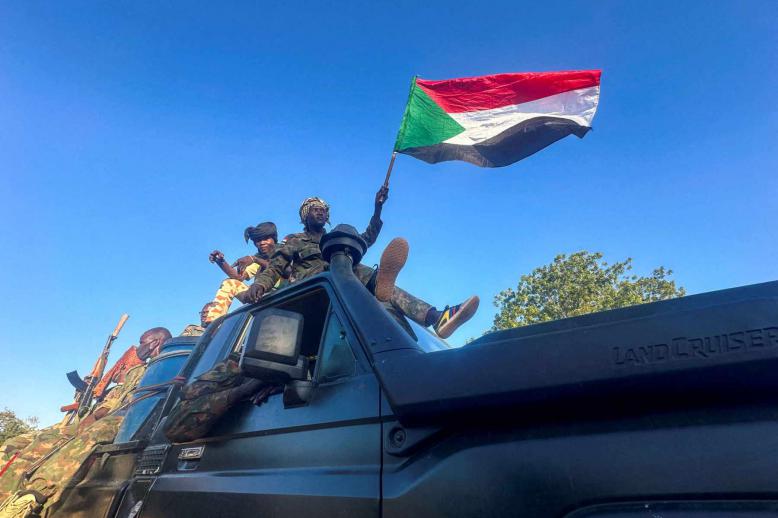
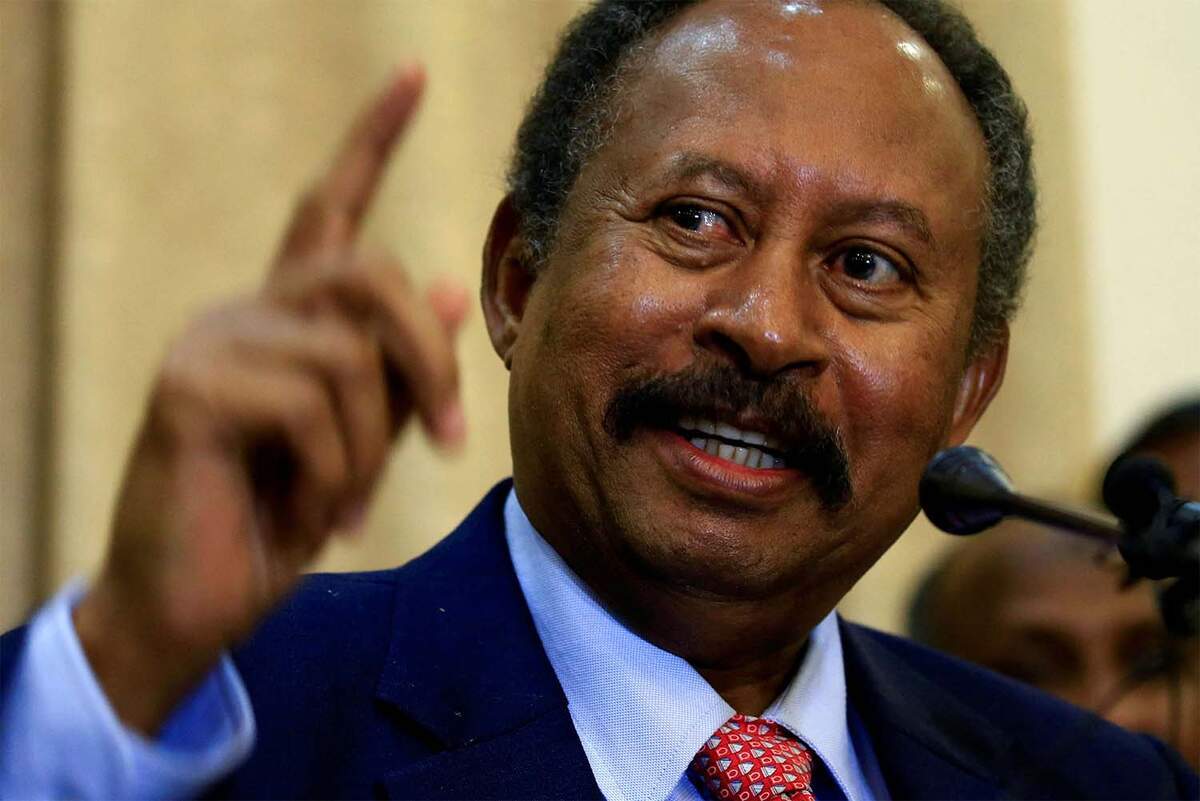
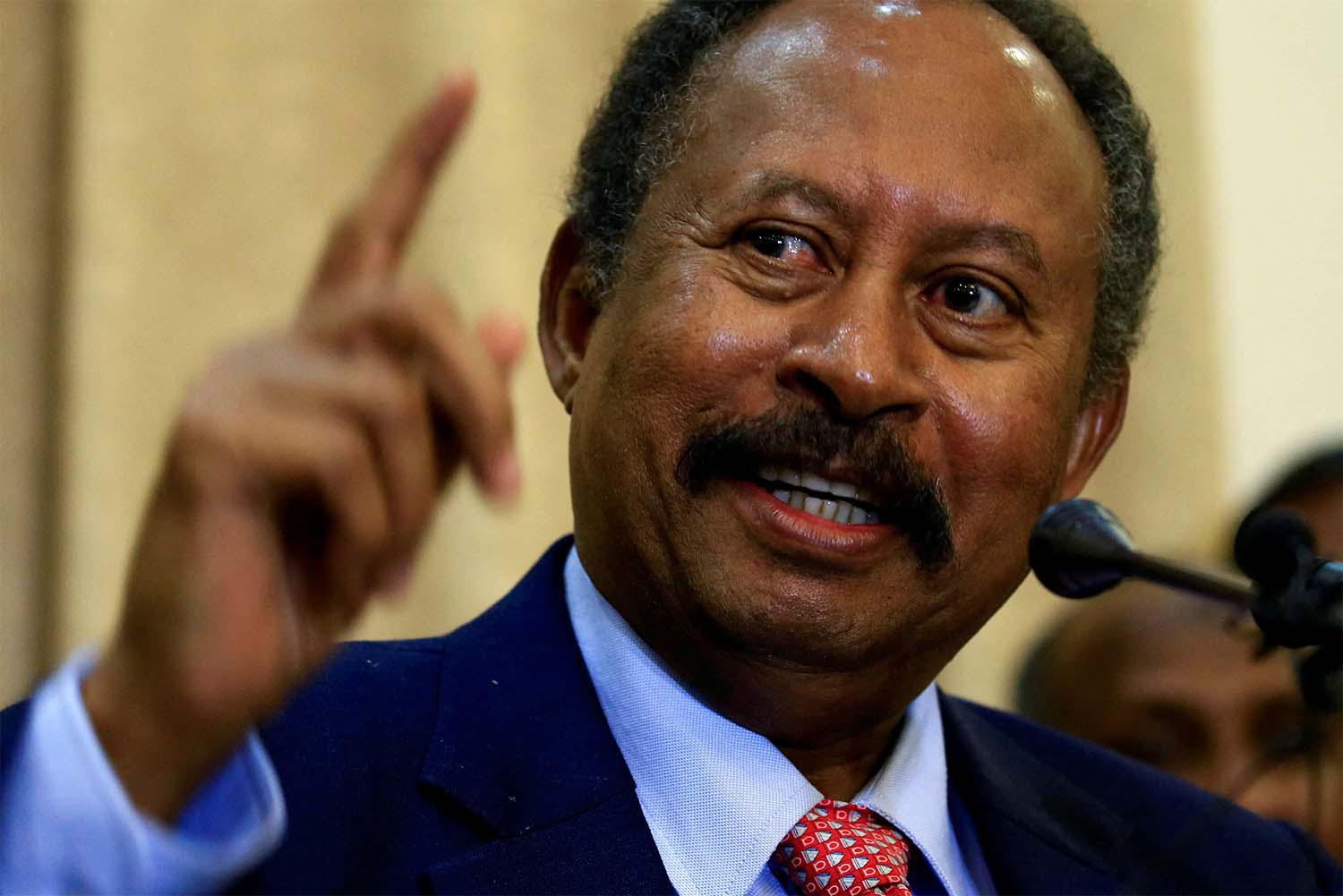
LONDON — Former Sudanese Prime Minister Abdalla Hamdok explicitly accused Islamist loyalists of the deposed dictator Omar al-Bashir of "hijacking" the Sudanese Armed Forces (SAF) and deliberately sabotaging peace efforts to regain political control, according to an interview with The National.
In a series of recent engagements with international policymakers and media, Hamdok, who now leads the Civil Democratic Forces coalition (known as Taqaddum), laid out a grim analysis of the conflict that has ravaged Sudan since April 2023. His central thesis is clear: while the fighting is physically between the SAF and the paramilitary Rapid Support Forces (RSF), the political engine driving the war is a "third party"—the resurgent Islamist old guard.
The "Deep State" Returns
Hamdok’s assessment challenges the simplistic narrative of a power struggle between two generals—army chief Abdel Fattah al-Burhan and RSF commander Mohamed Hamdan Dagalo (Hemedti). Instead, the former Prime Minister argued that General Burhan’s decision-making has been compromised by the "Kizan," a colloquial term for the Islamist network that underpinned Bashir's thirty-year rule.
“We had Jeddah, Manama, ALPS and currently the Quad. The main force that is hindering this and refusing to accept the broader consensus of the Sudanese is the Islamists, the NCP,” Hamdok told the National, referring to previous mediation tracks including the Aligned for Advancing Lifesaving and Peace in Sudan group talks.
According to Hamdok, the Kizan, often associated with the dissolved National Congress Party (NCP) and figures like Ali Karti, fears any democratic transition. A return to civilian rule would likely lead to accountability for past crimes and the dismantling of their economic monopolies. Therefore, they have a vested interest in perpetuating the chaos.
Sabotaging the Jeddah Platform
This analysis offers an explanation for the repeated failures of the Jeddah peace talks, brokered by the United States and Saudi Arabia. Despite multiple tentative ceasefires, the SAF has frequently pulled back from the negotiating table or set conditions deemed impossible by mediators because of internal pressure from Islamist hardliners forces.
The Nightmare Scenario
The former Prime Minister, a technocrat who was ousted in a 2021 coup that set the stage for the current conflict, painted a bleak picture of the alternative to peace. He has frequently warned that if the influence of these factions is not curbed, Sudan faces two "nightmare scenarios." The first scenario is the “Somalisation”, which is the total collapse of the central state, leading to a patchwork of fiefdoms run by warlords.
The second scenario will be a “Libya-style partition”, with the RSF controlling Darfur and Khartoum, and the SAF (backed by Islamists) controlling the east and north, based in Port Sudan.
A Call for Civilian Unity
As the head of Taqaddum, Hamdok is attempting to forge a united civilian front to pressure both warring parties. However, he faces criticism from some quarters for signing a declaration of principles with the RSF’s Hemedti in Addis Ababa earlier this year—a move the SAF branded as treasonous.
Hamdok defended the move as necessary pragmatism.
"We must talk to those holding the guns," he said, emphasizing that he is ready to meet with General Burhan anytime, provided the army chief can break free from the "shackles" of the old regime.
The international community is watching closely. Western diplomats have privately corroborated Hamdok's concerns, noting the reappearance of Bashir-era intelligence officers in key positions within the SAF’s operational command.
For Hamdok, the message to the world is urgent: mediating a ceasefire requires more than just bringing generals to a table; it requires neutralizing the spoilers who are using the fog of war to reverse the 2019 revolution.