

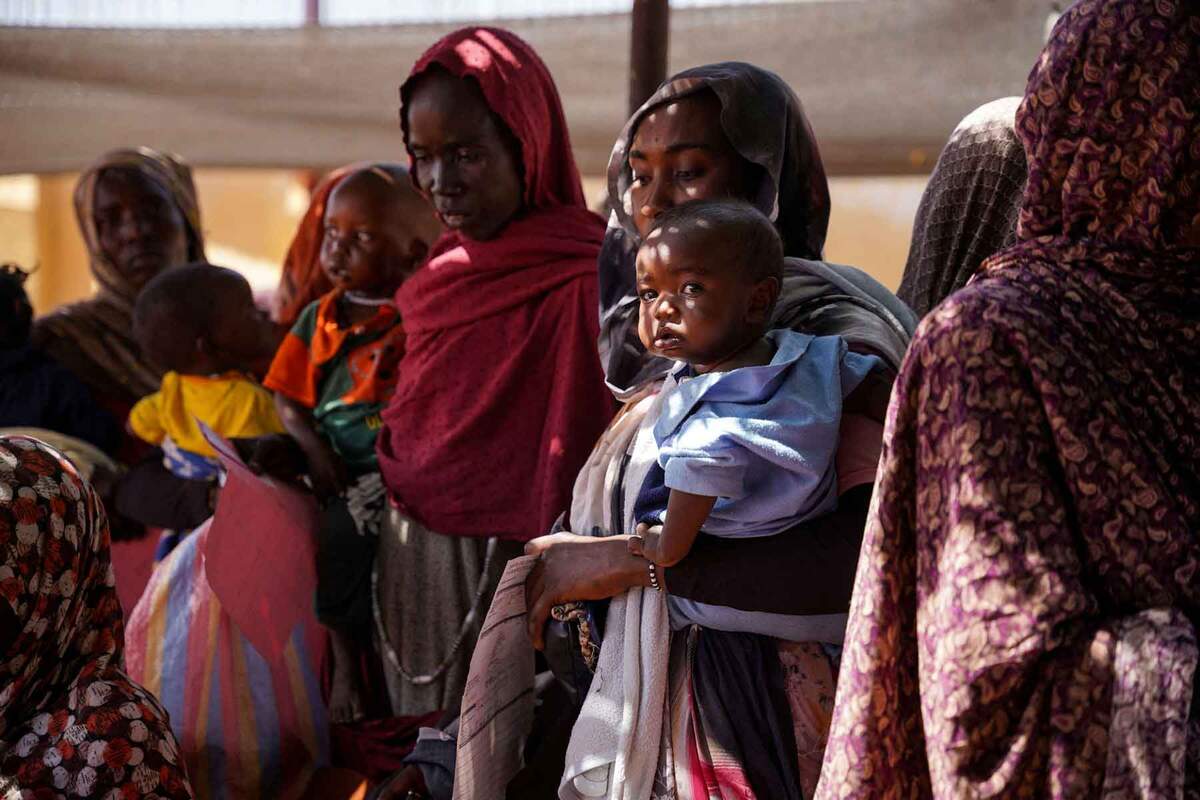
A worsening humanitarian catastrophe
Sudanese civil forces urge Ramadan truce as war devastates civilians
While the initiative faces significant obstacles amid entrenched military positions, it could provide an opening for de-escalation.
Wednesday 18/02/2026
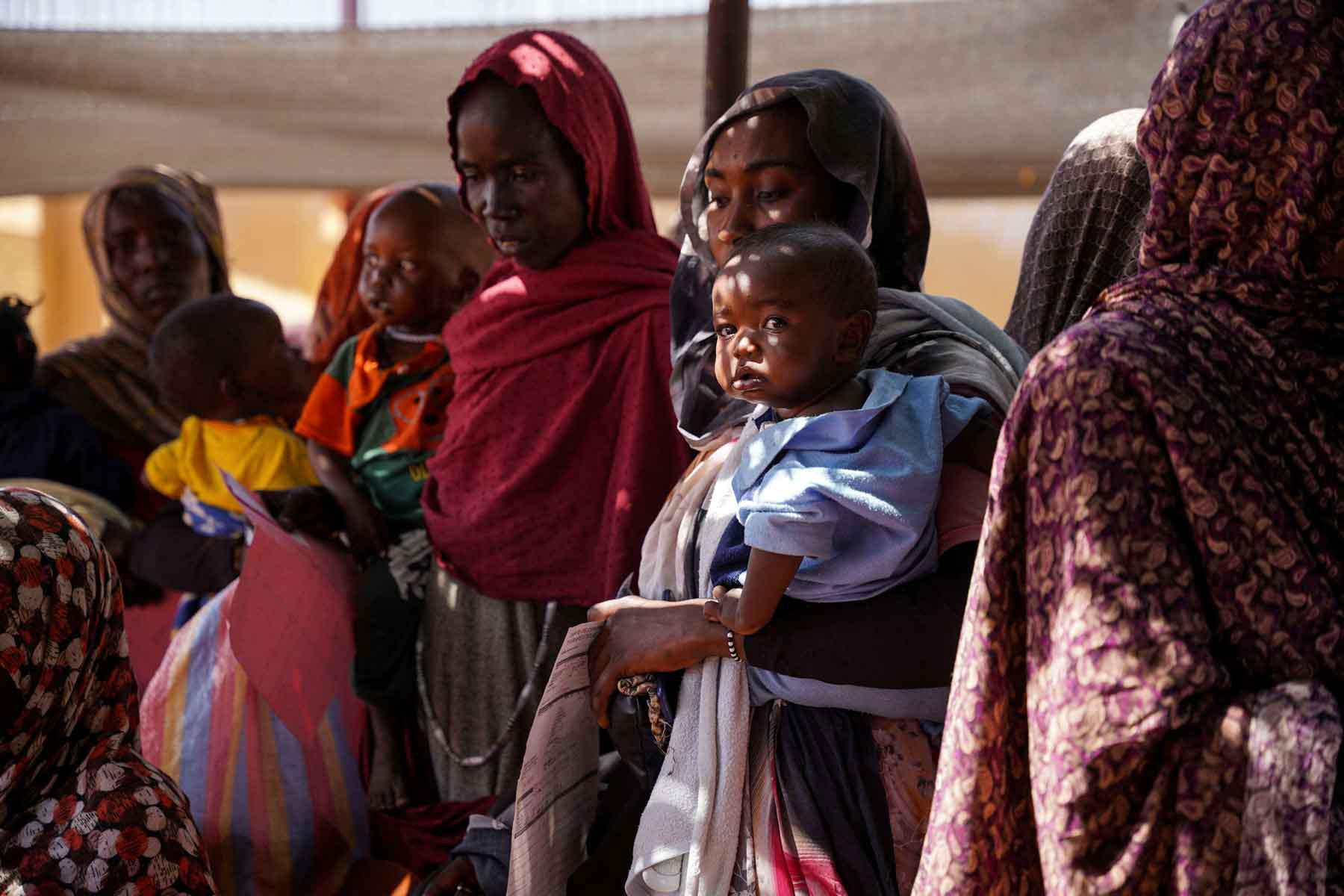
A worsening humanitarian catastrophe
KHARTOUM – A broad coalition of Sudanese political parties and civil society groups has called on the country’s rival military leaders to declare a comprehensive humanitarian truce during the holy month of Ramadan, in a bid to halt fighting, protect civilians and allow aid to reach millions affected by the war.
In a joint memorandum addressed to the leadership of the Sudanese Armed Forces and the paramilitary Rapid Support Forces (RSF), the signatories urged an immediate ceasefire to begin on the first day of Ramadan, alongside the unconditional release of all detained civilians and preparations for prisoner exchanges under international supervision.
The initiative seeks to “stop all military operations temporarily, protect civilians and secure vital facilities, and open safe and sustainable corridors to enable humanitarian organisations to carry out their work freely and effectively,” according to the document.
The signatories stressed the urgent need for clear monitoring and implementation mechanisms to ensure compliance and prevent either side from exploiting the truce for military advantage.
The memorandum was backed by prominent political parties including the National Umma Party, the Democratic Unionist Gathering, the Sudanese Congress Party, the Popular Congress Party, the Arab Socialist Baath Party and the Sudanese National Alliance, alongside Nasserist and unionist groups, professional associations and resistance committees grouped under the Somoud alliance, as well as other civil organisations.
The coalition said the initiative was driven by the worsening humanitarian catastrophe after more than two years of war, which has inflicted devastating human and material losses and left civilians, particularly women, children and the elderly, facing life-threatening conditions.
Sudan’s conflict, which erupted in April 2023 amid a power struggle between the army and the RSF, has displaced around 13 million people and killed tens of thousands, according to estimates by international organisations, making it one of the world’s worst humanitarian crises.
Despite repeated calls for ceasefires, prospects for a Ramadan truce remain uncertain. Army chief and head of the Sovereign Council Abdel Fattah al-Burhan reaffirmed last week that military operations against the RSF would continue until what he described as the “rebellion” was defeated, underscoring his reliance on a military solution rather than negotiations.
The continued escalation has had severe consequences for civilians, with each round of fighting driving up casualties, triggering further displacement and worsening already dire humanitarian conditions. The mobilisation of tribal groups and religious networks has also raised fears the conflict could expand beyond a confrontation between rival armed forces into a broader communal war.
Against this backdrop, the Ramadan truce proposal represents a rare unified appeal from Sudan’s fragmented political and civil landscape, reflecting mounting pressure to prioritise civilian protection and humanitarian access.
Observers say that while the initiative faces significant obstacles amid entrenched military positions, it could provide an opening for de-escalation and help build momentum towards a broader ceasefire and political dialogue aimed at restoring stability and reunifying the country’s fractured institutions.
For many Sudanese civilians, the signatories said, even a temporary halt in fighting during Ramadan could offer a critical reprieve from violence and a chance to alleviate some of the immense suffering caused by a war that has reshaped the nation.