


Limited room to manoeuvre
Sudani orders cost-saving measures as Iraq faces budget pressures
The financial measures come against a backdrop of heightened political uncertainty in Iraq, with partisan factions still unable to agree on the formation of a new government.
Monday 16/02/2026
Limited room to manoeuvre
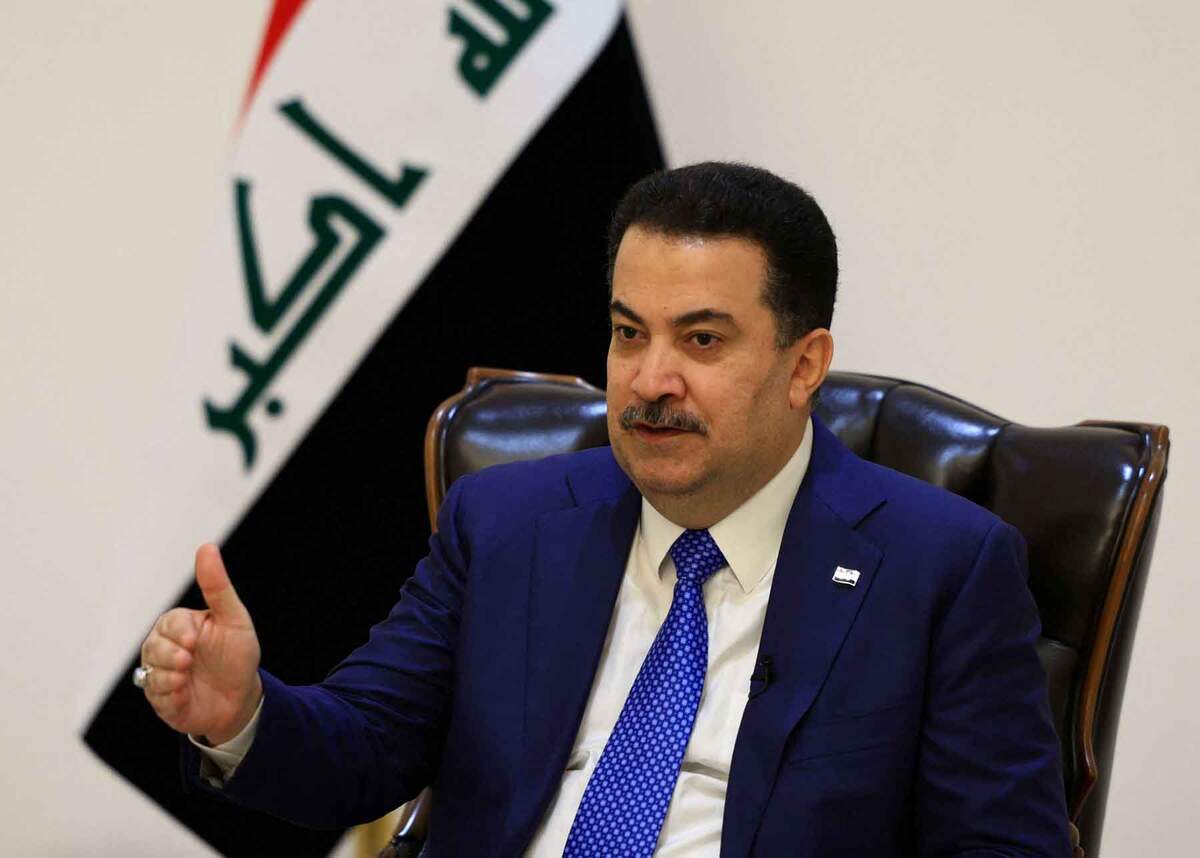
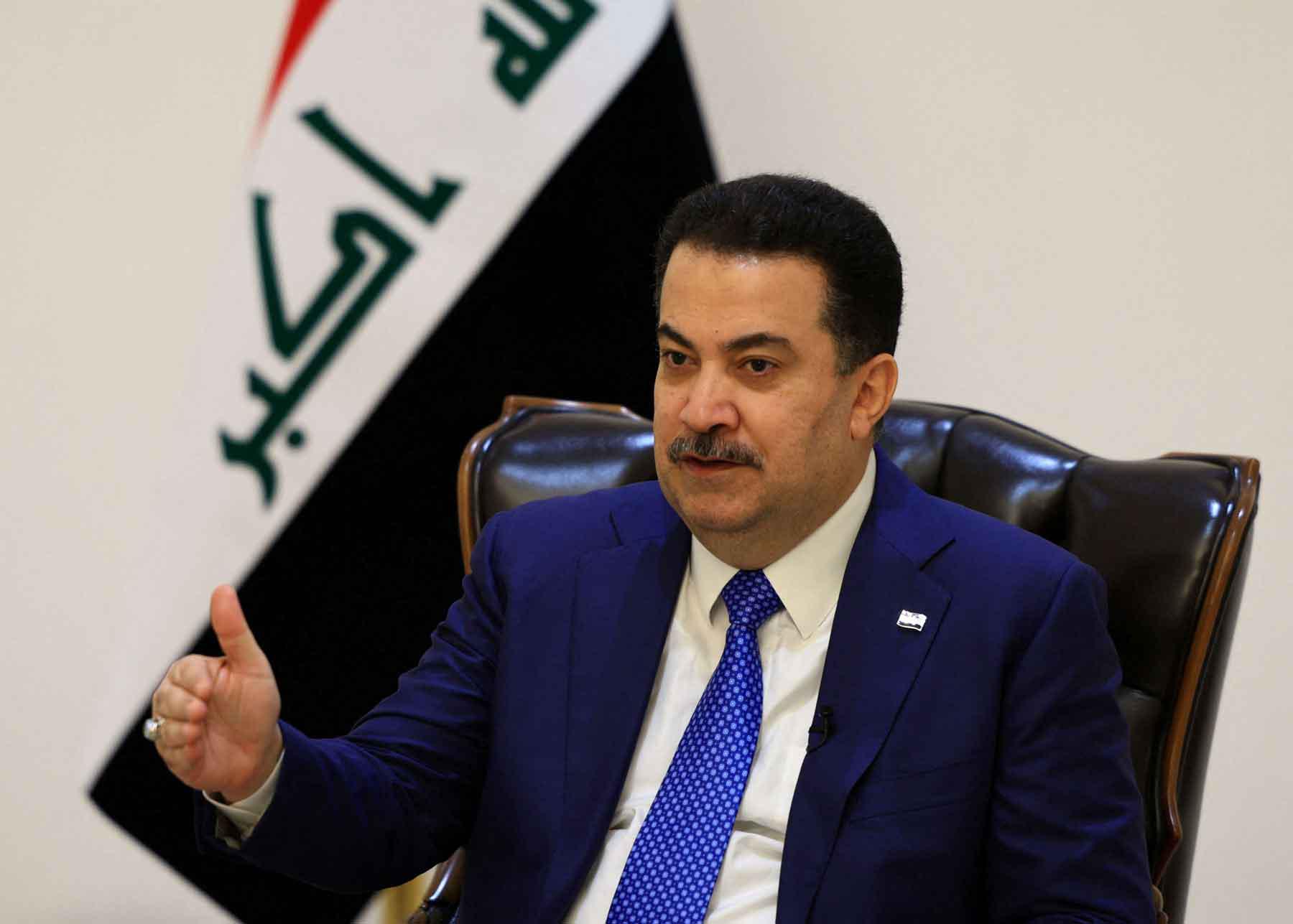
BAGHDAD – The office of outgoing Iraqi Prime Minister Mohammed Shiaa al-Sudani on Monday announced a series of organisational and financial measures across government bodies, including the termination of contracts for a number of advisers and experts. The steps are part of a wider effort aimed at “rationalising spending” and easing the country’s mounting financial pressures.
According to a statement from Sudani’s media office, the measures follow directives from the prime minister and encompass internal restructuring and consolidation within the office. They include ending contracts for advisers tasked with managing and monitoring government programme files, which have reportedly achieved approximately 88 percent of their intended targets.
The statement emphasised that the efforts of these advisers, alongside all government employees, were recognised and commended. It added that the prime minister’s office has also implemented measures to curb spending across most operational budget lines, underlining the need for all government institutions to enforce cabinet decisions to ensure clear expenditure rationalisation and maximum utilisation of available resources.
The financial measures come against a backdrop of heightened political uncertainty in Iraq, with partisan factions still unable to agree on the formation of a new government or the election of a new president. Analysts say this paralysis, compounded by regional tensions and threats from the United States over potential action against Tehran, has exacerbated the country’s economic and fiscal vulnerabilities.
The outgoing government faces substantial challenges, with the stability of Iraq’s general budget under threat and rising pressure on economic policies.
Key factors include near-total dependence on oil revenues, a widening fiscal deficit, weak growth in non-oil sectors, and structural obstacles in tax and customs revenue collection. Oil accounts for more than 90 percent of Iraq’s total government revenue, leaving the budget highly sensitive to global price fluctuations.
Any drop in prices directly reduces public income and diminishes the government’s capacity to finance operational and investment programmes, including infrastructure and essential services.
Statistics indicate that Iraq’s fiscal deficit widened from 1.1 percent of GDP in 2023 to around 4.2 percent in 2024, driven by rising expenditures on salaries, pensions, and energy imports. The persistent deficit places further strain on the budget, depleting resources for reform and development initiatives, and confronting Sudani’s administration with acute financial challenges.
Meanwhile, the non-oil sector has slowed dramatically, with growth falling from roughly 13.8 percent in 2023 to about 2.5 percent in 2024, reflecting limited economic diversification efforts. This slowdown undermines the government’s capacity to reduce oil dependency, create new jobs, and expand non-oil revenues.
The International Monetary Fund has highlighted Iraq’s need for higher oil prices to balance its budget. Prolonged low prices increase the fiscal deficit and add pressure on the government to implement stringent financial policies.
Tax revenues remain limited, amounting to approximately 3 trillion dinars against a total budget of 150 trillion dinars, underscoring the state’s weak ability to generate non-oil income. Simultaneously, efforts to reform the tax and customs systems face obstacles, with new measures on certain imports drawing criticism for potentially affecting purchasing power and pushing up prices, making reform politically and socially sensitive.
These structural and political challenges are compounded by weak state institutions, pervasive corruption and external pressures, particularly from Washington, concerning Iranian influence in Iraq. Such factors hamper the implementation of clear and effective economic programmes, leaving the outgoing government with limited room to manoeuvre in stabilising the nation’s finances.