

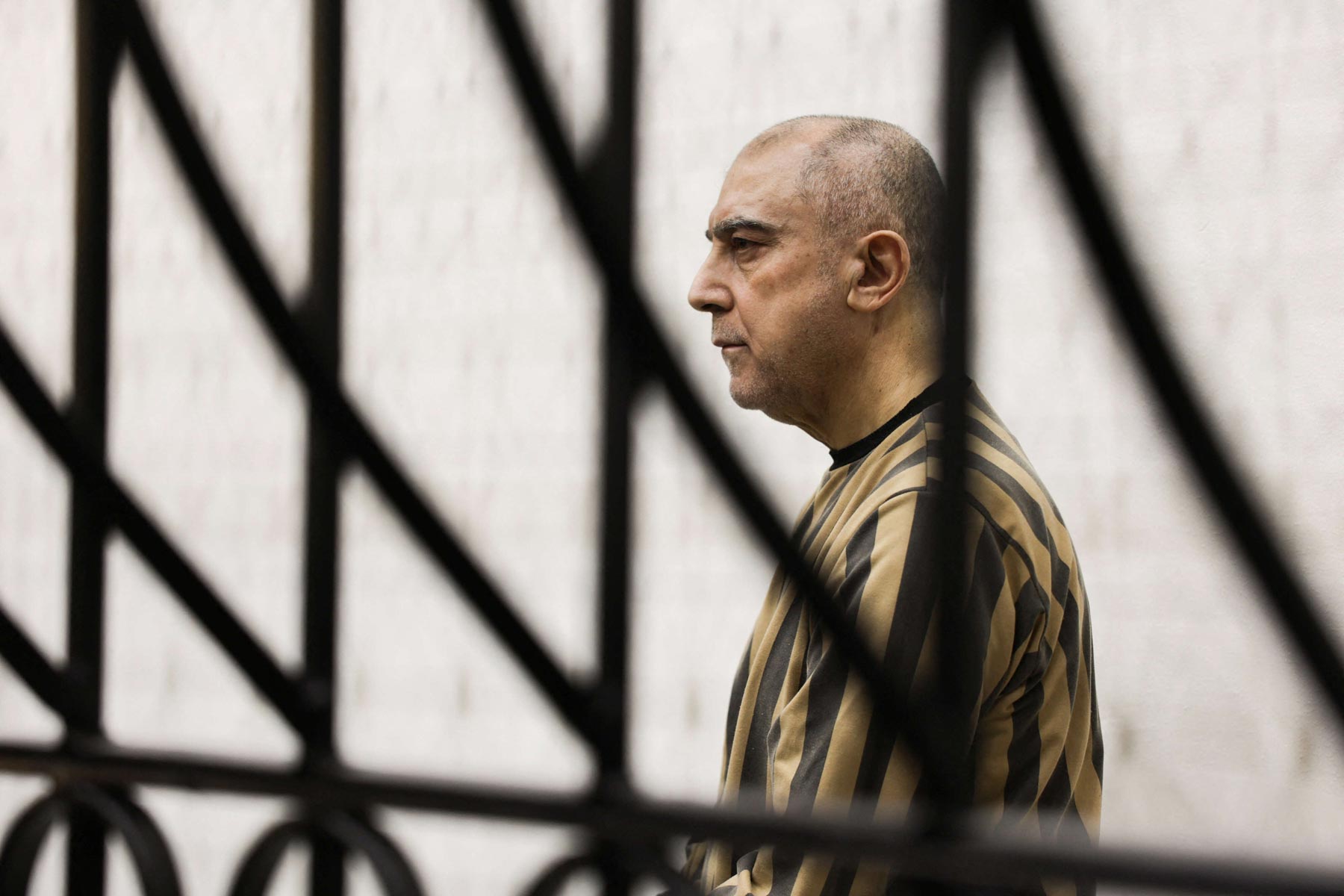
Atif Najib, a relative of Assad, appeared in court in handcuffs
Syria opens first Assad-era trial as transitional justice process begins
Sharaa said that justice would remain “a major goal pursued by the state and its institutions to ensure fairness for victims, heal wounds, strengthen civil peace and coexistence.”
Monday 27/04/2026
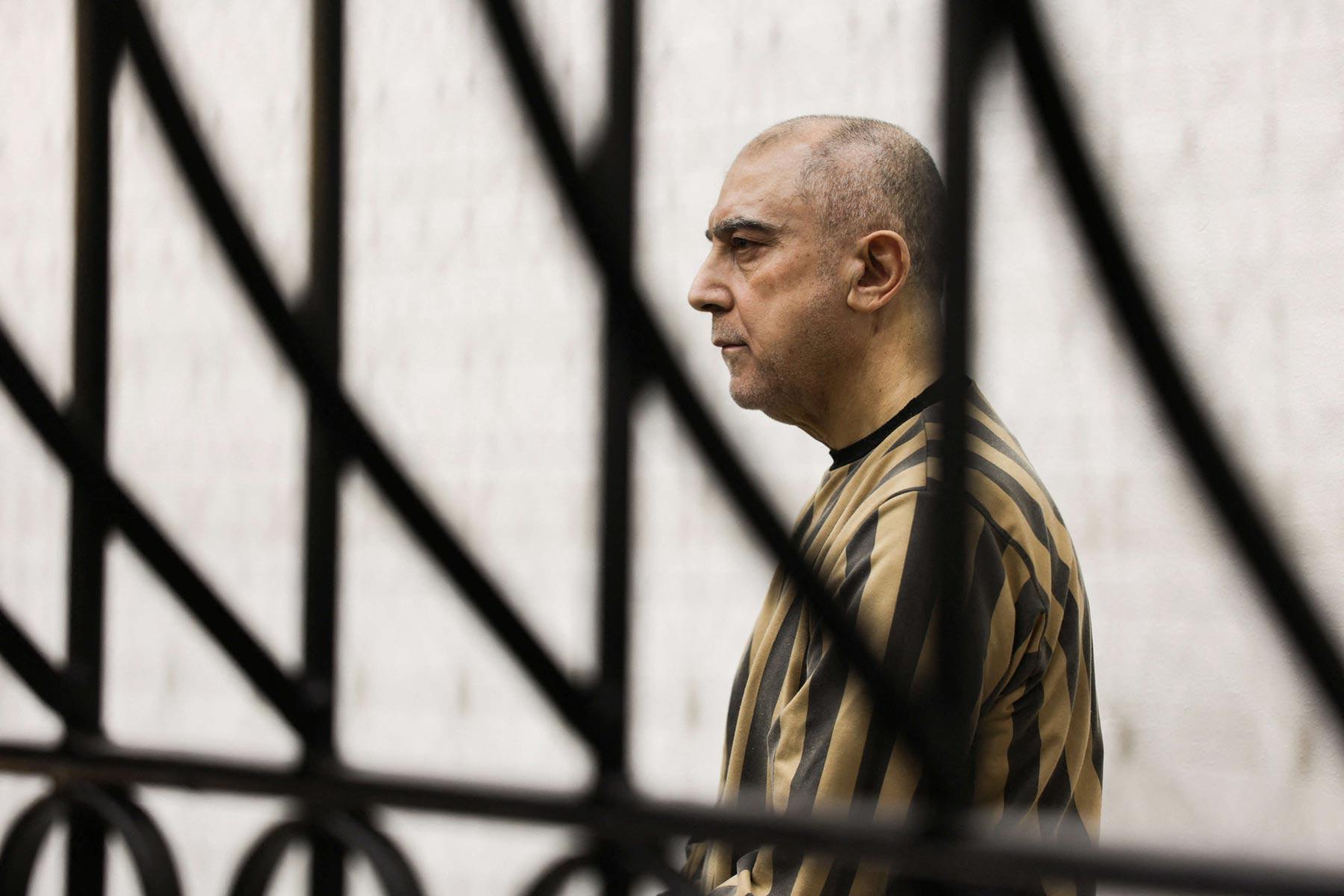
Atif Najib, a relative of Assad, appeared in court in handcuffs
DAMASCUS – A Syrian court on Sunday opened the first hearing in a landmark trial of ousted president Bashar al-Assad and senior figures from his former government, marking the start of a long-promised transitional justice process following the collapse of his rule.
Assad and his brother Maher al-Assad, who fled Syria in December 2024 as opposition forces advanced on Damascus, are being tried in absentia. Former security official Atif Najib, a relative of Assad, appeared in court in handcuffs.
“Today we begin the first trials of transitional justice in Syria,” judge Fakhr al-Din al-Aryan said at the opening of the session, which he said included “a defendant in custody … as well as defendants who have fled justice.”
The hearing was limited to preparatory legal and administrative procedures, with the court scheduling a second session for May 10. Najib was not questioned during Sunday’s proceedings.
Najib, who headed the political security branch in Daraa, is accused of overseeing arrests and repression in 2011 that helped spark the uprising against Assad’s rule. He was detained in January 2025 after the fall of the government.
Judicial sources said additional defendants to be tried in person include Wassim al-Assad and former grand mufti Ahmed Badreddin Hassoun, along with other military and intelligence officials arrested in recent months.
Under Syrian law, trials in absentia allow courts to proceed against fugitives after due notification. Judges can issue verdicts and rule on compensation claims even if defendants do not appear.
The proceedings are the first public trials targeting the upper echelons of the former regime and come as Syria’s new leadership seeks accountability for atrocities committed during a conflict that killed more than 500,000 people and displaced millions.
President Ahmed al-Sharaa said on Sunday that justice would remain “a major goal pursued by the state and its institutions to ensure fairness for victims, heal wounds, strengthen civil peace and coexistence.”
The courtroom session drew victims’ relatives, as well as Arab and international lawyers and journalists, reflecting the high-profile nature of the case and its significance for Syrian society.
Analysts say the trial could mark the beginning of a broader and complex judicial process, as many former officials remain outside the country and political and security considerations continue to shape the transitional justice agenda.
The move highlights growing efforts by Syria’s new authorities to address the legacy of mass detentions, enforced disappearances and alleged torture, issues that remain central to demands for accountability more than a decade after the conflict began.