


Prices increasing sharply
Trump signals energy measures after dismissing concerns over prices
Analysts warn that sustained increases could become a liability for Republicans ahead of the November midterm elections, when control of the US Congress will be contested.
Friday 06/03/2026
Prices increasing sharply
WASHINGTON – President Donald Trump said on Thursday that further steps to ease pressure on energy markets were imminent, while claiming that Iran had begun reaching out to negotiate amid ongoing US and Israeli strikes.
Speaking at a White House event with the football club Inter Miami CF, Trump said Tehran had made contact in search of a deal as the conflict enters its second week.
“They’re calling to ask how to make a deal,” Trump said, adding that the United States was prepared to shape what he described as “a new and better Iran.”
In an unusually direct appeal, the president also urged Iranian diplomats posted around the world to seek asylum and contribute to rebuilding the country’s political future.
“They should ask for asylum and help shape a new and better Iran,” he said.
Fuel prices secondary to military campaign
Despite a sharp rise in oil prices since the start of the war, Trump insisted he was unconcerned about the impact on American motorists, saying the military campaign against Iran remained his top priority.
“I don’t have any concern about it,” Trump told Reuters in an interview when asked about rising gasoline prices. “They’ll drop very rapidly when this is over, and if they rise, they rise, but this is far more important than having gasoline prices go up a little bit.”
The remarks mark a shift in tone for the president, who only weeks ago highlighted falling fuel prices during his State of the Union address and at an energy-focused rally in Texas held hours before the United States launched its first strikes on Iran.
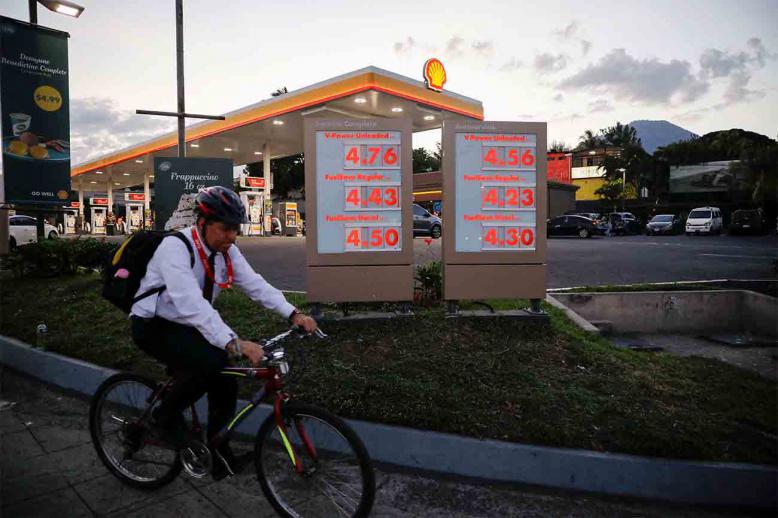
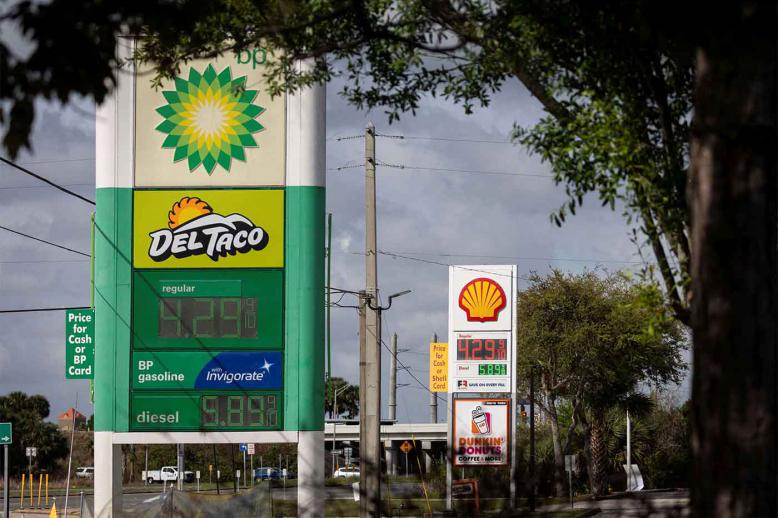
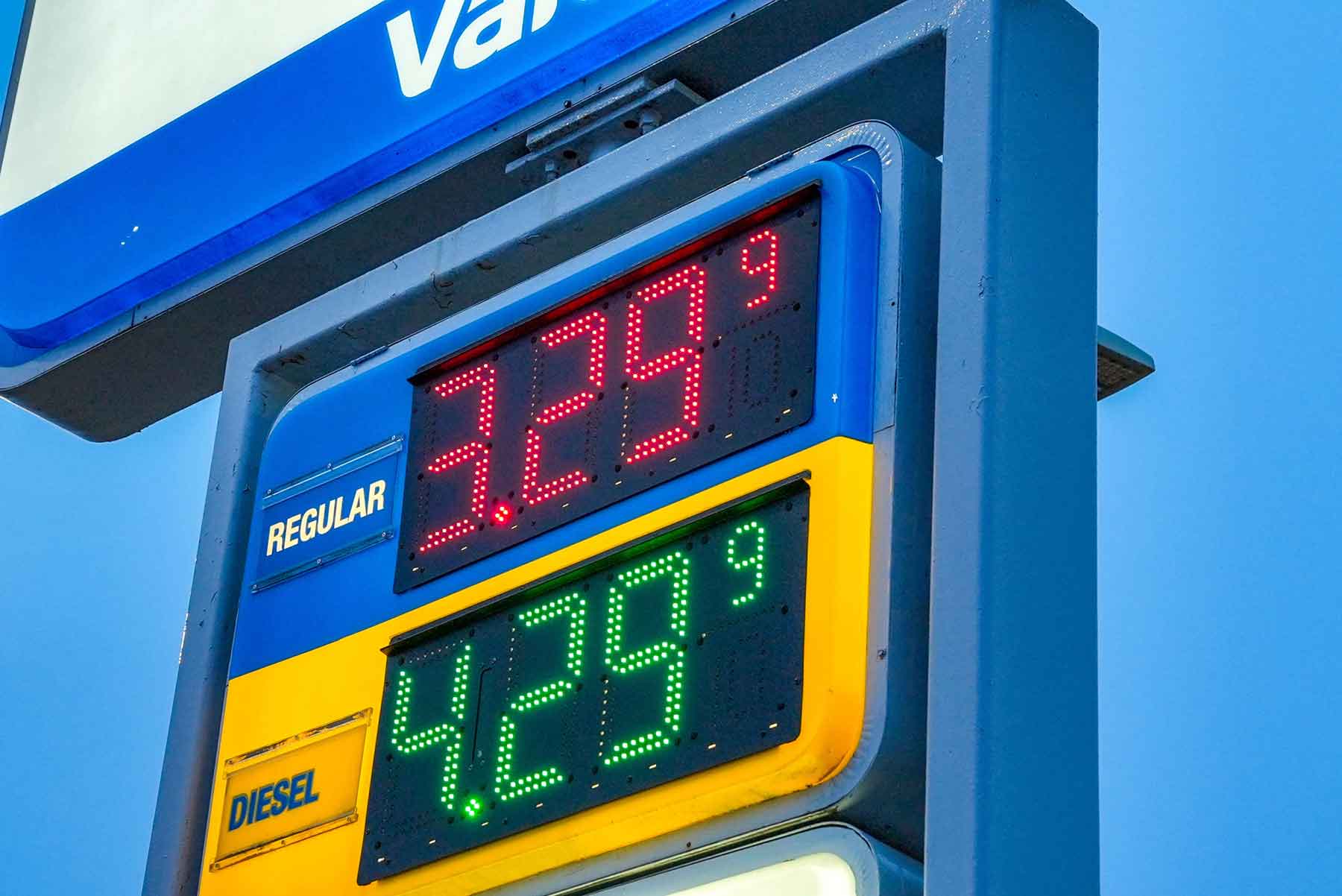
Since the conflict began, global oil prices have jumped roughly 16 percent as markets reacted to the threat of disruption to Middle East supplies. In the United States, the national average gasoline price has risen by 27 cents over the past week to about $3.25 per gallon, according to the travel organisation AAA (American Automobile Association).
Trump nevertheless dismissed the increase as modest, saying prices “haven’t risen very much.”
White House weighing energy options
Behind the scenes, the administration is exploring ways to contain the economic fallout from the conflict.
White House Chief of Staff Susie Wiles and Energy Secretary Chris Wright have held discussions with oil industry executives to assess possible steps to stabilise markets, according to White House press secretary Karoline Leavitt.
Officials are considering several measures, including a temporary federal gasoline tax holiday and easing environmental rules governing summer fuel blends to allow higher ethanol content, according to people familiar with the internal deliberations.
Another option under discussion has been releasing crude from the United States’ emergency stockpile, the Strategic Petroleum Reserve, the largest in the world. Trump, however, ruled out tapping the reserve for now.
The president also expressed confidence that the Strait of Hormuz, a vital artery for global oil shipments near Iran’s coast, would remain open.
“I’m not worried about that,” he said, adding that Iran’s navy was now at the “bottom of the sea.”
Market caution
Energy advisers inside the administration have counselled patience, telling Trump’s aides that the initial reaction in fuel markets has been less severe than many analysts feared.
According to two sources familiar with the discussions, advisers warned that premature government intervention could unsettle markets if it failed to quickly bring down prices.
US Secretary of State Marco Rubio said earlier this week the administration was preparing a package of measures to counter rising energy costs. So far, the only concrete initiative announced has been US-backed risk insurance for oil tankers and the possibility of naval escorts to safeguard shipping through the Strait of Hormuz.
Industry executives say the government has limited tools to rapidly lower energy prices.
“When you look across the menu of policy options … they can be helpful, but they don’t move the needle far,” one energy executive said. “The primary focus is to do whatever they can to restore transits through the Strait of Hormuz.”
Political risks
The surge in fuel prices comes at a delicate political moment for the White House. Analysts warn that sustained increases could become a liability for Republicans ahead of the November midterm elections, when control of the US Congress will be contested.
Voters are already grappling with high living costs, and the economy remains a key issue in domestic politics.
Even so, senior Republicans have sought to play down the risks. House Speaker Mike Johnson dismissed concerns over rising petrol prices this week, even as the party prepares to campaign on its economic record.
Trump has suggested the military campaign against Iran could last four to five weeks, though military and political analysts say the timeline remains uncertain and the administration has yet to clearly articulate its long-term objective as the conflict continues to widen across the Middle East.
For now, the White House is betting the war, and the economic shock accompanying it, will prove temporary.