

A cult show reborn through memory and AI
Tunisia’s ‘Chams Alik’ lives again in powerful documentary
Long before the rise of social media, the programme carved out a rare space for free expression, leaving a lasting imprint on Tunisia’s youth.
Wednesday 01/04/2026
A cult show reborn through memory and AI
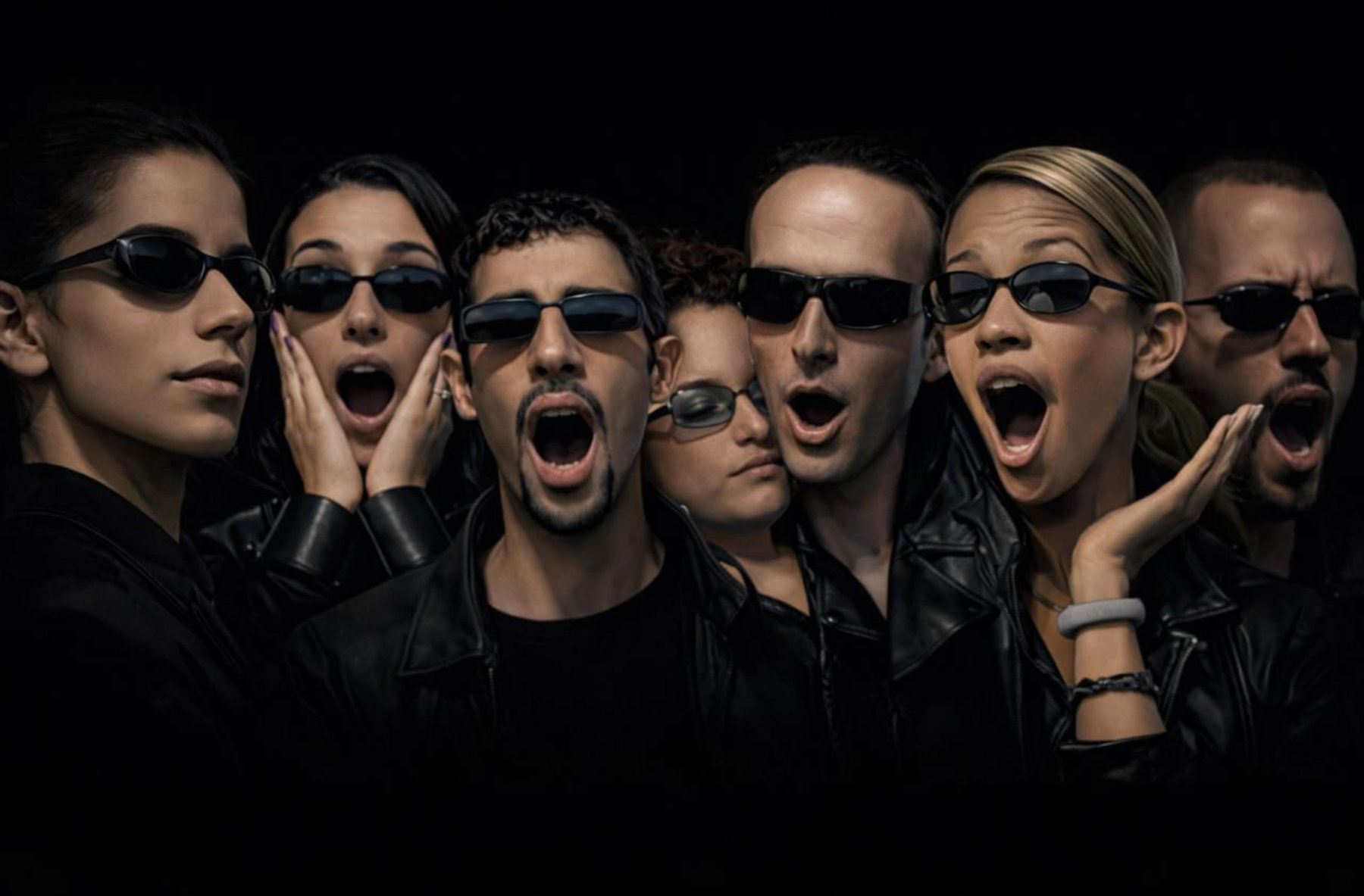
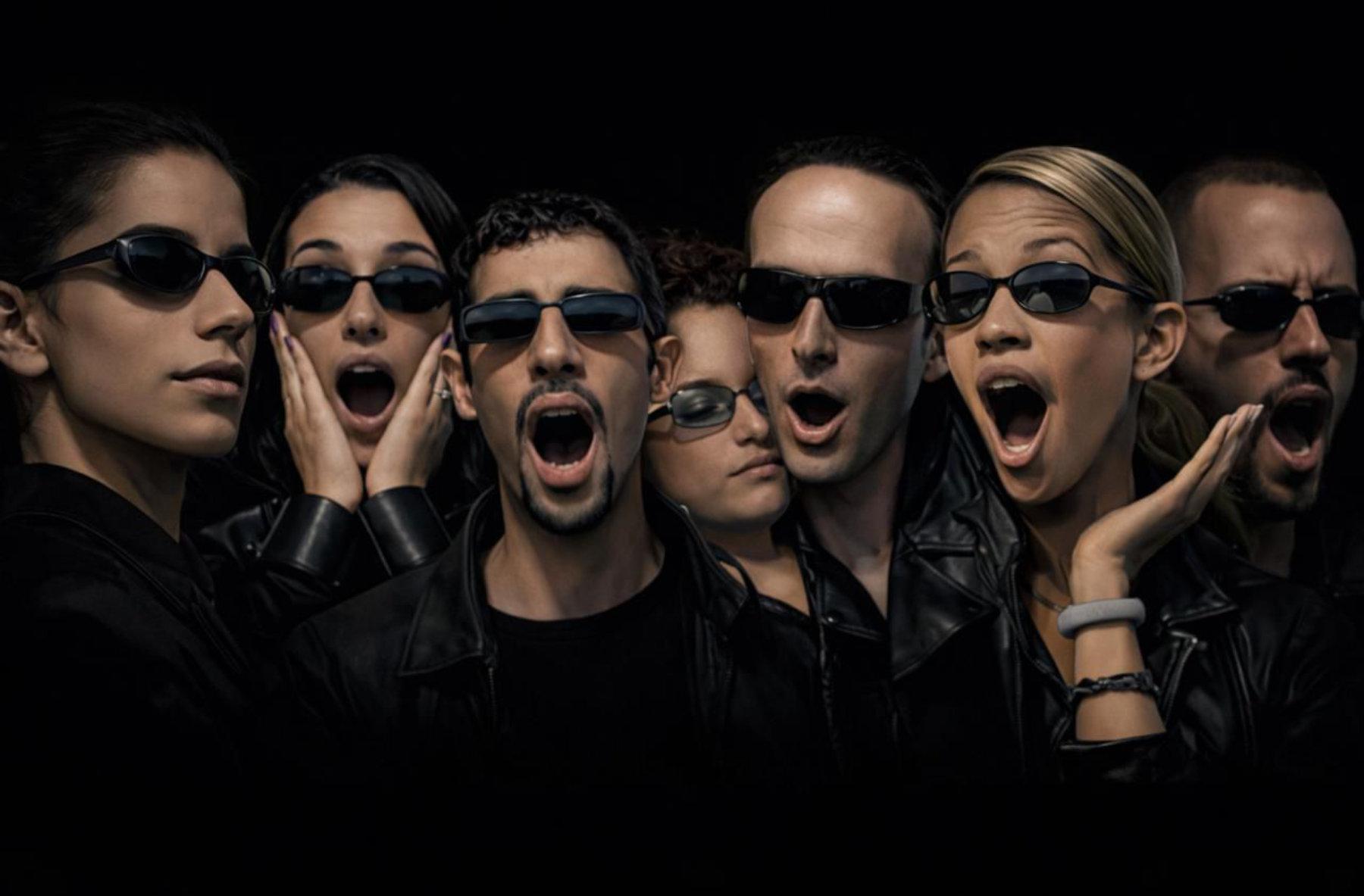
TUNIS – A groundbreaking Tunisian television show that once pushed the limits of expression under dictatorship is finding new life on the big screen, as filmmaker and actor Nejib Belkadhi revives “Chams Alik” for a new generation.
Originally broadcast in the early 2000s on Canal Horizon, “Chams Alik” became a cultural phenomenon, remembered for its bold, unconventional tone and its refusal to shy away from taboo subjects, even at a time when censorship dominated public discourse under Zine El Abidine Ben Ali.
Long before the rise of social media, the programme carved out a rare space for free expression, leaving a lasting imprint on Tunisia’s youth.
That legacy was palpable in Tunis, where the premiere of a new documentary dedicated to the show was met with both laughter and emotion.
Nearly three decades after the first episode aired, Belkadhi and his team have returned to hours of archived footage, much of it preserved on VHS tapes and never previously restored.
“It is artificial intelligence that allows us today to restore these images and move from standard definition to a 4K format suitable for the big screen,” Belkadhi said, highlighting how new technologies are breathing life into the past.
At its core, “Chams Alik” was more than just entertainment. Belkadhi and his fellow performers, actors and comedians, took to the streets of Tunisia, conducting offbeat interviews that blended humour with sharp social commentary.
Beneath its playful surface lay a deeper narrative, one that challenged the tightly controlled media landscape of the time.
“Behind its quirky, satirical tone, there was always a second layer,” Belkadhi explained.
“We focused on forgotten people. Back then, we were not allowed to talk about marginalised communities, unemployment, racism or illegal migration. We took a camera and a microphone and went into underprivileged neighbourhoods, but always with humour. That’s what allowed us to continue despite censorship.”
Some episodes inevitably crossed red lines and were censored, including one addressing regionalism. The show ultimately came to an end after three seasons, following the withdrawal of Canal Horizon from Tunisia. Yet its influence endured.
For Sawssen Maalej, one of the programme’s original cast members, revisiting the footage today carries a powerful resonance.
“With hindsight, we realise we were doing something quite resistant, even subversive,” she said. “It’s a tone we have lost in today’s media.”
The film is set to tour cinemas across Tunisia before being released online, making its newly digitised archive accessible to a wider public.
In doing so, it not only revives a cult television moment but also rekindles a conversation about freedom of expression, one that continues to resonate in Tunisia’s evolving cultural and political landscape.