

A need for structural reforms
Tunisia’s national carrier ramps up fleet in urgent recovery drive
By the end of 2026, the government aims to expand the fleet to 18 aircraft, with a longer-term target of 21 planes, a threshold officials say is necessary to achieve financial equilibrium.
Tuesday 21/04/2026
A need for structural reforms
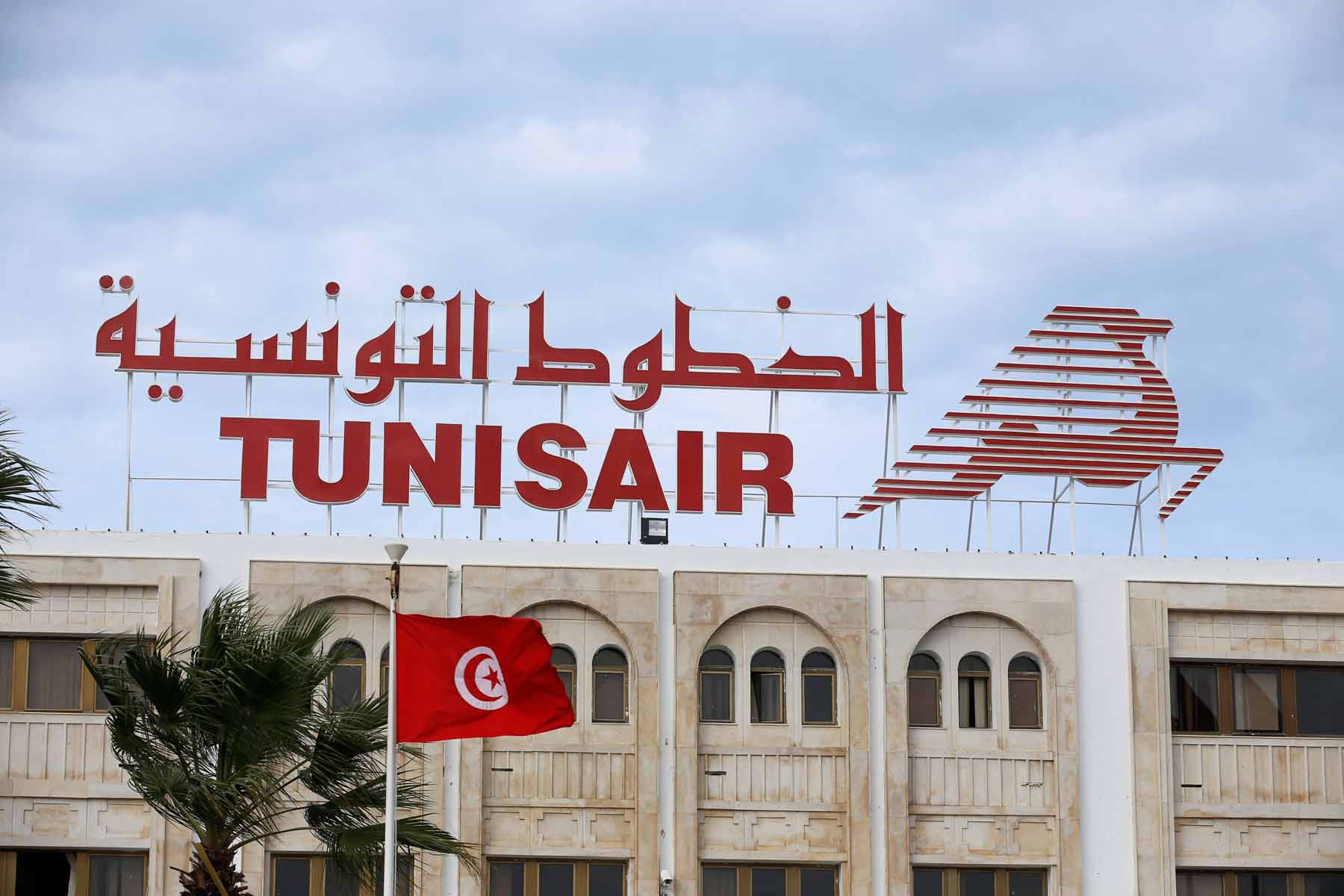
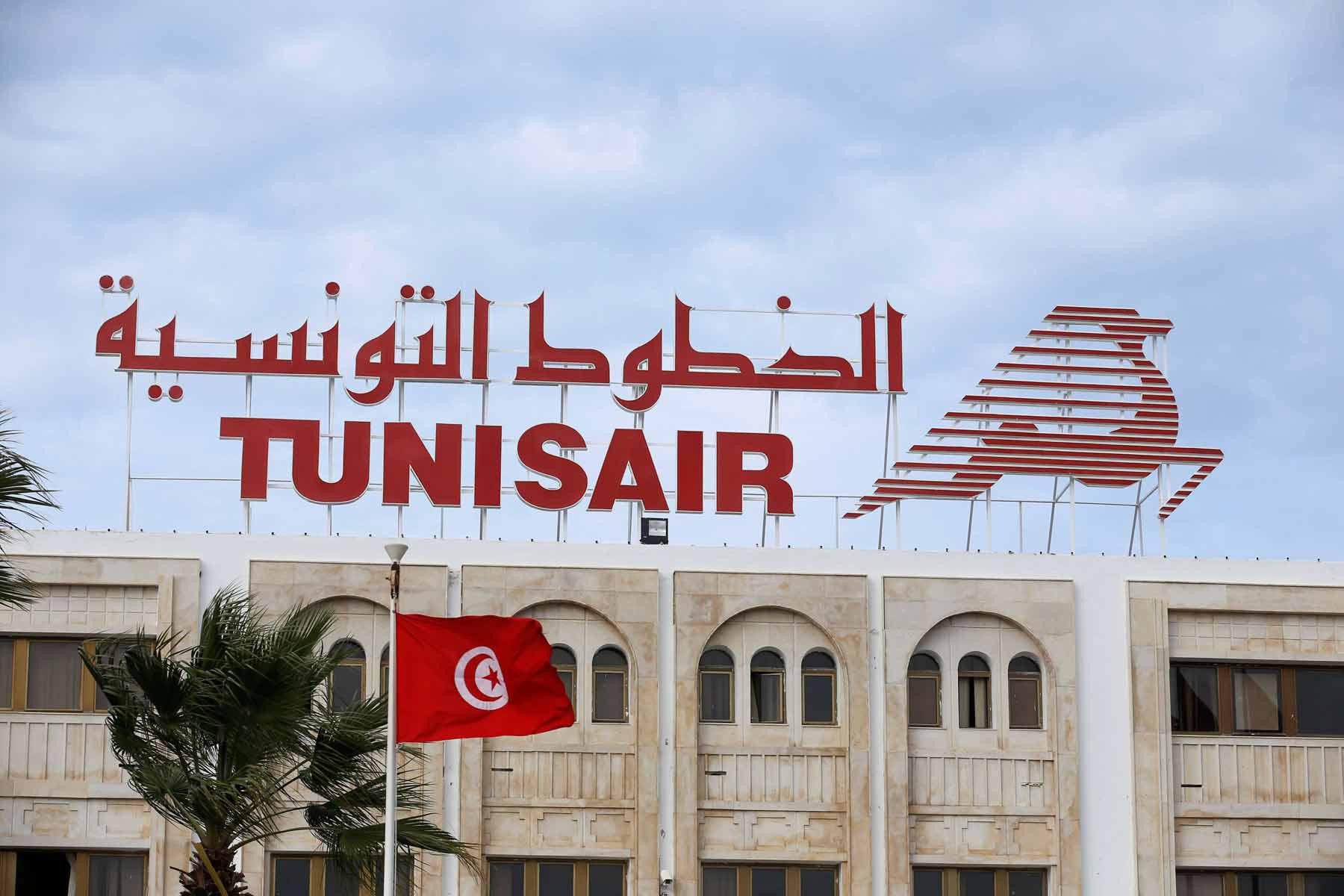
TUNIS – Tunisia’s national carrier Tunisair is showing early signs of operational recovery, but its path to financial stability remains fraught, as authorities attempt to reverse years of mismanagement and mounting debt through an urgent restructuring plan.
Speaking before parliament, Transport Minister Rachid Amri outlined a gradual improvement in the airline’s fleet, with 12 aircraft currently in service, a notable increase from the six to seven operational planes he said he found upon taking office. Two additional aircraft are undergoing maintenance and are expected to rejoin the fleet by the end of the month, raising the total to 14, before climbing further to 16 in June.
The return of aircraft, including Airbus A320 and A330 models following engine repairs, has helped stabilise flight schedules and restore a degree of operational continuity after months of disruption. By the end of 2026, the government aims to expand the fleet to 18 aircraft, with a longer-term target of 21 planes, a threshold officials say is necessary to achieve financial equilibrium.
This recovery in capacity lies at the core of what the minister described as an “urgent rescue programme,” designed to maximise aircraft utilisation, generate revenues and fund costly maintenance, particularly engine repairs. The strategy reflects a direct link between operational scale and economic viability in a sector where fixed costs remain high.
Yet behind these improvements lies a far more complex financial reality. The airline is burdened with debts estimated at around 2.6 billion dinars, severely constraining its ability to invest or secure financing. According to the minister, the company is currently unable to access loans, underscoring the erosion of confidence among financial partners.
Efforts are under way to rebuild credibility, including updating long-delayed financial statements. Accounts for 2021 and 2022 have been validated, while those for subsequent years are expected to be finalised in 2026, a step seen as essential to restoring the airline’s “bankability” and reopening access to credit.
The crisis extends beyond the flagship carrier. Several subsidiaries within the group, including ground handling, catering and reservation services such as Amadeus, have also faced financial strain, though officials say most are now on a path to recovery. One notable exception remains Tunisair Technics, which is still undergoing gradual improvement.
Operational indicators have nonetheless improved. Safety and compliance metrics, which had previously reached concerning levels, have reportedly returned to more acceptable thresholds, allowing some grounded aircraft to resume service and improving overall reliability.
However, structural challenges persist. High maintenance costs, particularly for engines, continue to weigh heavily on operations, while the broader governance of the company, still under direct state control, raises questions about the pace and depth of reform.
The situation is even more acute at Tunisair Express, where losses continue despite relatively high ticket prices, highlighting inefficiencies in the business model. Plans are in place to deploy additional medium capacity aircraft in an attempt to improve performance, but the outlook remains uncertain.
Ultimately, the government’s strategy hinges on restoring operational capacity as a gateway to financial recovery. But analysts caution that expanding the fleet alone will not resolve deeper issues tied to debt, governance and cost control.
The turnaround of Tunisair is therefore shaping up as a broader test of state-led reform in Tunisia. Between an inherited regrettable situation and ambitious recovery targets, the airline’s future will depend not only on how many aircraft return to the skies, but on whether structural reforms can take hold in a constrained financial environment.