


The shifting landscape has left Erdogan navigating a narrow path
Turkey walks tightrope as US-Israel war on Iran reshapes region
Since the collapse of the Ottoman Empire, Turkish policymakers have generally prioritised neutrality in major conflicts, including World War II, to avoid entanglement in costly wars.
Thursday 30/04/2026
The shifting landscape has left Erdogan navigating a narrow path
WASHINGTON – Since the outbreak of the US-Israeli war against Iran in late February, Turkey has worked carefully to keep its distance, seeking to preserve a delicate neutrality shaped by both history and present-day constraints.
Ankara’s cautious stance reflects lessons drawn from its modern history. Since the collapse of the Ottoman Empire after World War I, Turkish policymakers have generally prioritised neutrality in major conflicts, including World War II, to avoid entanglement in costly regional and global wars.
That instinct has resurfaced amid the current conflict. According to Turkish analyst Asli Aydintasbas in an analysis published by Foreign Affairs, the war has forced Ankara into a familiar balancing act, though under far more complex geopolitical conditions.
Turkey aspires to play a larger international role but lacks the economic and military weight to shape outcomes on its own terms. As a result, its relations with key actors remain highly sensitive. Ties with the United States are still being recalibrated, while relations with Israel have deteriorated sharply in recent years.
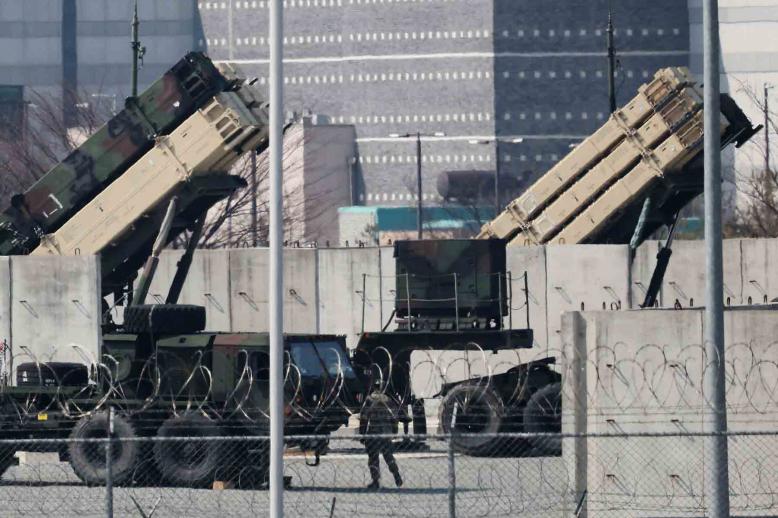
At the same time, Turkey continues to rely on external security guarantees. During the conflict, missiles targeting a NATO radar system and the Incirlik Air Base were intercepted not by Turkish systems but by NATO forces, underlining Ankara’s dependence on allied defence capabilities.
Determined to avoid direct involvement, Turkey neither supported the US-Israeli campaign nor allowed its airspace to be used for strikes on Iran. This restraint also reflects Ankara’s complex relationship with Tehran. While historically a rival, Iran remains a crucial neighbour, and Turkish leaders had spent the early months of 2026 attempting to revive nuclear diplomacy between Tehran and the administration of US President Donald Trump.
Ankara feared that war could unleash a wave of refugees, disrupt trade routes and further strain its already fragile economy. “Much to Turkey’s chagrin, the United States and Israel did end up attacking Iran. Ankara is now doing its best to avoid getting sucked into the war’s vortex,” Aydintasbas wrote.
Despite its neutrality, Turkey is unlikely to escape the fallout. The conflict threatens to upset its fragile relationship with Iran, complicate its domestic peace process with Kurdish groups, and reinforce Israel’s growing regional dominance, seen in Ankara as a strategic challenge.
The war has already exposed the fragility of Turkey’s tentative rapprochement with the Kurdistan Workers’ Party. The process had gained momentum in 2025 after imprisoned Kurdish leader Abdullah Ocalan called for a ceasefire, raising hopes of a long-term settlement. However, progress has stalled amid regional instability and delays in implementing key legal reforms.
For President Recep Tayyip Erdogan, maintaining calm on the Kurdish front is also politically crucial. He is expected to rely on pro-Kurdish parliamentary support to amend the constitution and potentially extend his rule. Yet the prospect of renewed unrest, particularly if Kurdish factions become entangled in the Iran conflict, poses a serious risk to those ambitions.
Turkish concerns briefly spiked when Trump floated the idea of leveraging Iranian Kurdish opposition groups to ignite an internal uprising in Iran. The proposal raised fears in Ankara of a repeat of tensions from a decade ago, when Washington armed Kurdish forces in Syria linked to the PKK. Those fears have since eased, with Kurdish factions reportedly opting to stay out of the current war.
Meanwhile, Ankara is increasingly wary of Israel’s expanding regional footprint and influence in Washington. Once close partners in the 1990s and early 2000s, Turkey and Israel now view each other with growing suspicion.
The ongoing war in Gaza Strip has deepened the rift, while Israel’s military actions in Lebanon and Syria following the fall of Bashar al-Assad have reinforced its position as a dominant regional power.
Many Turkish analysts now believe Israel’s campaign against Iran may be partly aimed at containing Turkey itself. Israeli strikes on Syrian airbases that Ankara had considered using, along with deepening defence cooperation between Israel, Greece and Cyprus, are seen in Ankara as moves designed to counter Turkish influence.
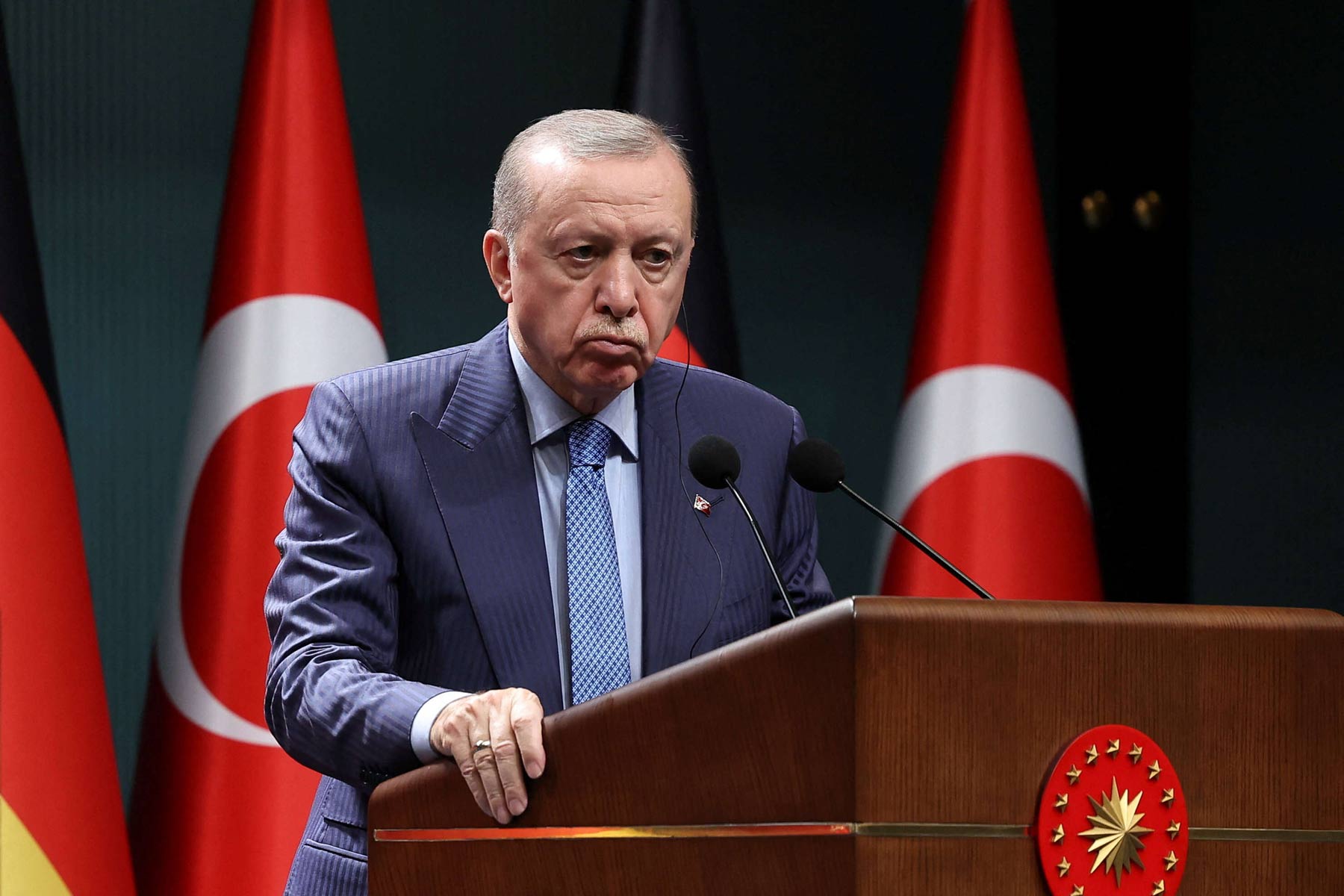
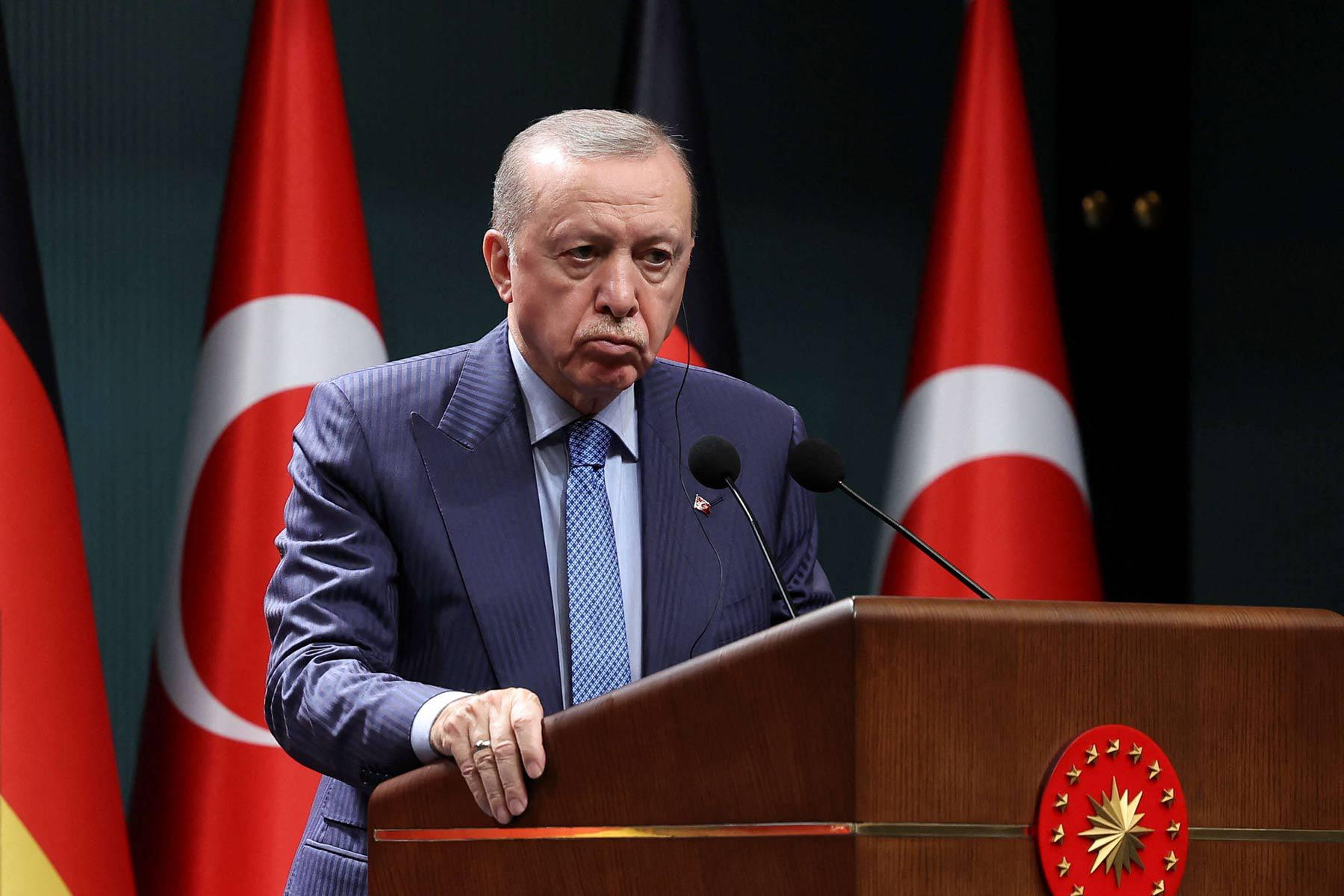
This shifting landscape has left Erdogan navigating a narrow path. While Turkey does not favour Iranian dominance in the region, it is equally wary of a new regional order shaped by Israeli military superiority and unpredictable US policies.
Caught between rival powers and overlapping crises, Ankara’s strategy remains one of cautious distance, seeking to avoid direct confrontation while bracing for the far-reaching consequences of a conflict it cannot control.