

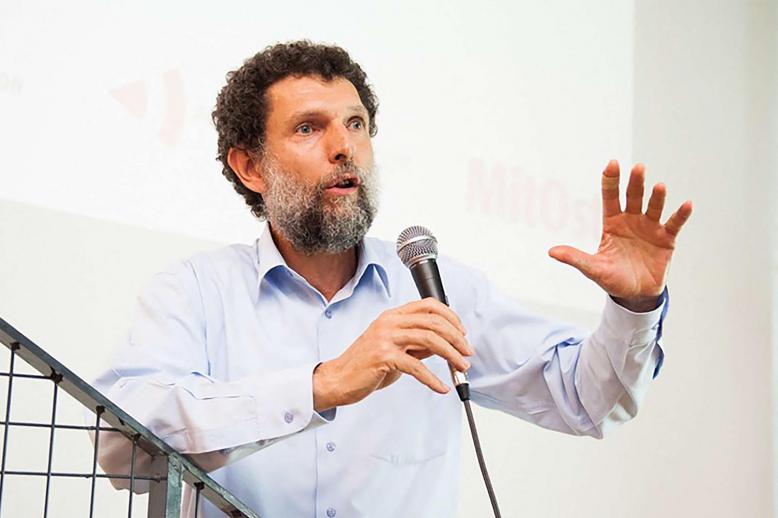
Kavala is the founder of a nonprofit organization, Anadolu Kultur
Turkish court sentences philanthropist to life in prison
Kavala has been sentenced to life in prison for attempting to overthrow Erdogan’s government by financing 2013 nationwide protests.
Monday 25/04/2022
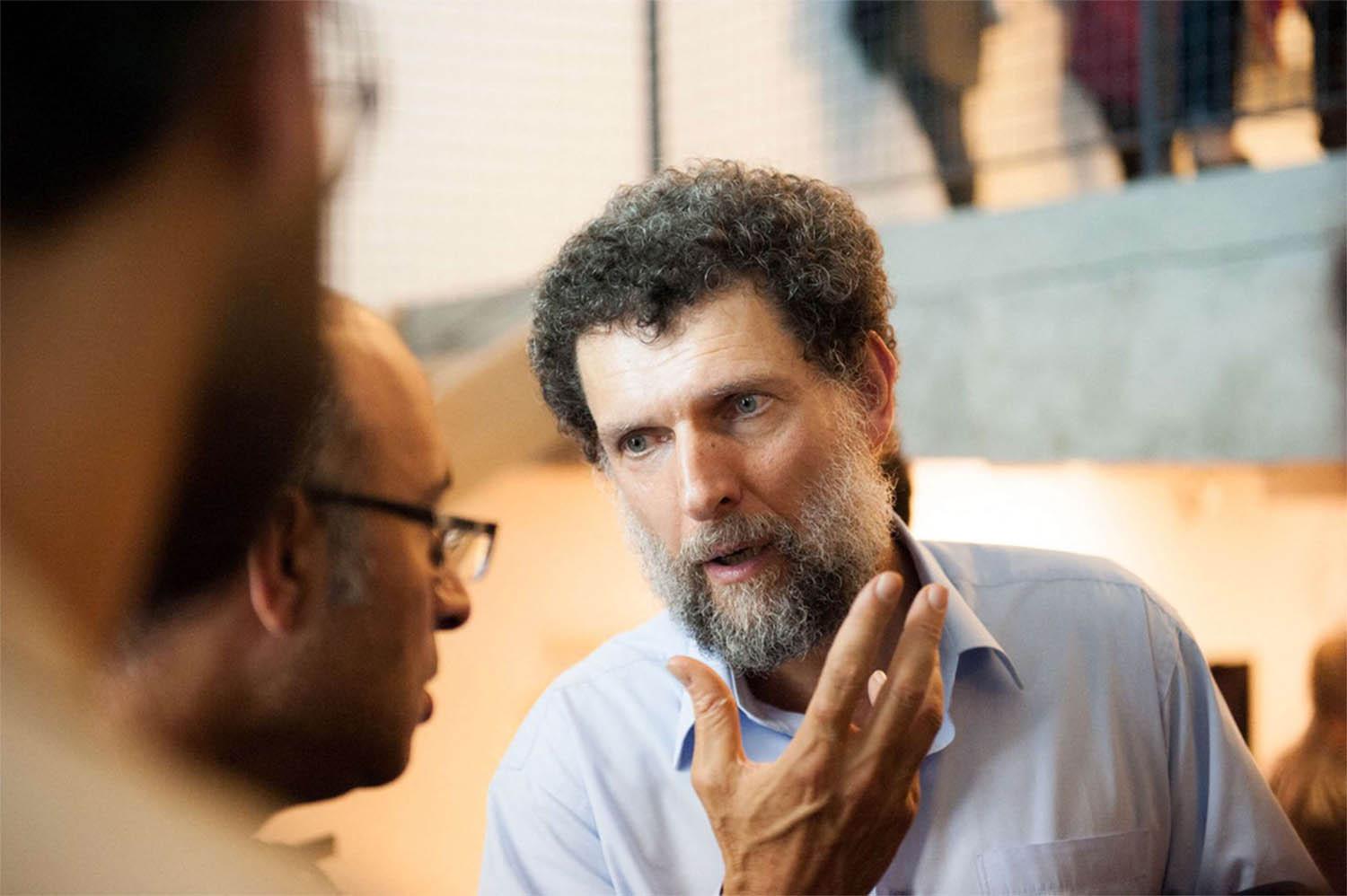
Kavala is the founder of a nonprofit organization, Anadolu Kultur
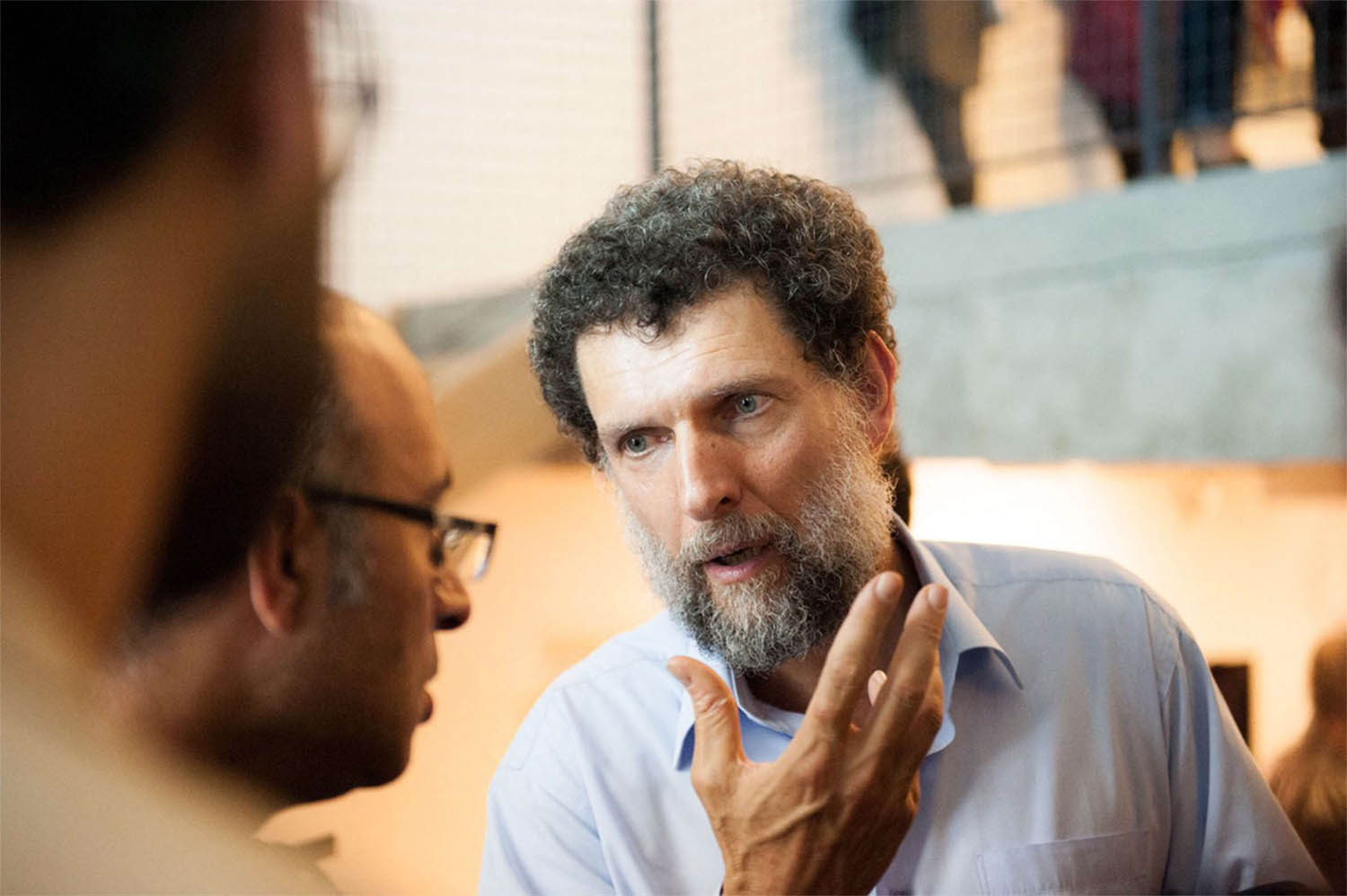
ISTANBUL - A Turkish court sentenced philanthropist Osman Kavala to life in prison on Monday finding him guilty of attempting to overthrow the government by financing 2013 nationwide protests, in a case that Europe's top court and Ankara's Western allies said was politically motivated.
Kavala, 64, has been jailed in Silivri prison, on the outskirts of Istanbul, since he was detained October 18, 2017, accused of financing the protests. The businessman and other defendants have denied all accusations against them.
In his final defense statements on Friday, Kavala rejected the accusations once again, insisting that he had merely taken pastries and face masks bought from a pharmacy to the protesters. He said claims that he directed the protests are “not plausible.”
“The fact that I spent 4.5 years of my life in prison is an irreparable loss for me. My only consolation is the possibility that my experience will contribute to a better understanding of the grave problems of the judiciary,” Kavala told the court by videoconference from Silivri.
Kavala was initially acquitted in February 2020 of charges that connected him with the 2013 Gezi Park protests. As supporters awaited his release, Kavala was rearrested on new charges linking him to a 2016 coup attempt. The acquittal was later overturned and the case was merged with that relating to the coup attempt, which the Turkish government blames on the network of US-based Muslim cleric Fethullah Gulen.
In October, Kavala’s continued detention sparked a diplomatic crisis between Turkey and 10 Western countries, including the United States, France and Germany, after they called for his release on the fourth anniversary of his imprisonment.
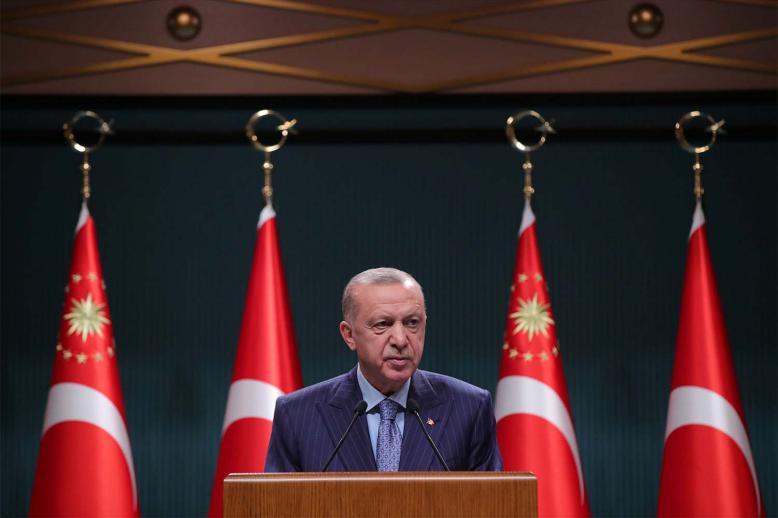
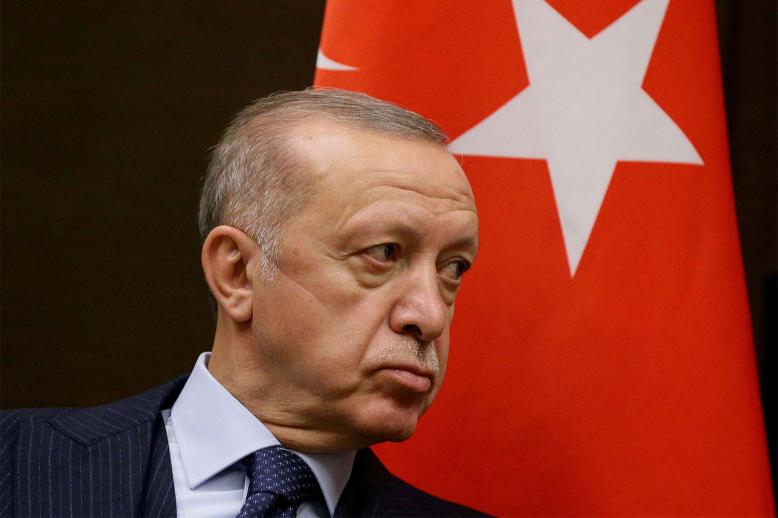
Turkish President Recep Tayyip Erdogan has accused Kavala, of being the “Turkish branch” of billionaire US philanthropist George Soros, whom the Turkish leader alleges has been behind insurrections in many countries. He threatened to expel Western envoys for meddling in Turkey’s internal affairs.
The European Court of Human Rights’ 2019 decision said Kavala’s imprisonment aimed to silence him and other human rights defenders and wasn’t supported by evidence of an offense.
The lengthy infringement process by the Council of Europe, a 47-member bloc that upholds human rights, could lead to the suspension of Turkey’s voting rights or membership in the organization.
Erdogan has dismissed the infringement process, saying Turkey would not “recognize those who do not recognize our courts.” Turkey argues that Kavala’s ongoing detention is linked to the 2016 attempted coup and not the previous charges that were reviewed by the European court.
Kavala is the founder of a nonprofit organization, Anadolu Kultur, which focuses on cultural and artistic projects promoting peace and dialogue.
The 2013 protests started as opposition to the planned development of a shopping mall on the site of the small park in central Istanbul and soon grew into a nationwide protest against Erdogan, who was prime minister at the time.