




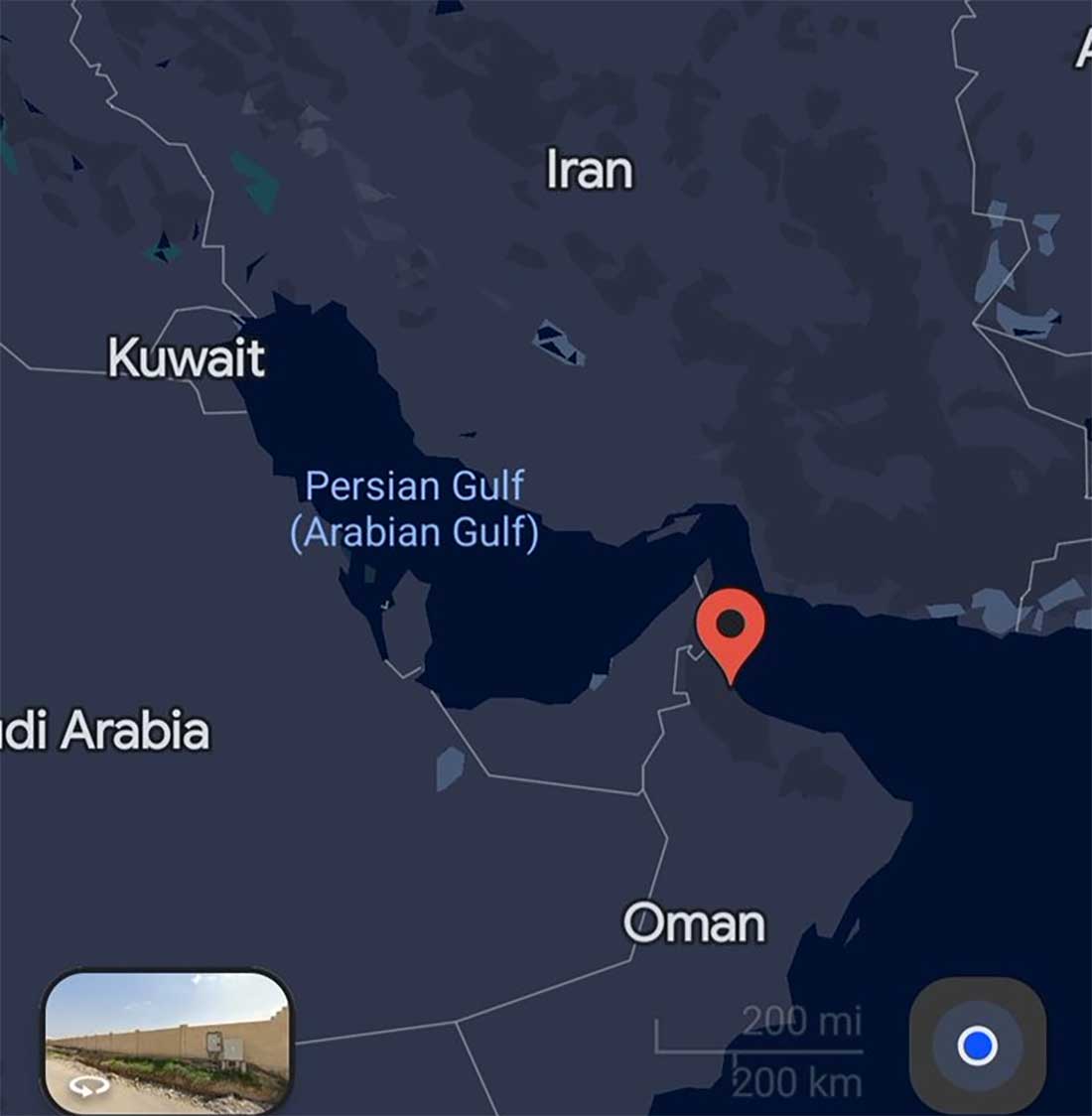
The Sohar incident marks Oman’s first confirmed fatalities in the current wave of Iranian missile and drone attacks
Two people killed in Iranian drone attack on Oman
The Omani Ministry of Interior describes Iran’s drone strike on the outskirts of Sohar as a reckless and unprovoked violation of Omani sovereignty.
Friday 13/03/2026
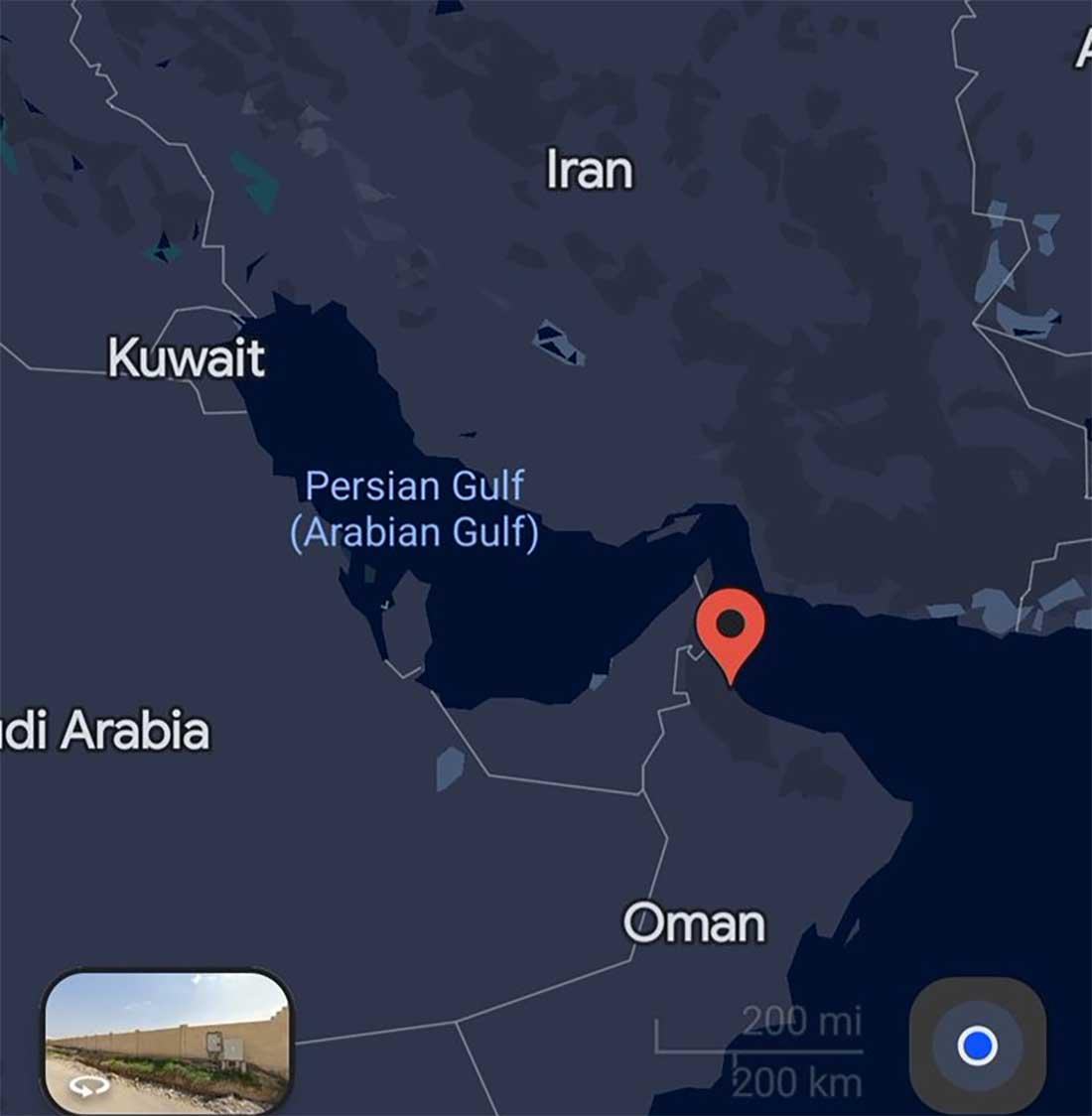
The Sohar incident marks Oman’s first confirmed fatalities in the current wave of Iranian missile and drone attacks
MUSCAT — Two Omani nationals were killed early Friday when an Iranian drone slammed into a commercial warehouse on the outskirts of Sohar province, the latest deadly strike in Tehran’s escalating campaign against Gulf states.
The Omani Ministry of Interior confirmed the fatalities and directly blamed “Iranian aggression” for the attack, which occurred around 2:30 a.m. local time. The drone evaded initial air defences before impacting the facility in the Sohar Industrial Port area, triggering a fire that was quickly extinguished by civil defence teams. No other injuries were reported, and the ministry stated that the warehouse contained non-strategic goods with no impact on oil or gas exports.
In an official statement, Oman’s Foreign Ministry described the strike as “a reckless and unprovoked violation of Omani sovereignty” and called on the international community to condemn Iran’s actions.
“Oman has always pursued peace and dialogue, yet this aggression will not go unanswered,” the statement read. Security forces have sealed the site and launched a full investigation.
The Sohar incident marks Oman’s first confirmed fatalities in the current wave of Iranian missile and drone attacks that began after US-Israeli strikes in late February.
Neighbouring countries have suffered repeated barrages: fuel tanks ablaze in Bahrain’s Muharraq, power lines downed by debris in Kuwait, and multiple strikes on UAE infrastructure. Omani air defences have intercepted numerous threats in recent days, but this drone penetrated deep enough to cause loss of life.
Oil prices remained above $102 per barrel on Friday as markets priced in the risk of wider disruption across the Strait of Hormuz and Gulf shipping lanes. Omani officials, however, stressed that crude production, LNG exports and the Duqm and Sohar ports continue to operate at full capacity.
The attack comes one day after Kuwait’s power outage and Bahrain’s fuel-tank fire, prompting urgent GCC coordination. Oman’s Minister of Foreign Affairs held phone calls with counterparts in the UAE, Saudi Arabia and Bahrain, reaffirming collective defence measures while maintaining the sultanate’s traditional role as a regional mediator.
Despite the tragedy, Omani resilience is already on display. Emergency crews restored normal operations at the industrial zone within hours, and the government has pledged support to the families of the deceased. “Challenges do not break us — they unite us,” a senior official said, echoing the message delivered by Dubai’s Sheikh Hamdan bin Mohammed earlier this week: the Gulf will emerge stronger.
Oman has raised its alert level and reinforced key installations, but authorities insist daily life and economic activity will continue uninterrupted.