

Gargash: Where are the institutions of joint Arab and Islamic action … where are the ‘major’ Arab and regional countries?
UAE adviser criticises Arab, Islamic bodies for inaction on Iran
Gargash questioned the relevance of bodies such as the Arab League and the Organisation of Islamic Cooperation, arguing that their limited response to ongoing Iranian attacks undermines their credibility.
Tuesday 24/03/2026
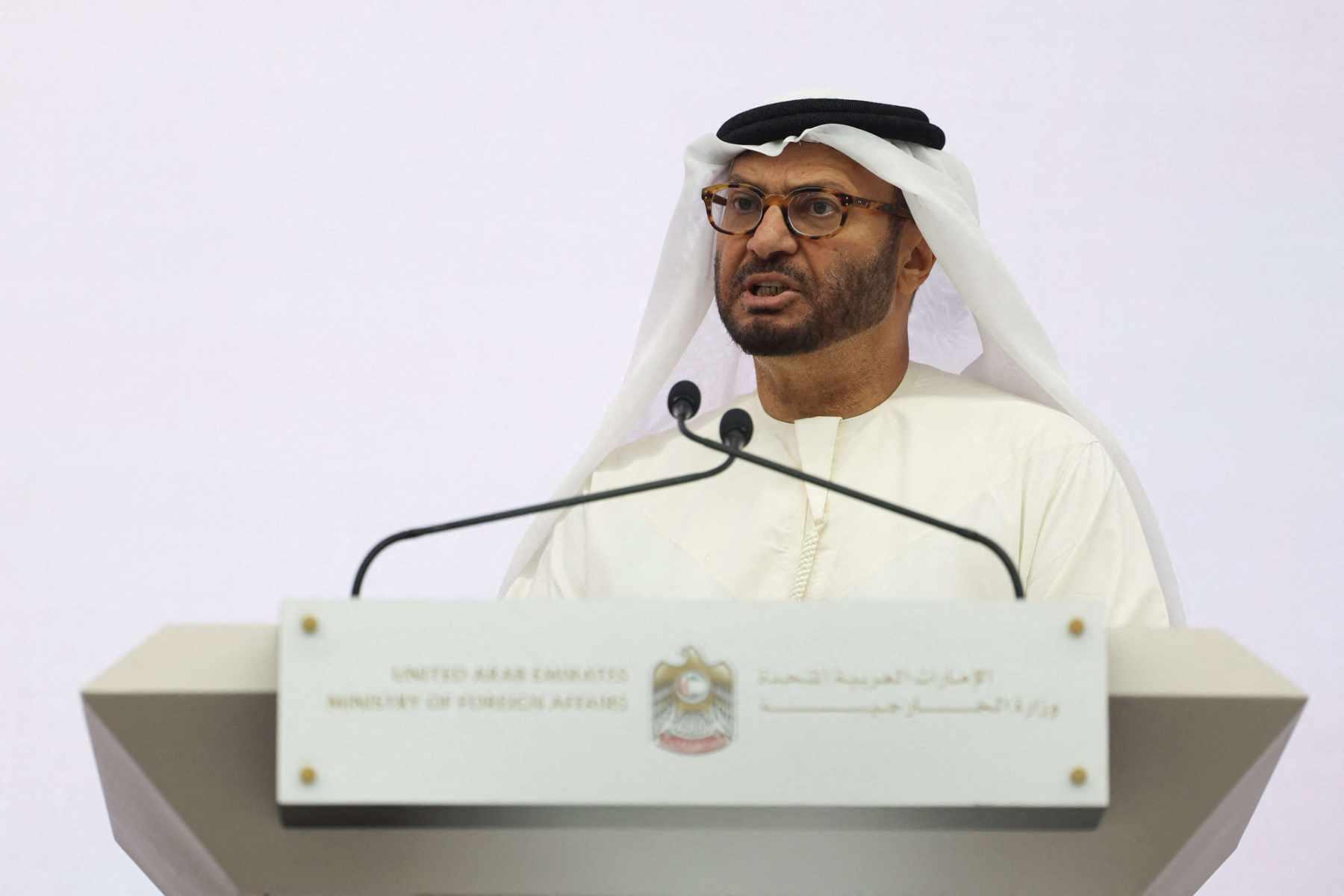
Gargash: Where are the institutions of joint Arab and Islamic action … where are the ‘major’ Arab and regional countries?
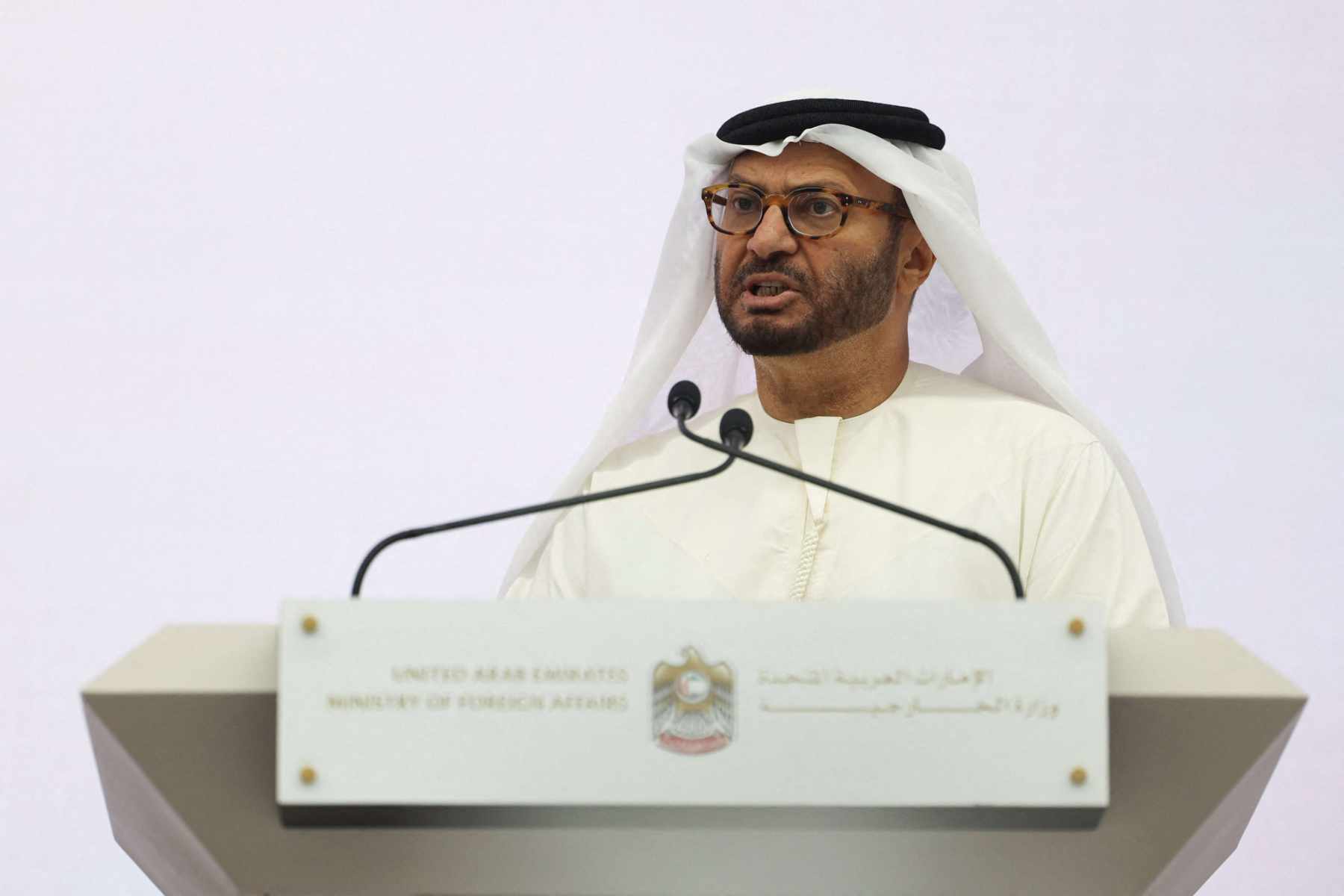
ABU DHABI – Comments by UAE Diplomatic Adviser Anwar Gargash have highlighted a widening gap between Gulf expectations and the perceived effectiveness of Arab and Islamic institutions in responding to escalating regional security threats posed by Iran.
In remarks posted on X, and echoed in statements across multiple reports, Gargash questioned the relevance and responsiveness of bodies such as the Arab League and the Organisation of Islamic Cooperation, arguing that their limited response to ongoing Iranian attacks undermines their credibility.
He stated: “We in the Arab Gulf states have the right to ask: Where are the institutions of joint Arab and Islamic action … where are the ‘major’ Arab and regional countries?” He added that continued inaction would make it difficult to justify future criticism of Western involvement in the region.
The remarks come against the backdrop of intensified hostilities linked to the broader Middle East war, in which Iranian-backed attacks have increasingly targeted Gulf states and maritime infrastructure, prompting a sustained air defence response.
According to UAE defence data cited in official statements, air defences have intercepted hundreds of ballistic and cruise missiles as well as thousands of drones since the start of the escalation. The attacks have resulted in military fatalities and civilian casualties of multiple nationalities, underscoring the cross-border nature of the threat.
The UAE Ministry of Defence has reaffirmed its readiness to confront any threats to sovereignty and stability, while urging the public to rely on official information sources following incidents involving intercepted missiles and falling debris in residential areas.
At a broader level, a joint statement issued by 22 countries, including Gulf and Western partners such as the UAE, the UK, France, Germany and others, condemned Iranian attacks on civilian shipping and infrastructure, as well as actions affecting the Strait of Hormuz, a critical global energy chokepoint.
The statement reflects growing international concern over the security of maritime routes and the potential global economic implications of disruption in the Gulf.
Analysts say Gargash’s intervention underscores a structural challenge in the regional security architecture: while Arab and Islamic institutions exist, their ability to translate political consensus into operational deterrence remains limited.
In this context, Gulf states appear to be pursuing a dual-track strategy, strengthening national defence systems while deepening bilateral and multilateral partnerships with external allies, particularly the United States and European partners.
There are also indications of renewed diplomatic activity aimed at reinforcing collective Arab security mechanisms. Egyptian-led efforts to revitalise aspects of the Arab mutual defence framework, alongside high-level regional visits by President Abdel Fattah al-Sisi to key Gulf capitals, suggest attempts to bridge gaps in coordination.
However, observers note that despite such initiatives, institutional fragmentation and differing political priorities among Arab states continue to limit the effectiveness of unified action.
Gargash’s remarks therefore reflect not only immediate frustration over Iran’s actions, but also a broader reassessment within Gulf strategic thinking. This includes a shift towards prioritising self-reliance, enhanced deterrence capabilities, and closer alignment with reliable external partners.
Ultimately, the debate highlights a central tension in regional security: the balance between collective Arab-Islamic frameworks that struggle to deliver tangible outcomes, and bilateral alliances that provide practical security guarantees but raise questions about long-term regional autonomy and cohesion.