

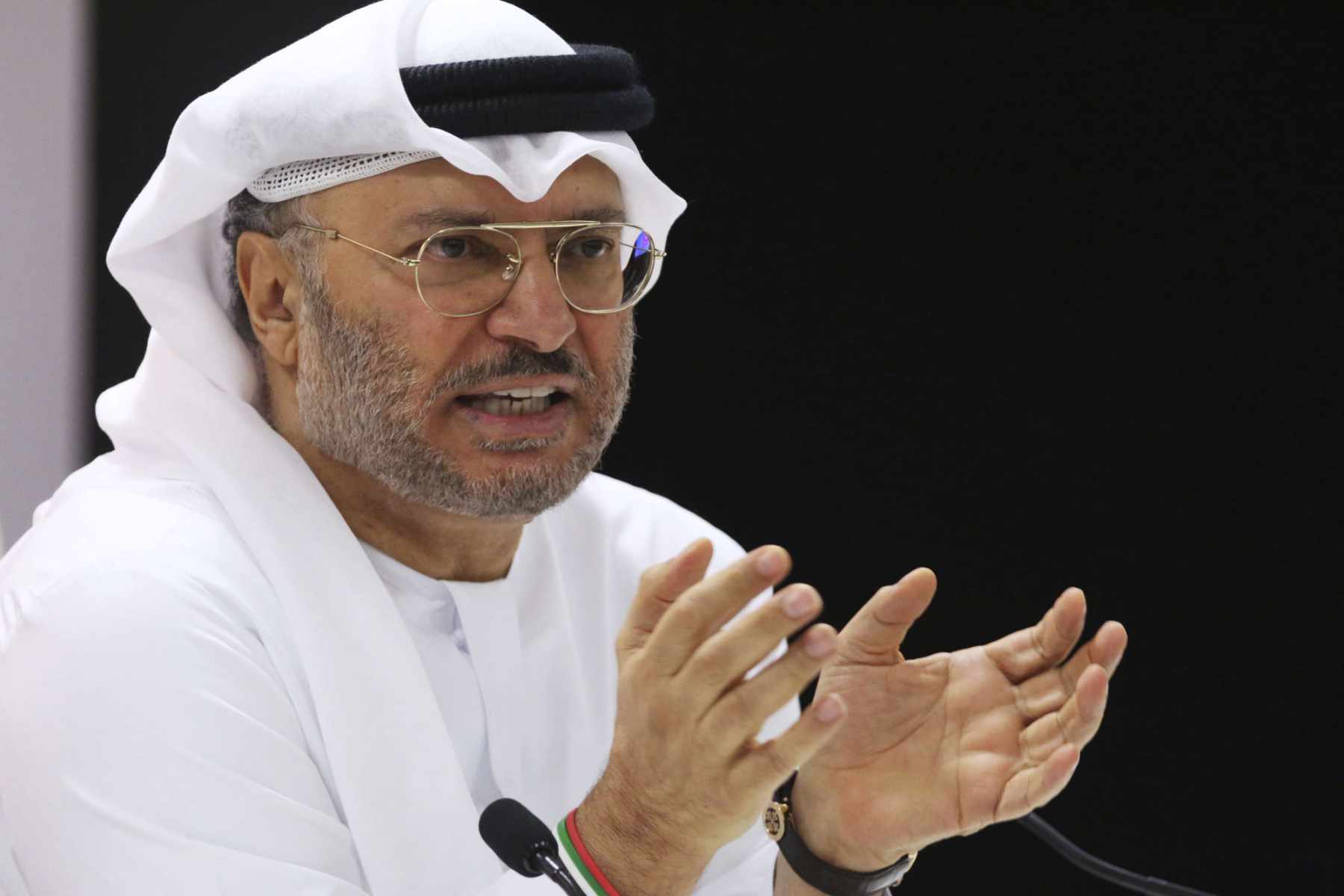
Gargash: Clarity is necessary after a brutal and premeditated aggression
UAE claims diplomatic ‘victory’, seeks to recast role after US-Iran truce
Emirati officials believe the crisis has strengthened rather than weakened the country’s regional standing, turning the confrontation into an opportunity to shape a new balance of power in the Gulf.
Thursday 09/04/2026
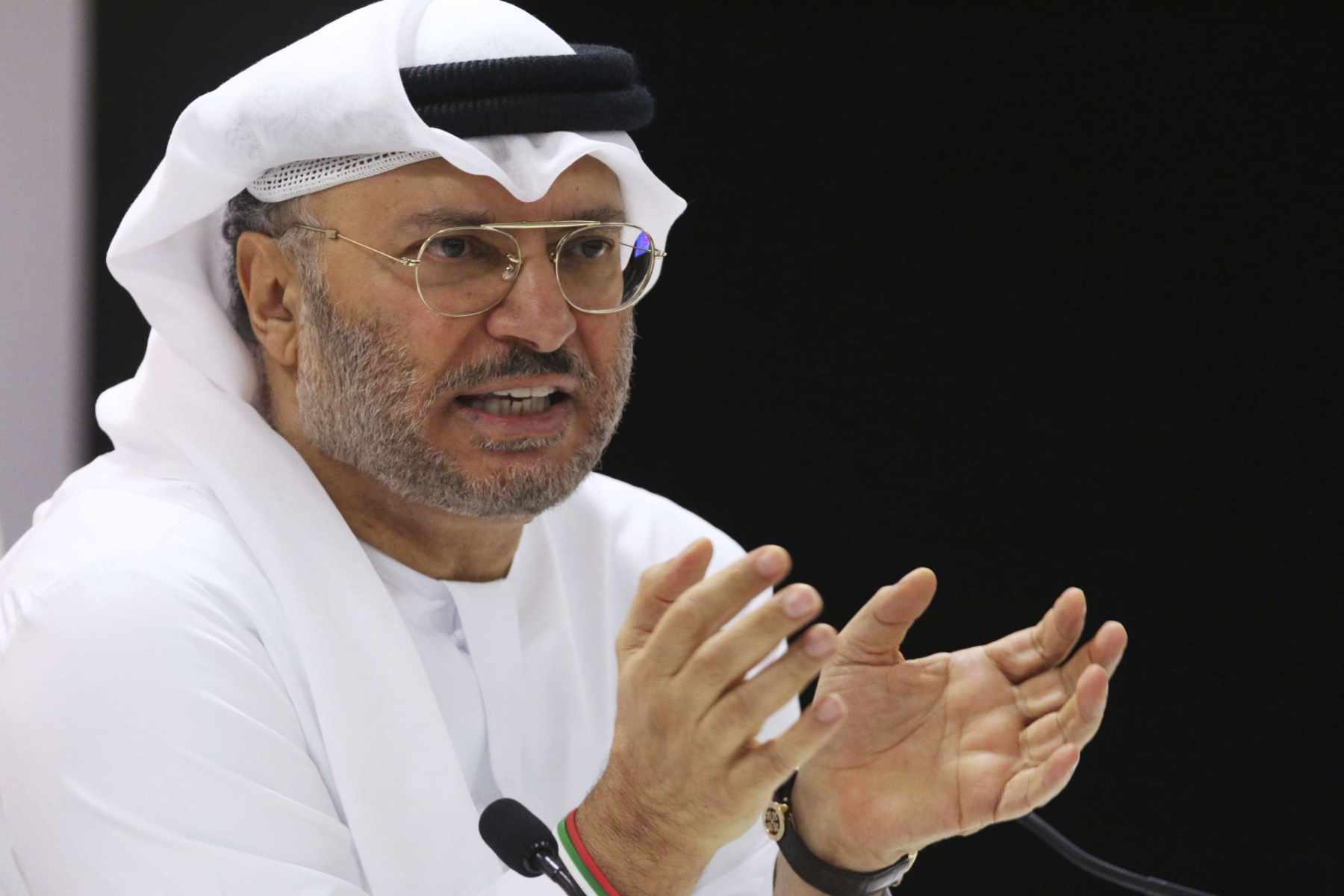
Gargash: Clarity is necessary after a brutal and premeditated aggression
ABU DHABI – Even as missiles and drones continued to target Gulf states after the US-Iran ceasefire announcement, the UAE is presenting itself as one of the principal political winners of the crisis, arguing that its combination of military resilience and diplomatic agility has elevated its regional influence.
The ceasefire, agreed only 88 minutes before the expiry of US President Donald Trump’s deadline for Iran to reopen the Strait of Hormuz, has not fully halted hostilities. Iranian attacks continued on Wednesday, including strikes targeting Gulf states, underlining the fragility of the truce and the uncertainty surrounding its implementation.
Against that backdrop, Anwar Gargash declared that the UAE had “triumphed in a war we sincerely sought to avoid,” framing the country’s survival through weeks of bombardment as proof of both national endurance and strategic foresight.
The UAE has endured heavy daily Iranian attacks since February 28, when Tehran launched its offensive in response to US-Israeli strikes. According to the Ministry of Defence, Emirati forces intercepted 17 ballistic missiles and 35 drones even after the ceasefire was announced.
Since the war began, the UAE says its air defence systems have destroyed 537 ballistic missiles, 26 cruise missiles and 2,256 drones.
Despite those interceptions, the toll has been severe. Iranian strikes have killed two UAE armed forces personnel, a Moroccan civilian contractor, and 10 civilians of Pakistani, Nepali, Bangladeshi, Palestinian and Indian nationality. A total of 224 injuries have been recorded nationwide.
On Wednesday, falling debris from intercepted missiles caused fires at Abu Dhabi’s Habshan gas complex, injuring two Emiratis and one Indian national. Authorities suspended operations at the site pending further assessment.
The UAE has condemned the Iranian attacks as “terrorist attacks” directed at vital civilian and energy infrastructure.
Later on Wednesday, Gargash cautioned that major uncertainties remained over the ceasefire terms.
“A lot of the details are not very clear. There are different statements coming out of Iran, from Washington and from the Pakistani mediator, so we need to reconcile the details of these statements and understand exactly what is the way forward,” he said in a media interview.
He also stressed that candour now defines Emirati diplomacy.
“Observers should not be surprised by the UAE’s stances in confronting Iranian aggression against the Arab Gulf states, including the Foreign Ministry’s statement on the ceasefire, which received great popular appreciation. This clarity is necessary after a brutal and premeditated aggression.”
“The time for pleasantries is over, and frankness has become a necessity. Our collective stance must be firm and clear regarding the features of the next phase, in a way that enhances stability and security in the region.”
Analysts say the UAE is now seeking to convert wartime resilience into peacetime leverage. By avoiding direct escalation while sustaining defence operations and preserving diplomatic channels, Abu Dhabi has reinforced its claim to be a central architect of the Gulf’s next security framework.
The conflict has also disrupted global aviation, tourism and shipping, and pushed oil prices sharply higher. Yet Emirati officials believe the crisis has strengthened rather than weakened the country’s regional standing, turning a dangerous confrontation into an opportunity to shape a new balance of power in the Gulf.