

A ‘firm rejection of such attacks’
UAE condemns drone attack near consulate in Iraq’s Erbil
The growing tensions have prompted international partners to step up assistance. Australia said it would deploy a military surveillance aircraft following a request from the UAE.
Tuesday 10/03/2026
A ‘firm rejection of such attacks’
DUBAI – The United Arab Emirates has strongly condemned what it described as a “terrorist” drone attack targeting its consulate in Erbil, the capital of Iraq’s autonomous Kurdistan region, as the war involving Iran continues to reverberate across the Middle East.
The UAE Ministry of Foreign Affairs said early on Tuesday that the unmanned aerial attack struck near the country’s Consulate General, causing material damage but no injuries.
Iraqi Kurdistan’s counter-terrorism service said late on Monday that air defences had intercepted three drones over Erbil. Debris from one of the drones fell close to the UAE diplomatic mission, though authorities confirmed there were no casualties.
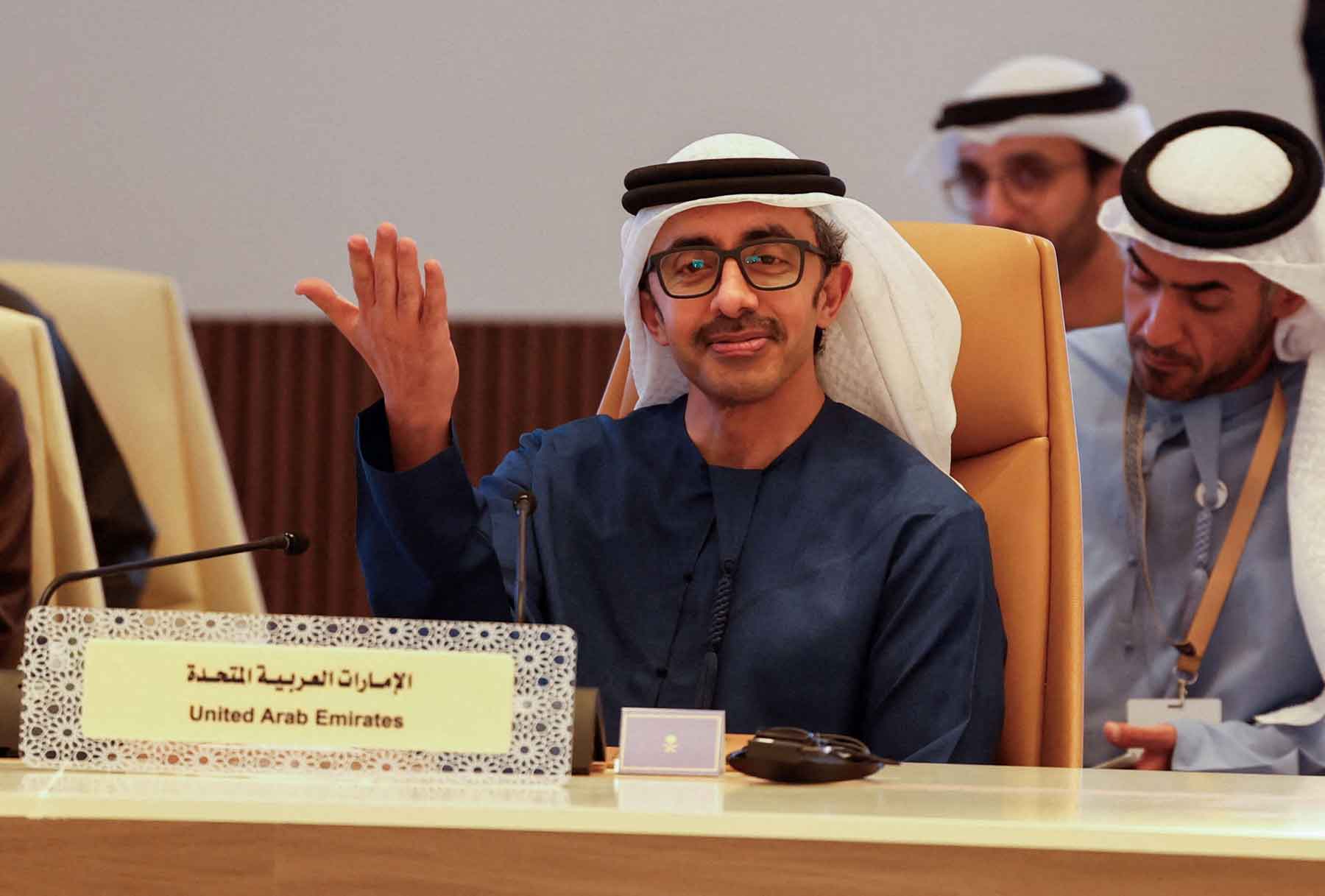
In a statement, the UAE said it “strongly condemns and denounces the unprovoked terrorist drone attack that targeted the UAE Consulate General in the Kurdistan Region of Iraq.”
The ministry stressed that targeting diplomatic missions constitutes “a flagrant violation of international norms and laws,” particularly the Vienna Convention on Diplomatic Relations, which guarantees the inviolability of diplomatic premises and the protection of diplomatic personnel.
Such attacks, it said, represent “a dangerous escalation and a threat to regional security and stability.”
The UAE called on both the Iraqi federal government and the Kurdistan Regional Government to investigate the attack, identify those responsible and ensure that the perpetrators are held accountable.
“The UAE reiterates its firm rejection of such attacks aimed at undermining security and stability,” the ministry said, stressing the need to safeguard diplomatic missions and personnel in accordance with international law.
The drone incident comes as the conflict involving Iran continues to spill across the Gulf region.
Air defences in both the UAE and Qatar intercepted missiles and drones on Monday, with authorities reporting explosions and aerial interceptions as attacks targeted what Iran says are US-linked military sites across the region.
According to UAE authorities, 15 ballistic missiles were detected, of which 12 were intercepted, while three fell into the sea. The country also detected 18 drones, intercepting 17 while one landed within its territory.
Since the war began, the UAE says it has intercepted 233 out of 253 ballistic missiles and 1,359 out of 1,440 drones, as well as destroying eight cruise missiles.
The attacks have killed four foreign nationals, from Pakistan, Nepal and Bangladesh, and injured 117 others, most of them with minor wounds, officials said.
Separately, the UAE Ministry of Defence said two members of the armed forces were killed on Monday after a military helicopter crashed due to a technical malfunction during operations.
The growing tensions have prompted international partners to step up security assistance to Gulf states.
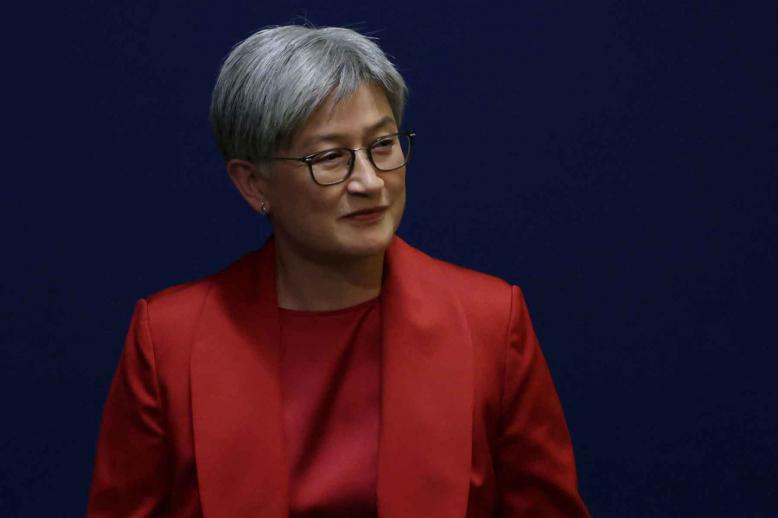
Australian Prime Minister Anthony Albanese said on Tuesday that Australia would deploy a military surveillance aircraft to the Middle East following a request from the UAE and would also supply medium-range air-to-air missiles to help protect civilians.
Albanese said Australia would not send ground troops to Iran but that the move aimed to help Gulf countries defend themselves against what he described as “unprovoked attacks” from Tehran.
The attempted strike near the UAE consulate in Erbil highlights the widening geographic scope of the conflict, which analysts say is increasingly drawing in neighbouring states and diplomatic missions.
Erbil hosts numerous foreign consulates and military facilities linked to the US-led coalition, making it a strategic hub in northern Iraq.
While no group immediately claimed responsibility for the drone attack, the incident underscores mounting fears that the war could spill further across the region, threatening diplomatic sites and critical infrastructure.