

Did Starmer bow to US pressure?
UK agrees to US use of British bases to strike Iran missile sites targeting ships
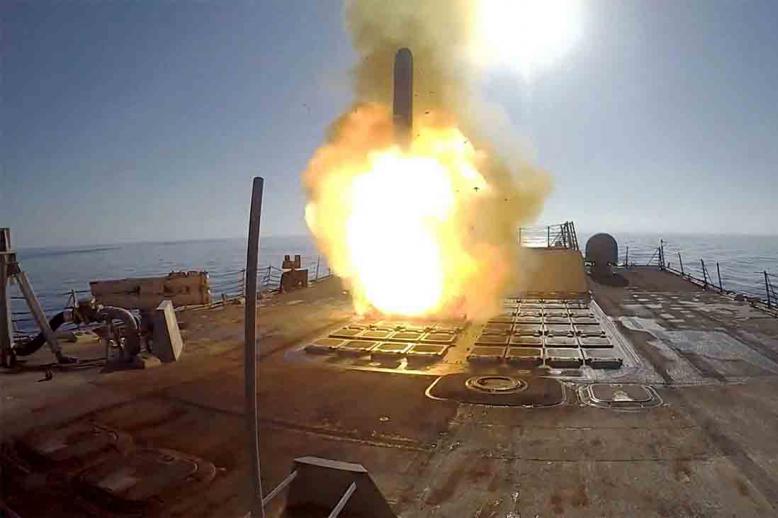
The British government gives authorisation for the US to use military bases in Britain to carry out strikes on Iranian missile sites that are attacking ships in the Strait of Hormuz.
Saturday 21/03/2026
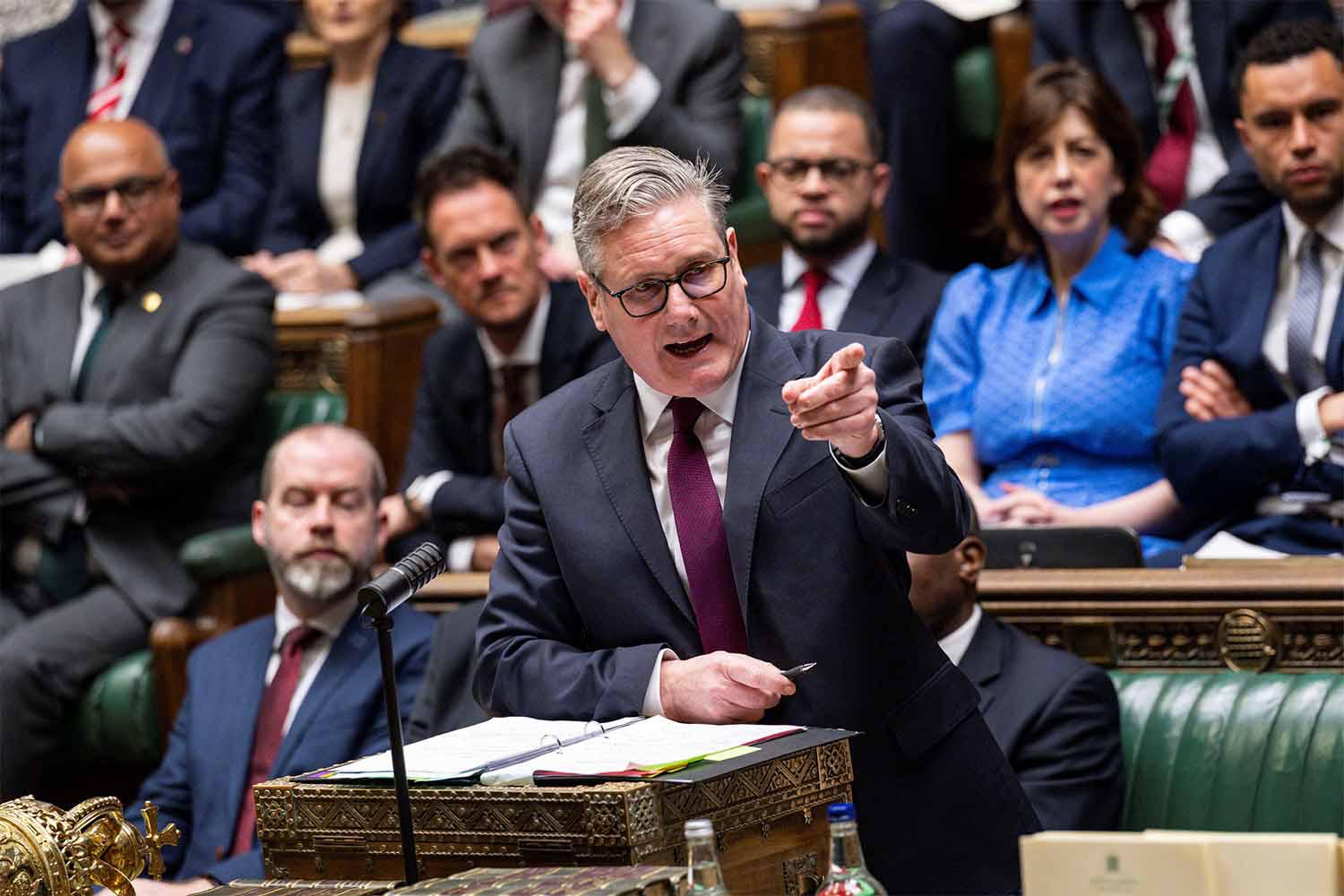
Did Starmer bow to US pressure?
LONDON - The British government gave authorisation on Friday for the US to use military bases in Britain to carry out strikes on Iranian missile sites that are attacking ships in the Strait of Hormuz.
British ministers met on Friday to discuss the Iran war and Iran's blocking of the Strait of Hormuz, according to a Downing Street statement.
"They confirmed that the agreement for the US to use UK bases in the collective self-defence of the region includes US defensive operations to degrade the missile sites and capabilities being used to attack ships in the Strait of Hormuz," the statement said.
The government stressed that “the principles behind the UK’s approach to the conflict remain the same” and calling for “urgent de-escalation and a swift resolution to the war."
The Cabinet ministers “condemned Iran’s expansion of its targets to include international shipping. They agreed that Iran’s reckless strikes, including on Red Ensign (British Shipping Registers) vessels and those of our close allies and Gulf partners, risked pushing the region further into crisis and worsening the economic impact being felt in the UK and around the world."
Writing on social platform X, opposition Conservative leader Kemi Badenoch called the decision the "mother of all U-turns."
Since the high-intensity US-Israeli offensive began on February 28, the UK has pivoted from an initial refusal of base access to a state of deep logistical and kinetic integration.
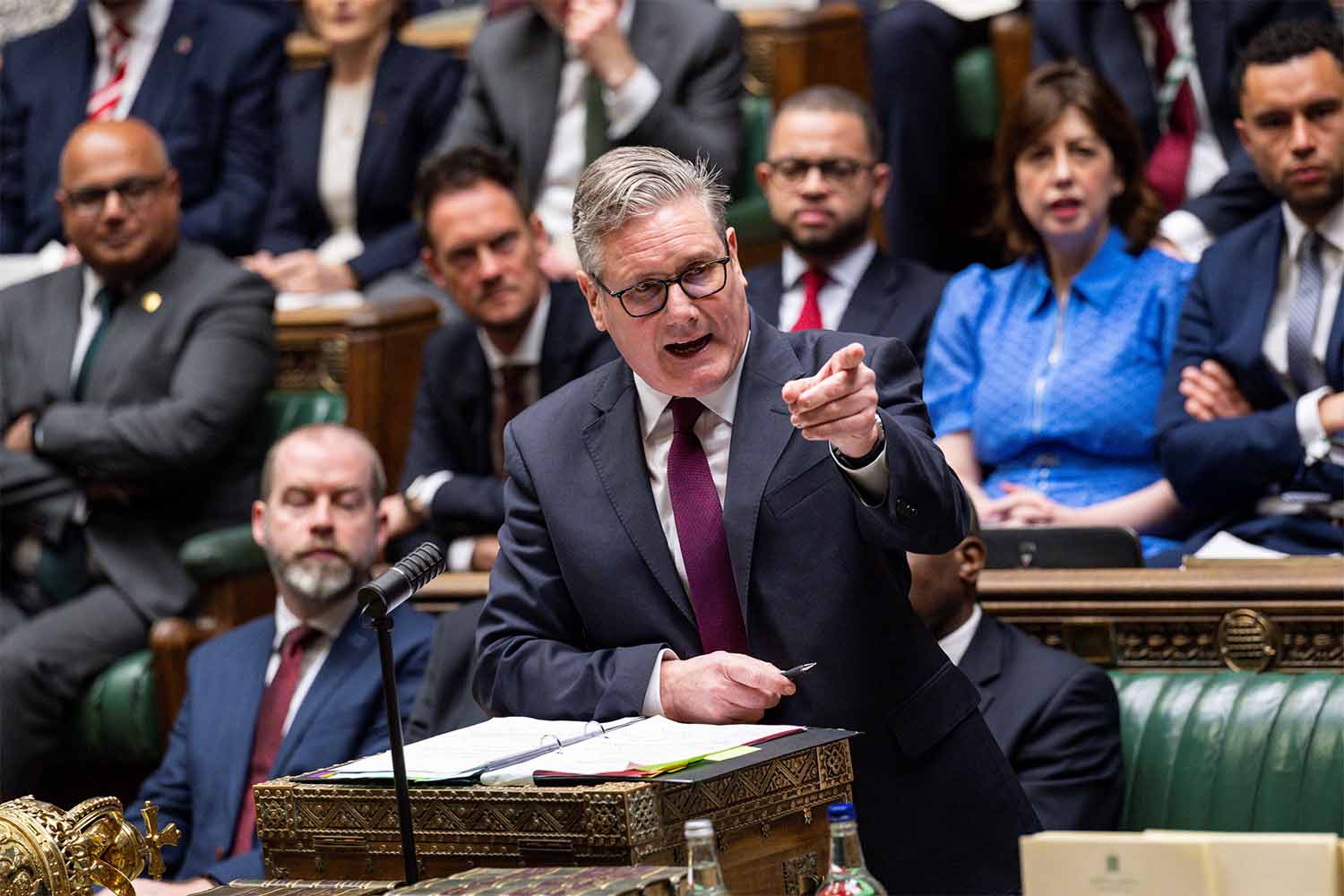
“While taking the necessary action to defend ourselves and our allies, we will not be drawn into the wider war,” Prime Minister Starmer said on Monday, adding that the UK government will continue to work toward ending the fighting.
But Britain’s expanding role in the conflict has prompted growing debate over whether that distinction is becoming increasingly difficult to sustain.
Regional hostilities in the Middle East have escalated since Israel and the US launched a joint offensive on Iran on February 28, so far killing some 1,300 people, including then-Supreme Leader Ali Khamenei.
Iran has retaliated with drone and missile attacks across the region and has effectively closed to most ships the Strait of Hormuz, a key oil transit route that normally handles about 20 million barrels per day and roughly 20% of global liquefied natural gas trade.