

Starmer: Our decision that the UK would not be involved with the strikes on Iran was deliberate
UK gives OK to US to use its bases against Iran missiles, sending rapid teams to help citizens leave Gulf
The British FM says its government wants airspace to be re-opened and it is sending rapid deployment teams to the region to work with the travel industry as Starmer says the US can use British bases for defensive strikes against Iran’s missiles.
Monday 02/03/2026
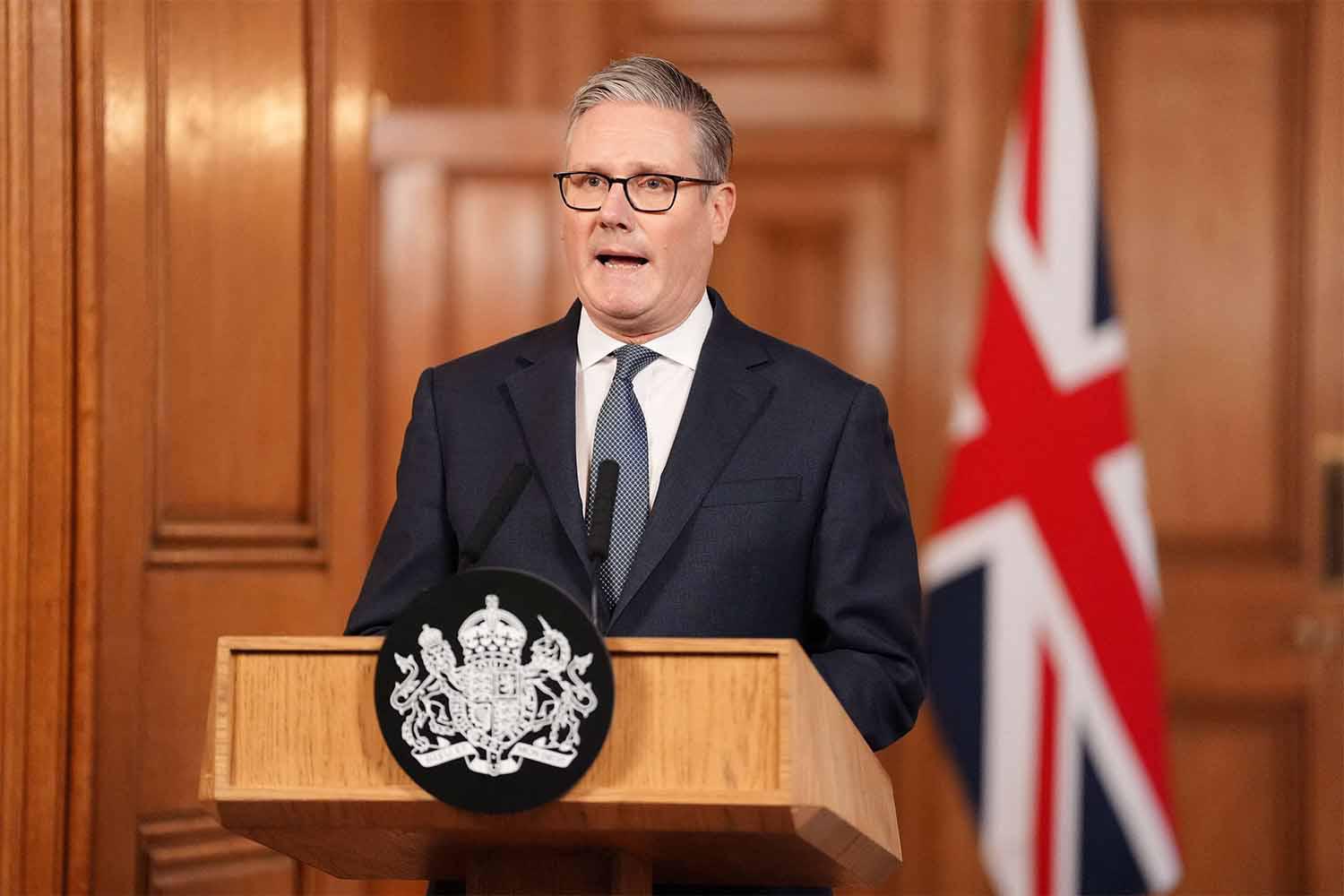
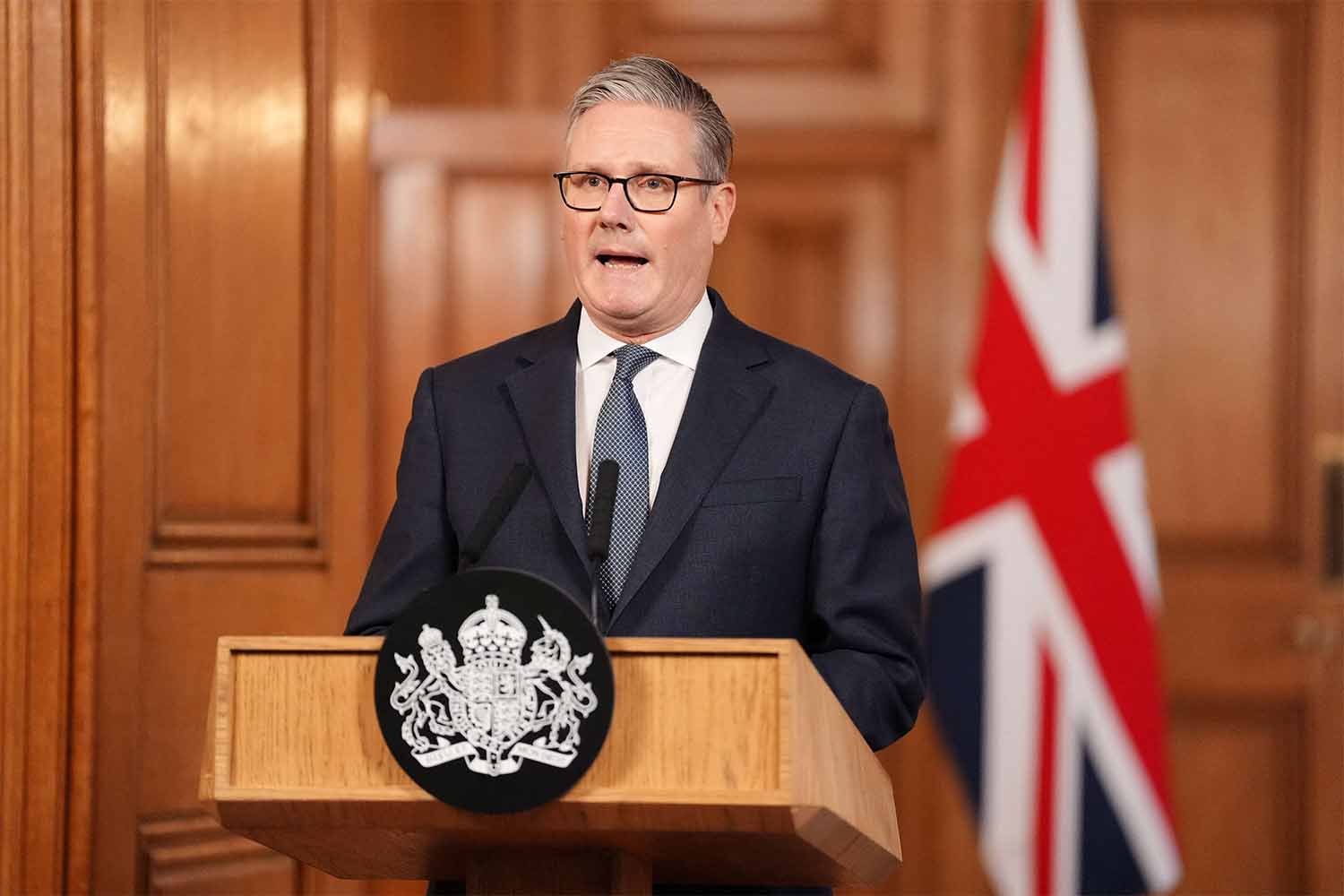
Starmer: Our decision that the UK would not be involved with the strikes on Iran was deliberate
LONDON - British foreign minister Yvette Cooper said on Monday that Britain was setting up support systems to help evacuate its citizens from the Gulf with an estimated 300,000 people living in the region.
"We are looking at a wide range of options, working, crucially with the travel industry and with government evacuation if necessary," Cooper told Sky News.
The British government wanted airspace to be re-opened and it was sending rapid deployment teams to the region to work with the travel industry, she said.
British Prime Minister Keir Starmer said on Sunday that his country has accepted a US request to use British bases for defensive strikes against Iranian missiles in storage depots or launchers.
"The United States has requested permission to use British bases for that specific and limited defensive purpose. We have taken the decision to accept this request to prevent Iran firing missiles across the region," he said in a video message on X.
Starmer reiterated that Britain was not involved in the joint US-Israel air strikes on Iran that killed the country's Supreme Leader Ali Khamenei on Saturday, adding that Britain would not join further waves of strikes.
But he said Iran had retaliated by launching sustained attacks across the region and its missiles had hit airports and hotels where British citizens were staying.
"Our decision that the UK would not be involved with the strikes on Iran was deliberate, not least because we believe that the best way forward for the region and for the world is a negotiated settlement, one in which Iran agrees to give up any aspirations to develop a nuclear weapon," he said.
"But Iran is striking British interests nonetheless, and putting British people at huge risk."
Britain's partners in the Gulf had asked it to do more to defend them, he said, and it was his duty to protect British lives.
British fighter jets were already taking part in coordinated defensive operations and had intercepted Iranian strikes, he said, but the only way to stop the threat was to destroy the missiles at their source in storage depots or launchers.
Accepting the US request, therefore, was based on the "collective self-defence of long-standing friends and allies and protecting British lives" in accordance with international law, he said.