


On the frontline of a regional war that shows little sign of easing
UK warns against all travel to Lebanon as Israel expands offensive
Nearly 60,000 people have fled their homes, according to the UN, adding to tens of thousands already displaced during a separate war between Israel and Hezbollah in 2024.
Thursday 05/03/2026
On the frontline of a regional war that shows little sign of easing
LONDON/BEIRUT – Britain has advised against all travel to Lebanon, warning that the country is being pulled deeper into the widening Middle East conflict triggered by the United States and Israel’s assault on Iran.
The Foreign, Commonwealth and Development Office (FCDO) said on Wednesday it had revised its guidance to advise against “all travel or all but essential travel to all areas of Lebanon”, strengthening earlier warnings that applied only to parts of the country.
The move came as Israel ordered residents to evacuate a broad swathe of southern Lebanon, telling civilians to move north of the Litani River on the third day of full-scale hostilities with the Iran-backed group Hezbollah.
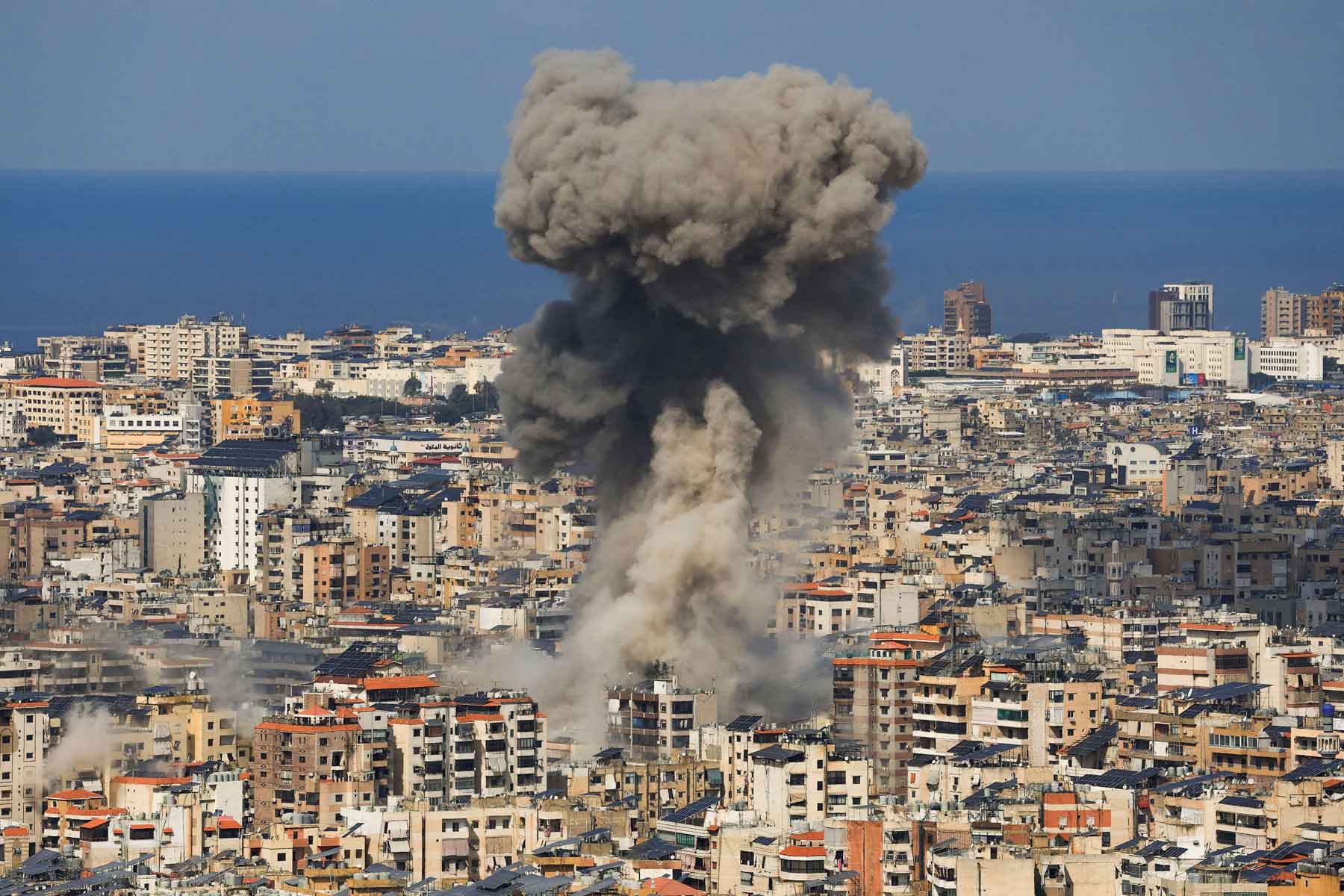
Lebanon has become a new front in a war that has rapidly spread across the region. Hezbollah launched drones and rockets at Israel on Monday, prompting retaliatory Israeli airstrikes that have killed dozens of people.
Nearly 60,000 people have fled their homes in recent days, according to the United Nations, adding to tens of thousands already displaced during a separate war between Israel and Hezbollah in 2024.
An Israeli military spokesperson published a map identifying the area south of the Litani River, around 8 percent of Lebanese territory, that residents were ordered to leave “to guarantee your safety.” The Litani flows west into the Mediterranean roughly 10 kilometres north of Tyre, one of Lebanon’s largest and most historic cities.
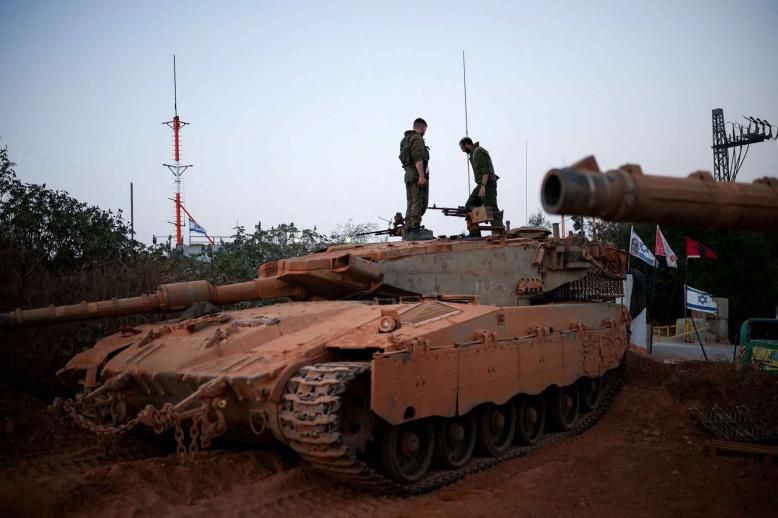
A senior Lebanese security official said Israeli troops had moved into at least nine towns in southern Lebanon, a day after Israel’s defence minister authorised the military to take control of additional positions. The Israeli military confirmed that two soldiers were wounded by anti-tank fire, marking the first reported Israeli troop injuries since the US and Israel launched strikes against Iran on Saturday.
The Lebanese army said it had redeployed forces from some border positions in response to Israeli incursions. It also announced the arrest of 26 Lebanese nationals found carrying unlicensed weapons, though it did not specify whether they were affiliated with Hezbollah. Earlier this week, Lebanon’s cabinet voted to outlaw Hezbollah’s military activities.
Israel declined to comment on specific deployments but said its forces were “positioning troops a little farther” inside Lebanon to prevent attacks on northern Israeli communities. Israeli troops have maintained positions at several points inside Lebanese territory since the 2024 conflict.
Hezbollah leader Naim Qassem, in his first televised address since the latest escalation began, described Israel’s actions as a “prepared aggression” and demanded a withdrawal from southern Lebanon.
“We will not surrender no matter the sacrifices,” Qassem said, adding that Hezbollah’s response was “not connected to any other battle.”
Despite that assertion, Hezbollah has framed its latest attacks as retaliation for the killing of Iran’s Supreme Leader Ayatollah Ali Khamenei in the US-Israeli strikes on Saturday. The group announced multiple operations on Wednesday, including the launch of what it described as a precision-guided missile targeting a military facility in northern Israel and drone attacks on a base 120 kilometres inside Israeli territory.
On Tuesday, missiles fired from Lebanon triggered air raid sirens as far south as Tel Aviv, Israel’s commercial hub.
Lebanon’s health ministry said 72 people had been killed and 437 wounded since Monday. An Israeli airstrike on a four-storey building in the eastern city of Baalbeck killed six people and injured 15, while another strike hit a hotel in the Beirut suburb of Hazmieh, outside Hezbollah’s traditional stronghold in the southern suburbs of the capital.
There have been no reported fatalities in Israel from Hezbollah’s attacks so far.
For many Lebanese civilians, the rapid escalation has revived memories of past invasions and bombardments.
“We thought we’d managed to stay out of this game, but they dragged us into the game … Who’s going to save us now if there’s an invasion?” said Beirut resident Mohammed Dib, expressing relief that he was not among the displaced.
Israel has invaded Lebanon several times since 1978 and occupied a strip of southern territory until 2000, withdrawing after years of guerrilla warfare led by Hezbollah.