


Corsi’s briefing highlights the collapse of traditional safe havens
UNICEF official warns no refuge from war even in Beirut
Corsi reveals stark new figures from Israel's offensive against Hezbollah on the impact on children: at least 121 children have been killed and 399 injured since the latest escalation in the conflict.
Friday 27/03/2026
Corsi’s briefing highlights the collapse of traditional safe havens
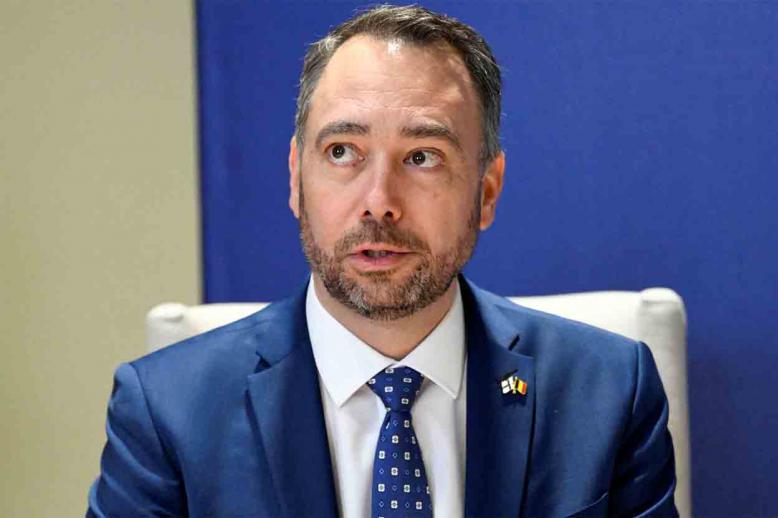
GENEVA - People have no safe space to find refuge in Lebanon, even in the capital Beirut, UNICEF's representative in Lebanon, Marcoluigi Corsi, told a briefing on Friday, amid Israel's offensive against Hezbollah.
A UNHCR official separately said around 150,000 people had been left isolated after bridges were destroyed.
Corsi painted a grim picture of the security situation across the country. “There is no safe space for people to go, even here in Beirut,” he stated, underscoring that displacement and fear have reached the heart of the Lebanese capital.
Corsi also revealed stark new figures on the impact on children: at least 121 children have been killed and 399 injured since the latest escalation in the conflict.
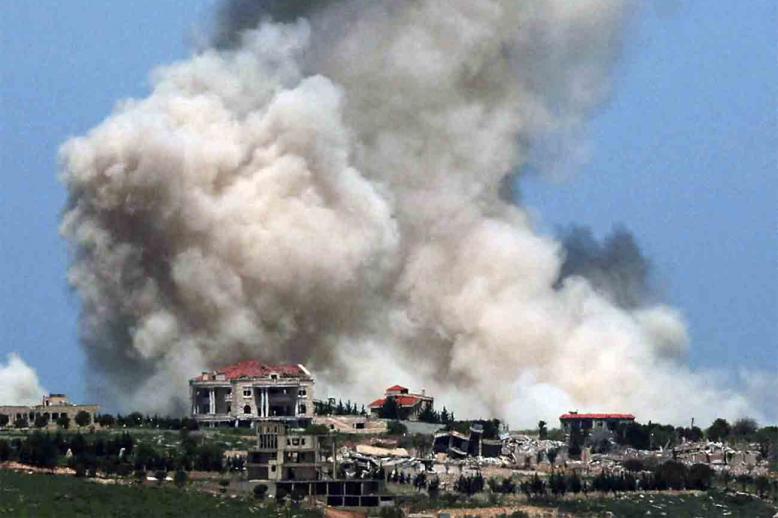
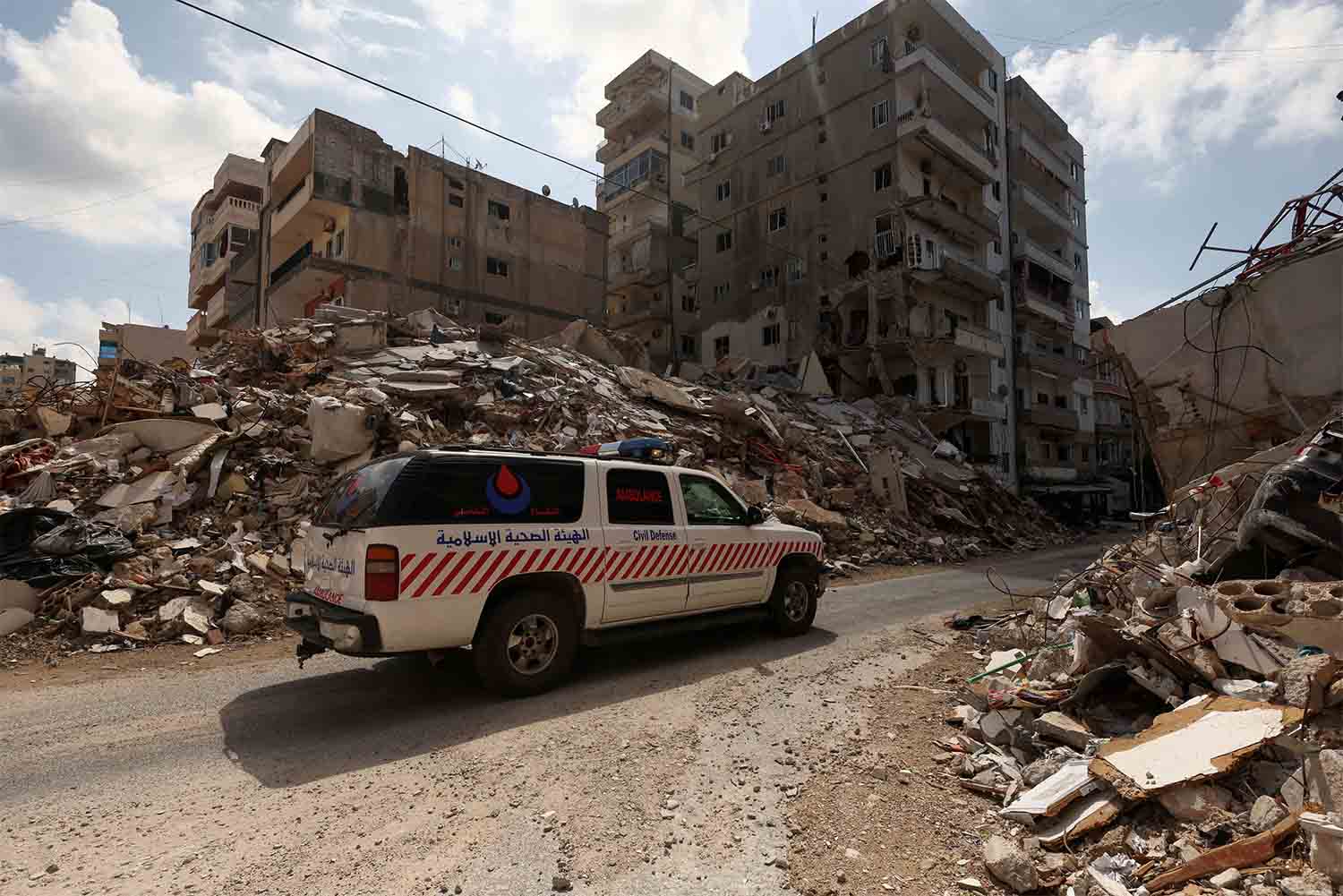
The comments come as Israeli airstrikes and ground operations against the Iran-backed Hezbollah group have intensified over recent weeks, with strikes reported in southern Lebanon, the Bekaa Valley, and increasingly in and around Beirut. Entire residential areas have been hit, forcing hundreds of thousands to flee their homes.
UN figures from earlier this month already showed more than 830,000 people — including nearly 290,000 children — displaced within Lebanon, adding to tens of thousands already uprooted from previous rounds of violence. Many families are sheltering in overcrowded schools, makeshift tents, or with relatives, but even these locations have come under threat as the fighting spreads.
UNICEF has repeatedly warned that children are bearing the brunt of the violence. In earlier statements this month, Corsi said: “No child should ever be killed or be left to bear the lifelong physical and emotional scars of violence.” Schools have been disrupted, hospitals strained, and access to clean water, food and medical care severely limited for displaced families.
The escalation forms part of the wider Middle East crisis that has seen direct confrontations involving Israel, Hezbollah, and Iran. Israeli officials have described the operations as necessary to neutralise Hezbollah’s rocket and drone capabilities targeting northern Israel, while Lebanese authorities and humanitarian agencies say the civilian cost has become unsustainable.
Corsi’s briefing highlights the collapse of traditional safe havens. With Beirut’s southern suburbs and even central districts now affected by strikes, families who fled south Lebanon earlier in the conflict have found themselves under fire again.
Humanitarian organisations are calling for immediate de-escalation, protection of civilians under international humanitarian law, and safe corridors for aid delivery. UNICEF continues to provide emergency support including child-friendly spaces, psychosocial care, and essential supplies where access is possible — but Corsi made clear that without a reduction in hostilities, even these efforts are severely constrained.
The situation remains fluid, with no immediate signs of a ceasefire. As the conflict enters a new and more dangerous phase, the UN children’s agency is urging all parties to prioritise the safety of civilians, particularly children, who now number in the hundreds of thousands among the displaced.