



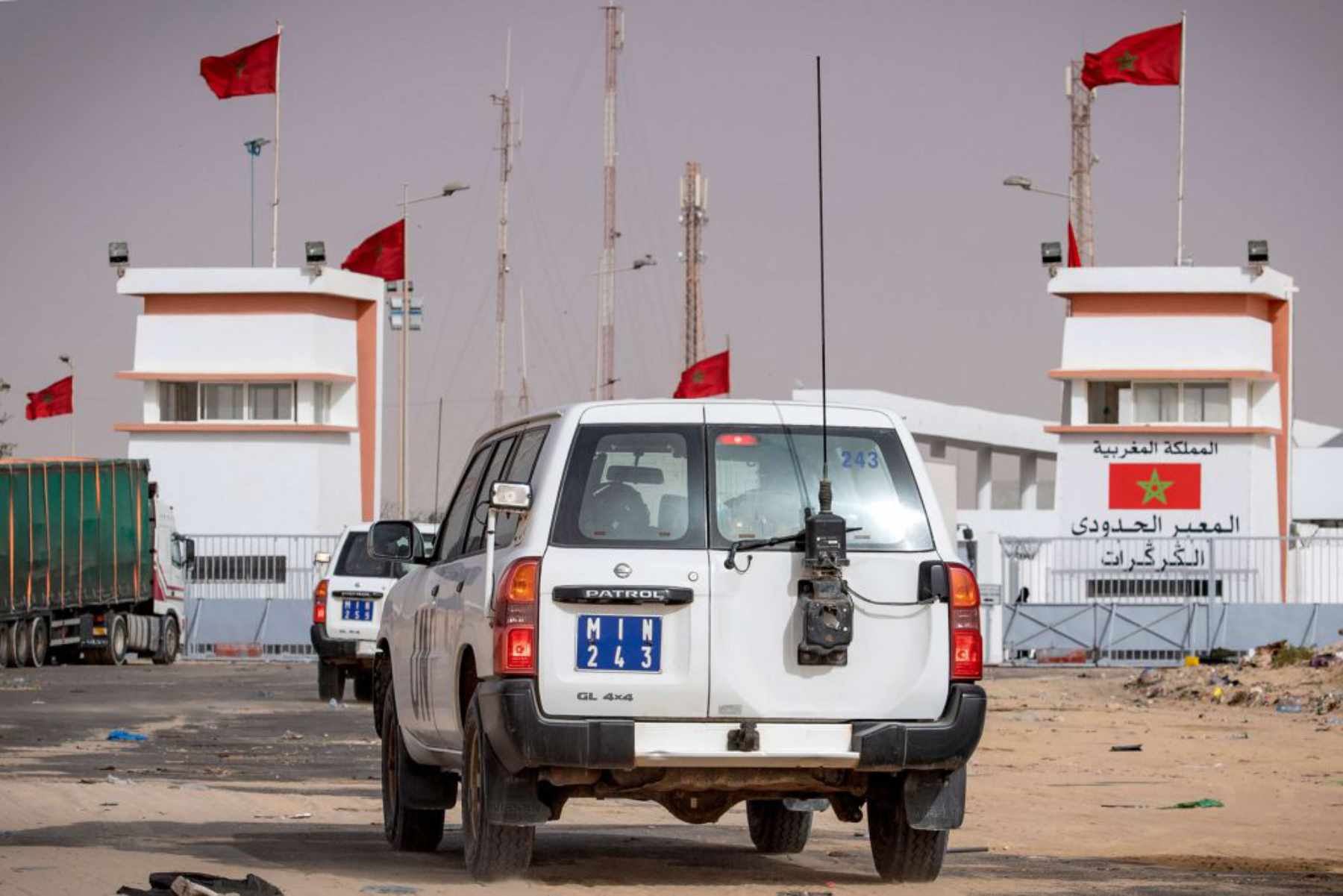
Many analysts now consider the mission outdated
US eyes overhaul of UN missions, Western Sahara force under review
“We’re looking at a strategic review of the peacekeeping force in Western Sahara,” Waltz said, underscoring concerns that such missions risk continuing indefinitely without meaningful progress.
Monday 23/03/2026
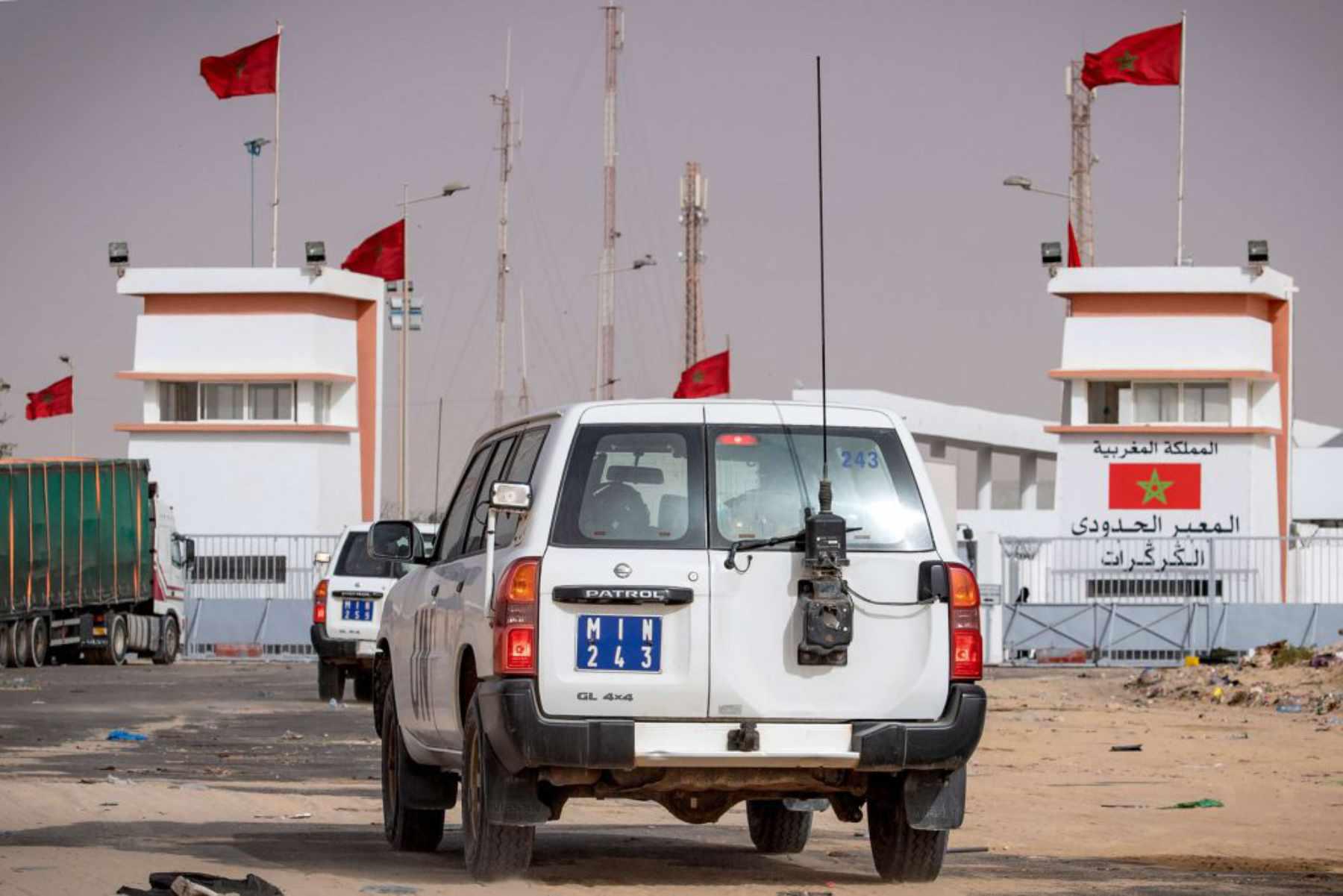
Many analysts now consider the mission outdated
RABAT/WASHINGTON – The United States is stepping up efforts to scale back what it describes as costly and ineffective UN peacekeeping operations, placing the long-standing Western Sahara mission at the centre of a broader strategic overhaul.
US Ambassador to the UN Mike Waltz confirmed that Washington is conducting a “strategic review” of the MINURSO mission, as part of a wider policy shift under President Donald Trump aimed at ensuring international deployments deliver concrete results.
“We’re looking at a strategic review of the peacekeeping force in Western Sahara that has been there for 50 years,” Waltz said, underscoring concerns that such missions risk continuing indefinitely without meaningful progress.
The review forms part of a wider US effort to reduce spending on international operations and refocus foreign policy priorities. Secretary of State Marco Rubio has already outlined plans to wind down missions deemed inefficient, describing them as “costly and ineffective.”
Washington has cited previous closures, including the UN mission in Iraq, as examples of cost-saving measures, while signalling further reductions may follow.
The push aligns with the administration’s “America First” approach, which emphasises cutting support for international bodies and ensuring US-led initiatives take precedence in conflict resolution.
MINURSO, established in 1991 to oversee a ceasefire between Morocco and the Polisario Front, has long been criticised for failing to deliver on its original mandate of organising a referendum on the territory’s future.
Many analysts now consider the mission outdated, arguing it has contributed to a prolonged political stalemate rather than resolving the dispute.
Some observers have gone further, calling for the mission to be dismantled altogether, citing its limited impact over more than three decades.
At the same time, the US continues to back efforts to resolve the conflict through Morocco’s autonomy proposal, which Washington sees as the most viable political framework.
Despite criticism, MINURSO continues to play a role in maintaining relative calm on the ground, monitoring ceasefire conditions and supporting UN-led mediation efforts.
However, US officials argue that peacekeeping missions must be tied to clear timelines and measurable outcomes. Prolonged deployments, they say, risk entrenching deadlock rather than encouraging compromise.
Waltz indicated that Washington is pushing for annual reviews of peacekeeping mandates, as well as reductions in troop levels and stricter efficiency measures.
The debate over MINURSO’s future comes ahead of a key session of the UN Security Council in April, where senior UN officials will brief member states on developments in Western Sahara.
A strategic review by Secretary-General Antonio Guterres is also expected, potentially setting the stage for significant changes to the mission’s mandate or structure.
With geopolitical tensions and budgetary pressures mounting, the future of one of the UN’s longest-running peacekeeping operations now hangs in the balance.