


Republican Rep. Thomas Massie escribed the strikes as "acts of war unauthorized by Congress"
US lawmakers blast Trump for striking Iran without Congress approval
Several Republican and Democratic lawmakers warn that without congressional involvement, the US risks being drawn into another prolonged Middle East conflict, echoing criticisms from past administrations.
Saturday 28/02/2026

Republican Rep. Thomas Massie escribed the strikes as "acts of war unauthorized by Congress"
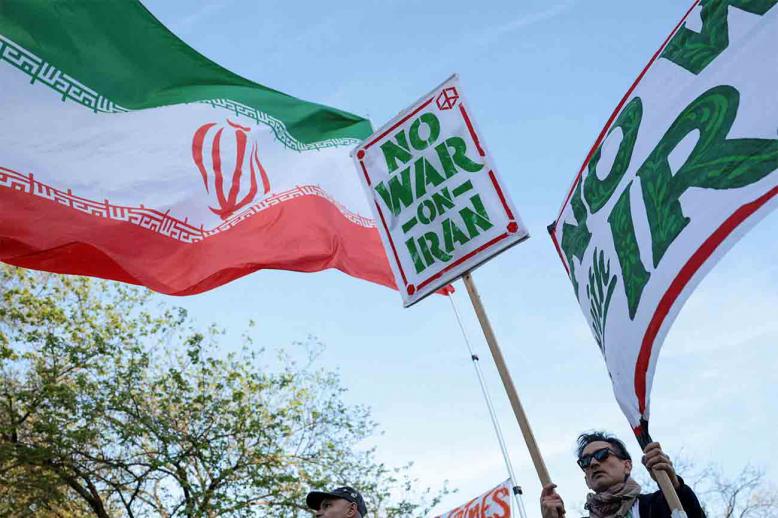
WASHINGTON - Several US congressmen from both parties condemned on Saturday the recent US military operation against Iran, asserting that it was executed without proper congressional authorization in a sharp rebuke to President Donald Trump's administration.
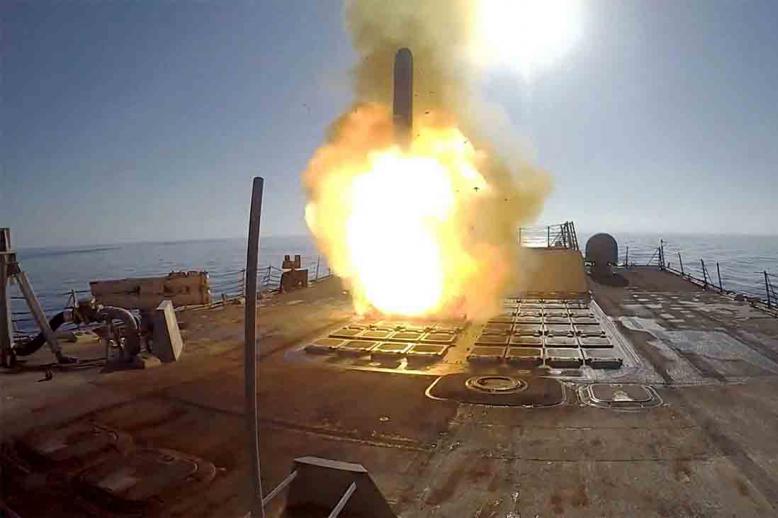
The strikes, which were launched in coordination with Israel, targeted Iranian nuclear facilities and regime command centers, escalating tensions in the Middle East amid Iran's retaliatory attacks on US allies.
Critics argue that the action violates Article 1 of the Constitution, which vests Congress with the sole authority to declare war, and have called for immediate legislative intervention to curb further unilateral military actions.
Bipartisan criticism over lack of approval
Republican Rep. Thomas Massie of Kentucky described the strikes as "acts of war unauthorized by Congress" in a post on X, emphasizing the need for lawmakers to reclaim their constitutional role.
Massie, alongside Democratic Rep. Ro Khanna of California, is spearheading a bipartisan resolution to restrict Trump's ability to conduct sustained operations against Iran without explicit congressional consent.
The duo plans to force votes on this measure in the House and Senate as early as next week, using procedural maneuvers to bypass potential opposition from GOP leadership.
House Minority Leader Hakeem Jeffries (D-N.Y.) echoed these sentiments, stating that Democrats remain committed to advancing a War Powers Resolution to prevent further escalation without debate and approval.
Jeffries highlighted Iran's threats but stressed that Trump "thrust our nation into a major war" without making a case to Congress or the American people. This push reflects growing frustration among lawmakers who were notified of the strikes only shortly before they occurred, without an opportunity for input or authorization.
Democrat senators lead opposition to the war
Democratic senators have been particularly vocal in their opposition to the burgeoning conflict, framing it as an unnecessary and unauthorized escalation that risks American lives and regional stability.
Sen. Mark Warner (D-Va.), a key member of the Senate Intelligence Committee, issued a statement criticizing the lack of "scrutiny, deliberation, and accountability," warning that the president's actions could lead to the loss of "American heroes" without proper oversight.
Sen. Tim Kaine (D-Va.), a longtime advocate for reining in presidential war powers, has co-sponsored a bipartisan War Powers Resolution with Sen. Rand Paul (R-Ky.) to block further unauthorized strikes.
Kaine expressed apprehension about the strikes' implications, calling for Congress to reconvene immediately and vote on the matter. Similarly, Sen. Patty Murray (D-Wash.) demanded that every senator go on record regarding their support for "another potentially bloody and costly war in the Middle East," underscoring the need for transparency and public accountability.
Sen. Jack Reed (D-R.I.), ranking member of the Senate Armed Services Committee, labeled the operation a "war of choice" initiated without congressional authority or a clear endgame.
These senators, joined by others like Mark Kelly (D-Ariz.), have raised concerns about the potential for a protracted conflict, drawing parallels to past US entanglements in the region. Not all Democrats are opposed; Sen. John Fetterman (D-Pa.) has expressed support for the strikes, citing Iran's human rights violations and threats to allies like Israel. However, the prevailing sentiment among Democratic senators emphasizes restraint and the restoration of congressional war powers.
The strikes have deeply divided Congress, with most Republicans praising Trump's decisive action as a necessary response to Iranian aggression, while Democrats and a handful of GOP isolationists demand a return to constitutional checks. Upcoming votes on war powers resolutions — one in the Senate on Tuesday and another in the House on Thursday — are expected to fall short of overriding a potential presidential veto, but they serve as a symbolic assertion of legislative authority.
Lawmakers warn that without congressional involvement, the US risks being drawn into another prolonged Middle East conflict, echoing criticisms from past administrations. With bipartisan efforts gaining traction, the coming days could test the balance of power between the branches of government amid this high-stakes international crisis.