

Towards a fundamental redefinition of NATO’s regional role
US pushes to end NATO mission in Iraq in strategic shift under Trump
Analysts warn that ending the NATO mission alongside a US troop withdrawal could strengthen militia groups and unsettle Iraq’s fragile security balance.
Thursday 19/02/2026
Towards a fundamental redefinition of NATO’s regional role
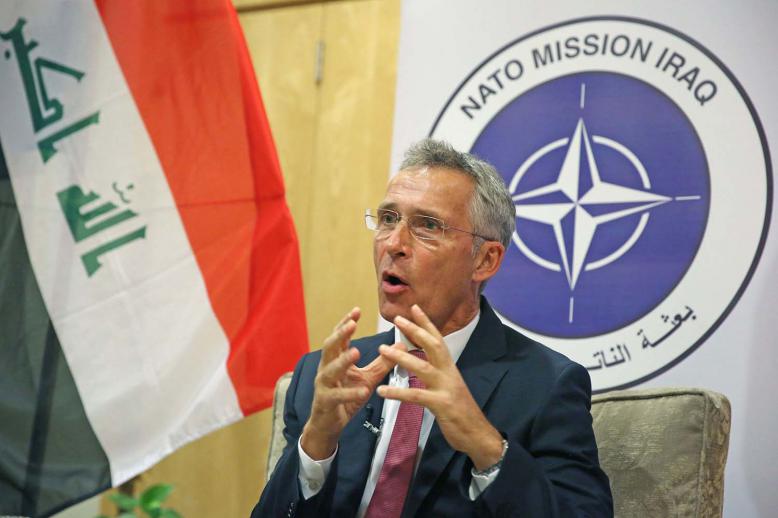
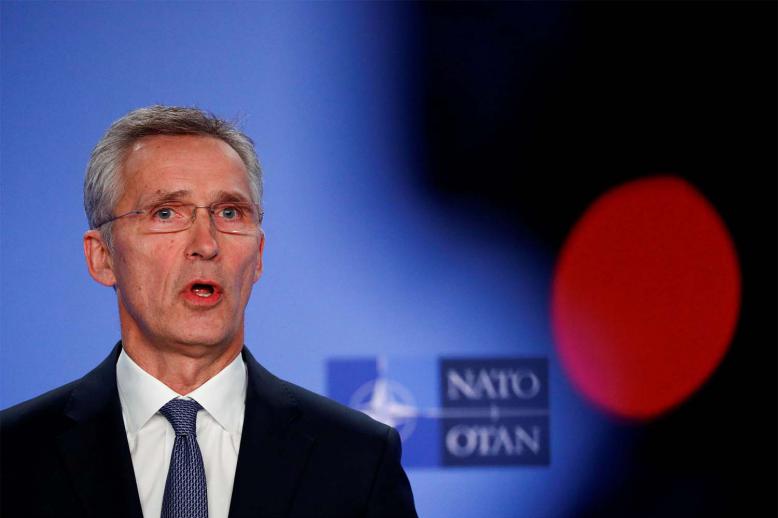
BAGHDAD – Recent diplomatic manoeuvres by Washington signal what could amount to a fundamental redefinition of NATO’s regional role. According to senior alliance diplomats cited by Politico, President Donald Trump’s administration is exerting intense pressure to scale back NATO’s overseas activities, foremost among them ending the alliance’s mission in Iraq, a move reflecting a decisive American desire to disengage from the Middle East’s complex entanglements.
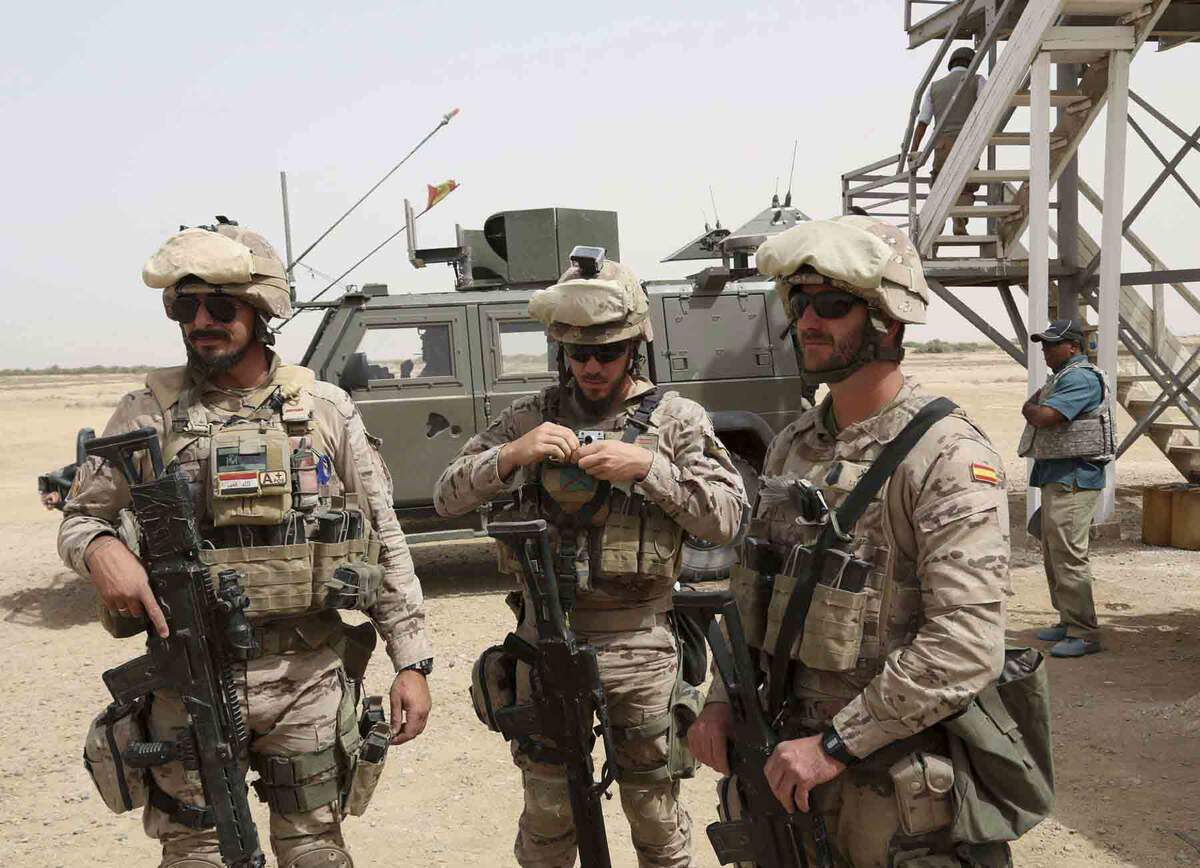
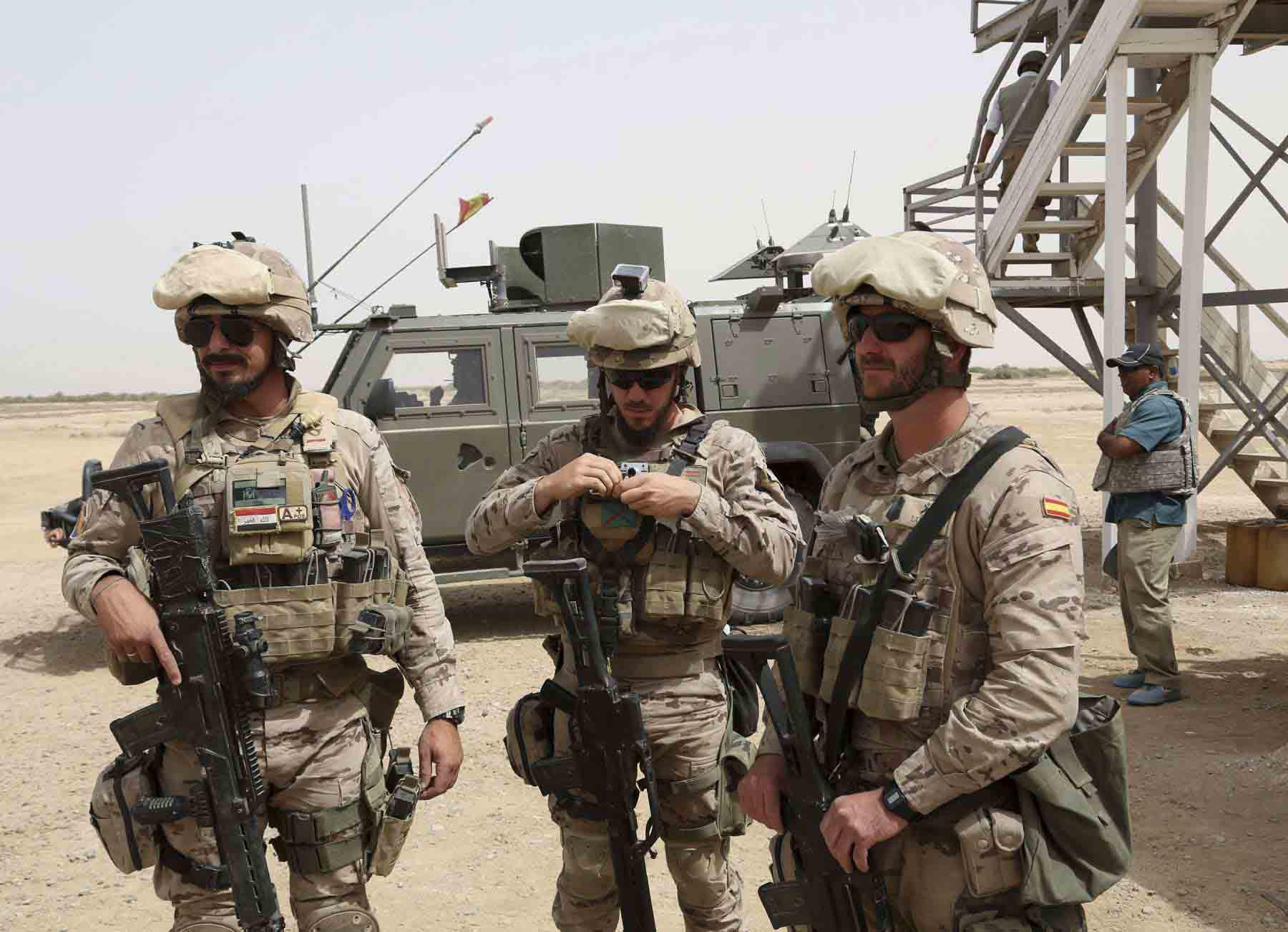
The NATO Mission Iraq, launched in 2018 during Trump’s first term at Baghdad’s request, represents the alliance’s longest and most significant experiment in defence capacity-building beyond its traditional geographic boundaries in the past decade. Crucially, the mission is non-combat in nature. It focuses on security sector reform, training Iraqi forces and providing strategic advice to the Ministry of Defence to ensure the long-term sustainability of Iraq’s military institutions.
Recently led by Dutch and Spanish commanders, the mission includes hundreds of European experts and trainers. Its distinctly European character has often been described as the “softer face” of Western engagement, rendering it more politically acceptable within Iraqi circles than US combat forces, particularly as it has largely avoided direct confrontation with Iran-aligned armed factions.
However, Washington’s reported push to terminate the mission appears tied to a carefully-calibrated political and strategic timetable. The Trump administration has set September 2026 as the deadline for withdrawing US combat troops from Iraq. From the White House’s perspective, maintaining a NATO “umbrella” in the absence of American military protection on the ground would be strategically illogical and potentially expose the alliance to unmanageable security risks.
Trump has long argued that Middle Eastern stability should primarily be a regional responsibility. His administration has shown increasing reluctance to allow European allies to rely on American logistical and intelligence support for missions it views as peripheral to core US national security interests. Within NATO circles, the US campaign has reportedly been described as a “return to factory settings,” refocusing the alliance strictly on Euro-Atlantic defence and deterrence.
Security concerns further complicate the picture. Bases hosting NATO advisers in Iraq have repeatedly come under attack from Iran-backed militias. US officials fear that targeting alliance personnel could drag Washington into military retaliation or broader regional escalation at a time when the administration is seeking to limit overseas entanglements.
The pressure to end the Iraq mission therefore signals more than an operational adjustment; it suggests the gradual closing of a chapter in what was once dubbed the era of “global NATO,” an alliance that expanded beyond collective defence into crisis management, partnership-building and values-based initiatives across multiple theatres.
The potential ramifications are significant. Analysts warn that ending the NATO mission alongside a US troop withdrawal could strengthen militia groups and unsettle Iraq’s fragile security balance, particularly in the semi-autonomous Kurdistan region. While some allies reportedly favour scaling down the mission over time rather than ending it abruptly, others caution that a premature exit could undermine gains achieved since the defeat of the Islamic State group.
The debate over Iraq forms part of a broader American effort to curb NATO’s global footprint. According to the same diplomatic sources, Washington has also lobbied to reduce the alliance’s peacekeeping presence in Kosovo and to limit the participation of Ukraine and Indo-Pacific partners, including Australia, Japan, New Zealand and South Korea, at the alliance’s July summit in Ankara.
Although no final decision has been taken, and all 32 NATO members must approve the launch or termination of missions, the direction of travel appears clear. The Trump administration is pressing the alliance to return to its original mandate as a strictly European-Atlantic defence organisation, deprioritising global partnerships and overseas operations.
For Iraq, the implications are profound. A NATO withdrawal would leave Baghdad facing a stark choice: accelerate efforts toward full security self-reliance or seek alternative security arrangements beyond the Western alliance framework.
As internal NATO deliberations continue, one reality stands out: the future of the alliance’s role in Iraq has become a litmus test for the broader transformation of NATO itself, from a global crisis manager back to a narrowly-defined defensive pact centred on Europe.