



‘US presence at scale is no longer required in Syria’
US scales back military presence in Syria amid stabilisation efforts
The Islamic State has seen a significant reduction in activity compared with the previous year, with fewer attacks and casualties reported.
Thursday 19/02/2026
‘US presence at scale is no longer required in Syria’
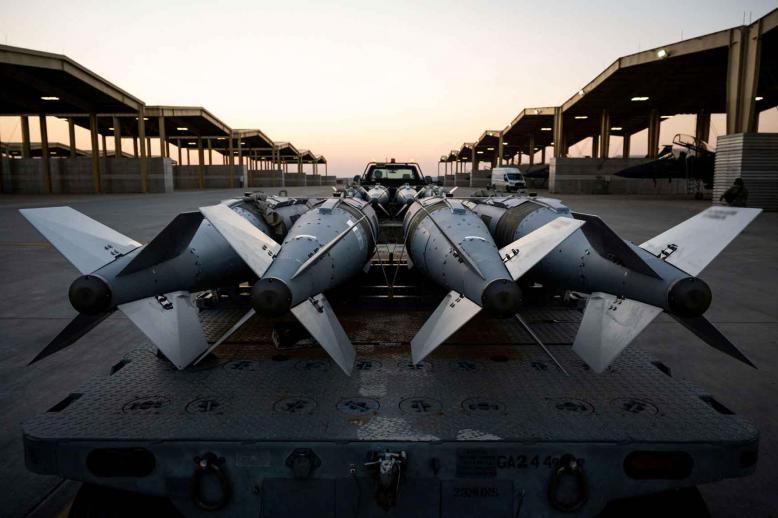
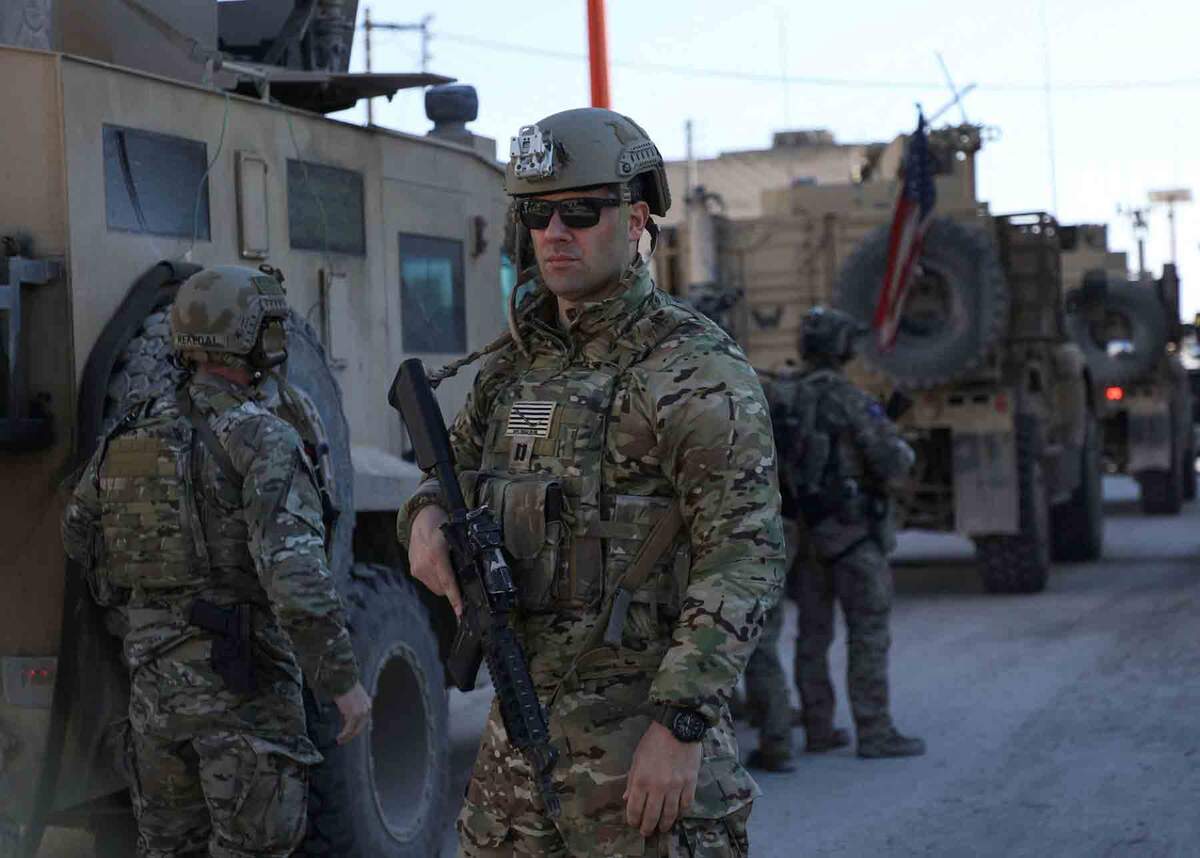
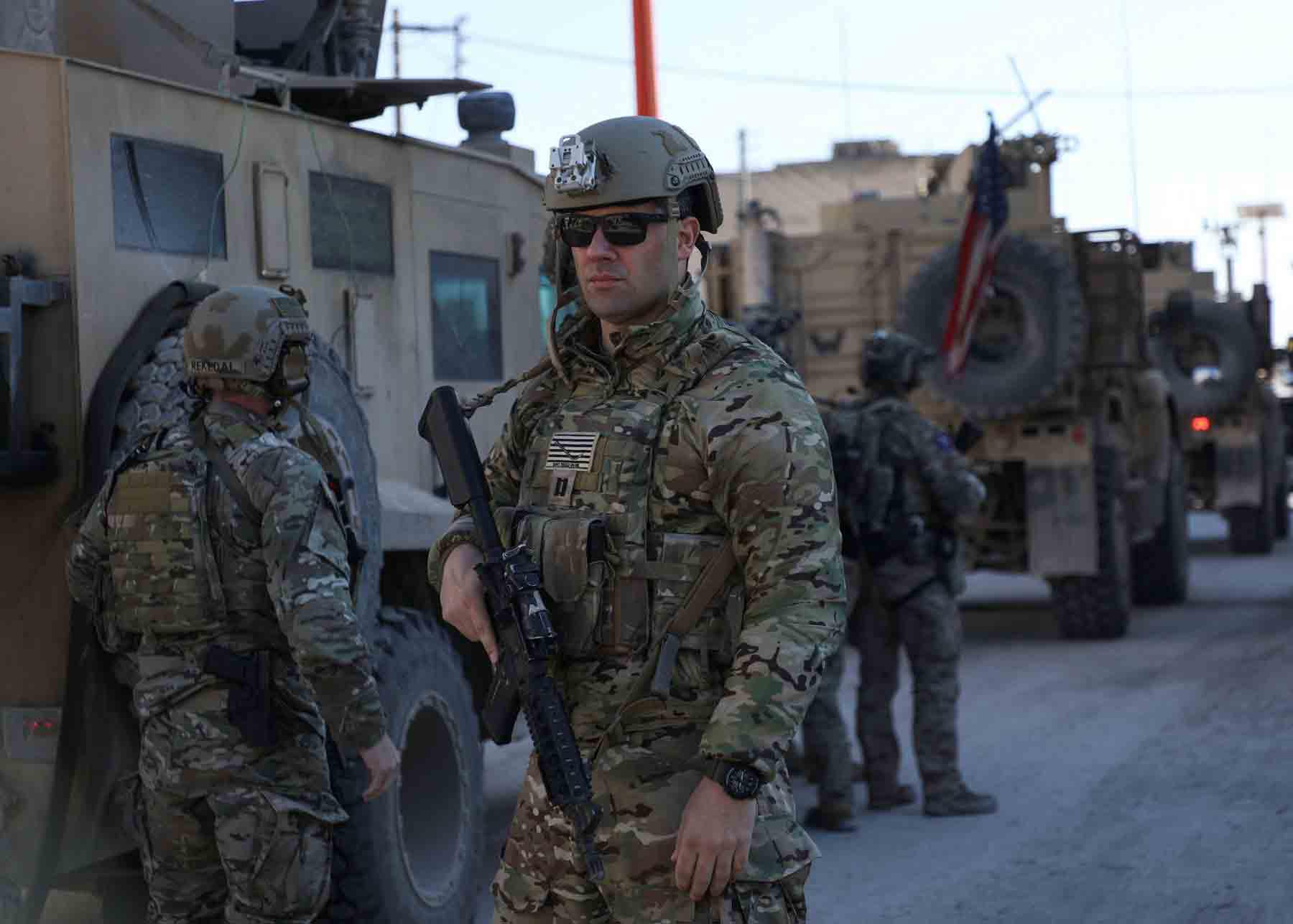
WASHINGTON – Some US troops are leaving Syria as part of a “deliberate and conditions-based transition,” a senior US official said on Wednesday.
The Wall Street Journal reported the US was withdrawing all of its roughly 1,000 troops from Syria.
“US forces remain poised to respond to any ISIS threats that arise in the region as we support partner-led efforts to prevent the terrorist network’s resurgence,” the senior administration official, who spoke on the condition of anonymity, said.
“However US presence at scale is no longer required in Syria given the Syrian government’s willingness to take primary responsibility for combating the terrorist threat within its borders,” the official added.
Last week, the US military said it completed a withdrawal from a strategic base in Syria, handing it over to Syrian forces, in the latest sign of strengthening US-Syrian ties that could enable an even larger American drawdown.
Overall violence across Syria has declined steadily since 2025, according to analysts and conflict monitoring data.
The shift reflects a broader transition from fragmented armed confrontation towards greater centralised control and institutional security management.
To further stabilise the country, the transitional government has sought to address key internal drivers of unrest. Sectarian violence in some regions last year raised concerns about the authorities’ ability to protect minority communities and maintain order.
In response, officials reduced reliance on irregular armed groups and expanded the role of the interior ministry, launching local recruitment drives aimed at building security forces drawn from the communities they serve. The approach has helped restore some trust and enabled authorities to contain tensions before they escalated into wider violence.
One of the most serious threats to stability in 2025 was a wave of retaliatory killings linked to grievances dating back to earlier phases of the war. Victims often included individuals associated with the former government, whether through official roles, family ties or religious affiliation.
Recent months, however, have seen a marked decline in such attacks, following stricter security measures and arrests of suspected perpetrators. Analysts say curbing revenge violence is critical to preventing a return to cycles of fear and division that could undermine the transition.
At the same time, intensive de-mining operations and public awareness campaigns have reduced civilian casualties from landmines and unexploded ordnance, a deadly legacy of years of conflict. While the threat has not been eliminated, improved coordination and state capacity have contributed to a measurable decline in injuries and deaths.
The Islamic State has also seen a significant reduction in activity compared with the previous year, with fewer attacks and casualties reported.
The group had previously exploited political fragmentation and ungoverned spaces to recruit fighters and justify its continued presence. The integration of Kurdish forces and expanded security coordination have reduced those opportunities, creating a more hostile environment for its operations.
Although Islamic State retains the ability to carry out sporadic attacks, analysts say it faces growing constraints as the government strengthens its security apparatus and expands cooperation with the international coalition.