


Under increasing pressure
US slaps visa sanctions on 18 Iranian officials over protest crackdown
Washington maintains its pressure campaign on Tehran and keeps the option of military force on the table should nuclear negotiations fail.
Thursday 19/02/2026
Under increasing pressure
WASHINGTON – The United States imposed visa sanctions on 18 Iranian officials, accusing them of playing a role in the violent suppression of nationwide protests and restricting access to the internet, as Washington maintains its pressure campaign on Tehran and keeps the option of military force on the table should nuclear negotiations fail.
The measures were announced in a statement by the US State Department’s spokesperson Tommy Pigott who said the officials were designated for their alleged involvement in repressing popular demonstrations and curbing online access during the unrest.
Pigott reaffirmed that the US administration would continue to support freedom of expression for the Iranian people, stressing that the rights to peaceful assembly and protest “must not be infringed.” With the latest additions, the total number of Iranian officials placed under this sanctions regime has risen to 58.
US sanctions against Iran are not new. Last month, Washington targeted five senior officials accused of responsibility for suppressing demonstrations and oversaw financial transactions linked to the crackdown. The latest measures include visa restrictions intended to prevent those involved from entering the United States or using its visa system for travel.
Washington says the sanctions are designed to strengthen international accountability mechanisms and curb ongoing human rights violations, particularly in light of the most recent wave of protests, which drew widespread public participation.
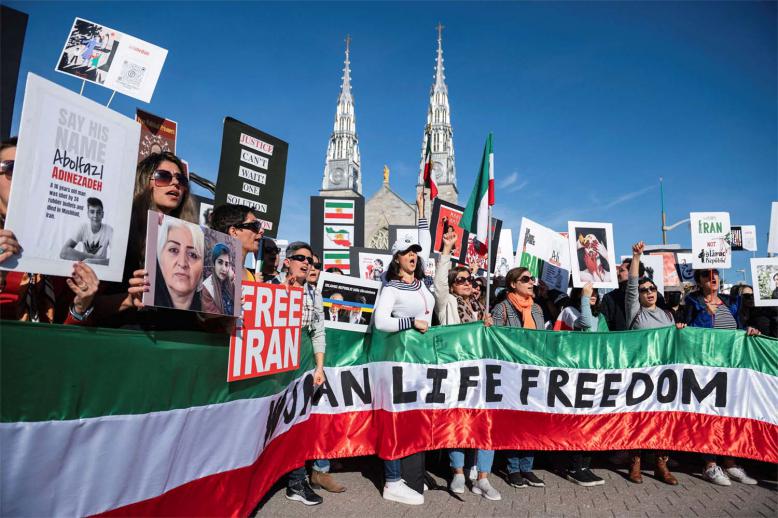
The unrest erupted in late December 2025 and lasted nearly two weeks, initially sparked by the sharp depreciation of Iran’s currency and a deepening economic crisis. Demonstrations began in the capital, Tehran, before spreading to several other cities.
President Masoud Pezeshkian acknowledged the depth of public discontent and pledged to improve economic conditions.
According to the Human Rights Activists News Agency (HRANA), based in the United States, 52,941 people were arrested across the country during the protests. The group reported that 7,002 people were killed, including 214 members of the security forces, in figures published last week.
In an apparent effort to ease tensions, Iranian judiciary spokesman Asghar Jahangir announced on Tuesday the release of hundreds of protesters who had not taken part in acts of violence. He said stricter measures would, however, be applied to those accused of leading or inciting unrest.
The move followed calls from Pezeshkian to handle demonstrations in a way that prevents them from escalating into a broader crisis. Speaking at a police academy graduation ceremony in Tehran, he urged restraint in dealing with protesters while ensuring the safety of security personnel. He also emphasised the need to equip security forces with modern tools and technologies to manage protests without endangering themselves or civilians.
The sanctions announcement comes amid heightened tensions between Washington and Tehran over Iran’s nuclear programme. While the White House has indicated that some limited progress has been made in recent indirect talks, officials acknowledge that significant differences remain. The Biden administration, and now President Donald Trump’s renewed policy approach, continues to insist that diplomacy is the preferred path, even as the United States bolsters its military presence in the region.