

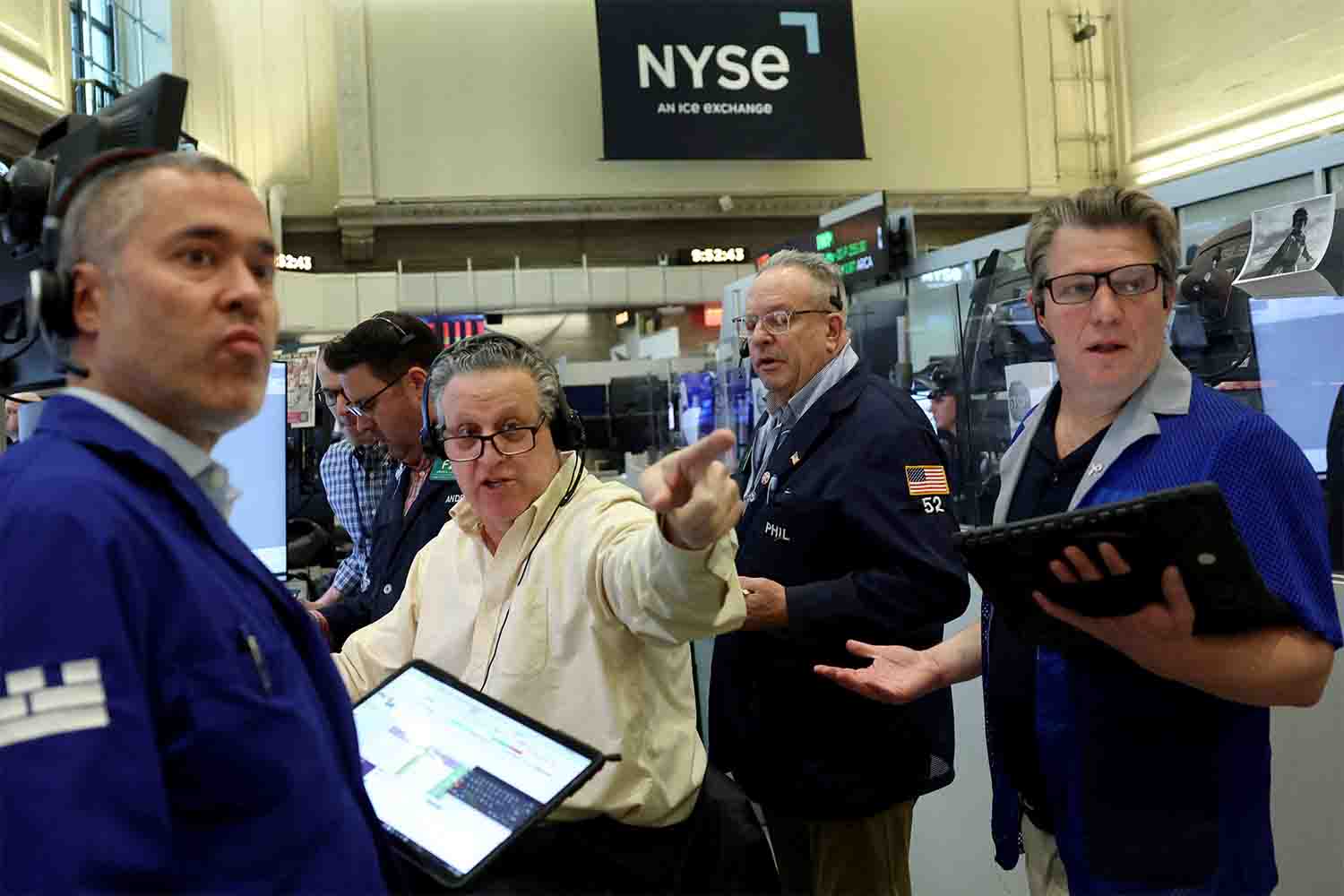
For investors, the key concern is what a fifth day of conflict could mean for inflation
Wall Street futures edge lower on Middle East conflict, oil-driven inflation concerns
Investors continues to seek safe-haven assets, with gold up 1%, the dollar hovering near a three-month high, and the US 10-year note advancing for a third consecutive session.
Wednesday 04/03/2026
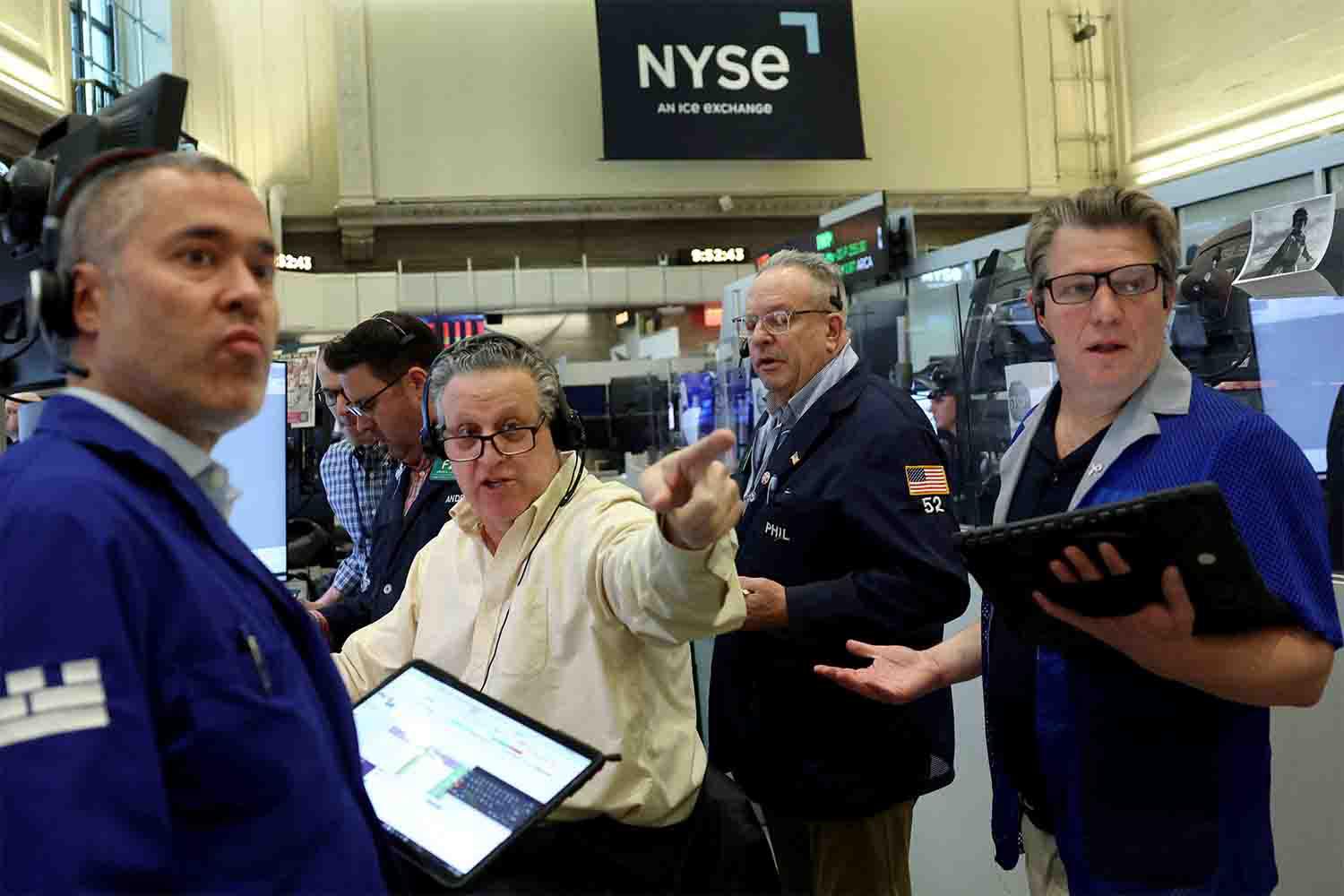
For investors, the key concern is what a fifth day of conflict could mean for inflation
NEW YORK - US stock index futures edged lower on Wednesday as investors assessed an escalating Middle East conflict and awaited a fresh slate of economic data for cues on the interest rate outlook, while surging oil prices added to inflation pressures.
Brent crude climbed nearly 2%, although prices retreated from earlier peaks after US President Donald Trump ordered an insurance guarantee for Gulf shipping and said the US Navy could escort oil tankers through the Strait of Hormuz.
The Strait of Hormuz, a narrow, strategically vital waterway between the Persian Gulf and the Gulf of Oman, is one of the world's key oil transit chokepoints, carrying roughly a fifth of global oil and liquefied natural gas flows.
Investors continued to seek safe-haven assets, with gold up 1%, the dollar hovering near a three-month high, and the US 10-year note advancing for a third consecutive session.
Tensions on the ground remained front and center. US and Israeli forces have pounded Iran since Saturday, while Iranian drones and missiles have struck Gulf oil refineries and targeted US embassies in Saudi Arabia and Kuwait.
For investors, the key concern is what a fifth day of conflict could mean for inflation. Oil prices have already jumped more than 13% this week, threatening to further complicate the US Federal Reserve's outlook as elevated inflation readings accumulate and policymakers strike a hawkish stance.
That backdrop has only strengthened expectations that the US central bank will keep short-term borrowing costs unchanged for now.
At 02:26 a.m. ET, Dow E-minis were down 144 points, or 0.3%, with 17,957 contracts changing hands. Nasdaq 100 E-minis were down 156.75 points, or 0.63%.
The Fed's Beige Book, a district-by-district snapshot of economic conditions, is due later in the day, alongside ADP employment figures and the final reading of S&P's composite PMI.
The S&P 500 slid 0.9% on Tuesday to break below its 100-day moving average for the first time since November 20. The Dow lost 0.8% and the Nasdaq dropped 1%.