


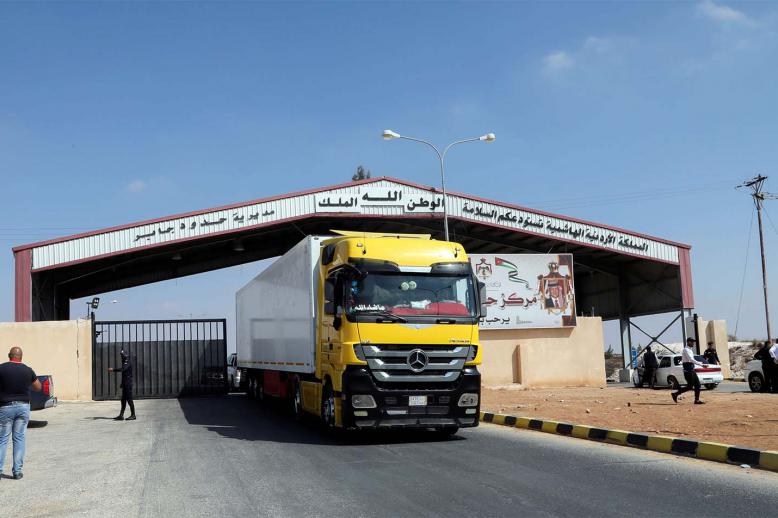
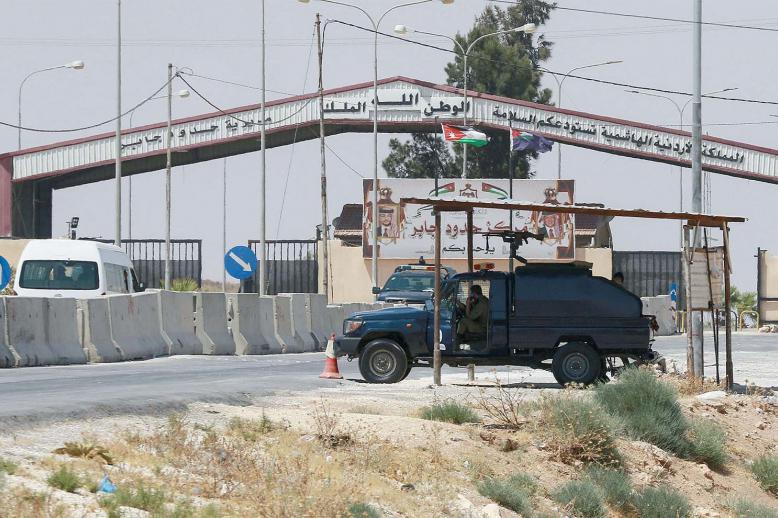
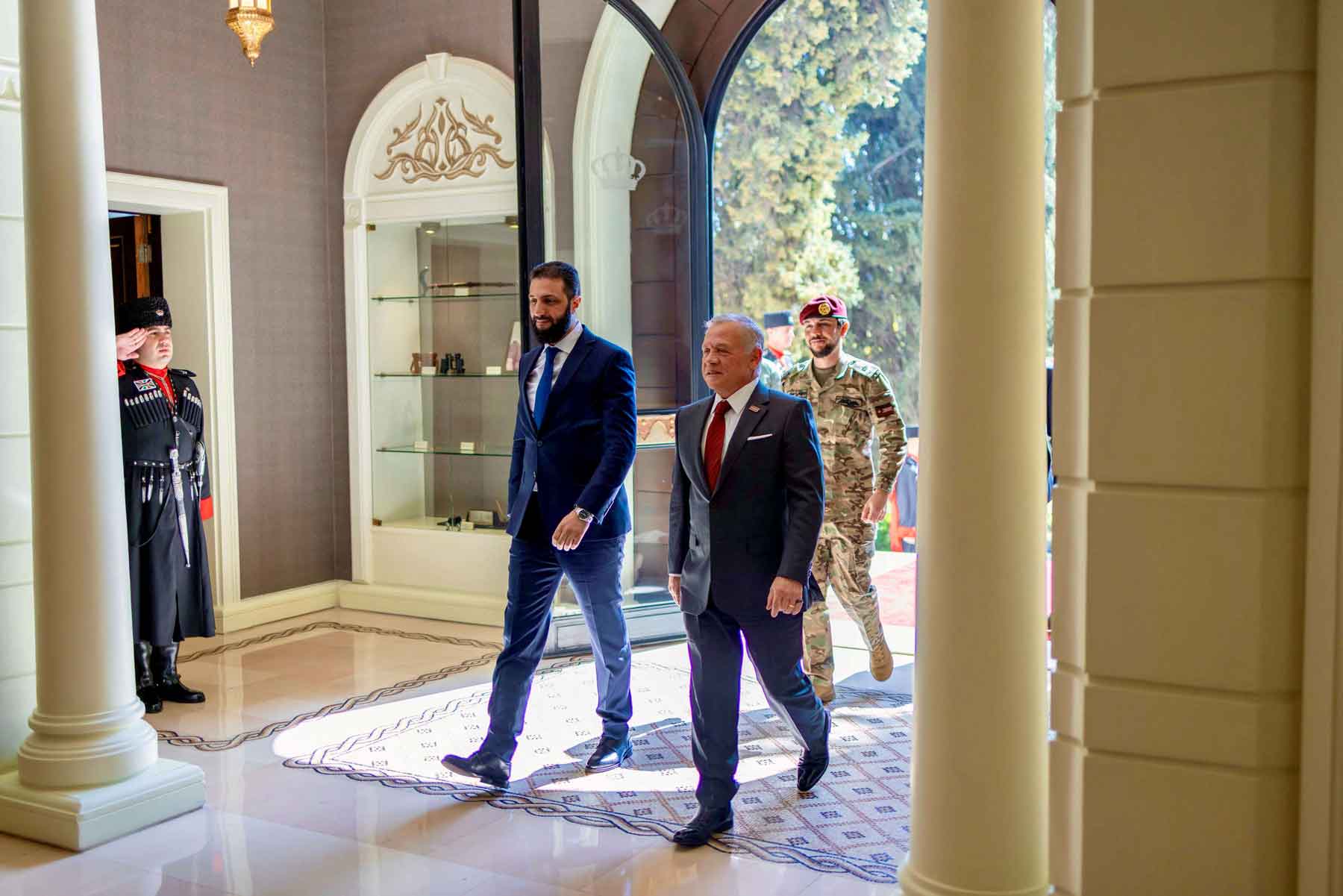
New model for regional cooperation
Water redefines Syria–Jordan ties as scarcity drives cooperation
Jordan remains one of the most water-scarce countries in the world, while Syria faces mounting pressure to rehabilitate its water infrastructure after years of conflict.
Tuesday 14/04/2026
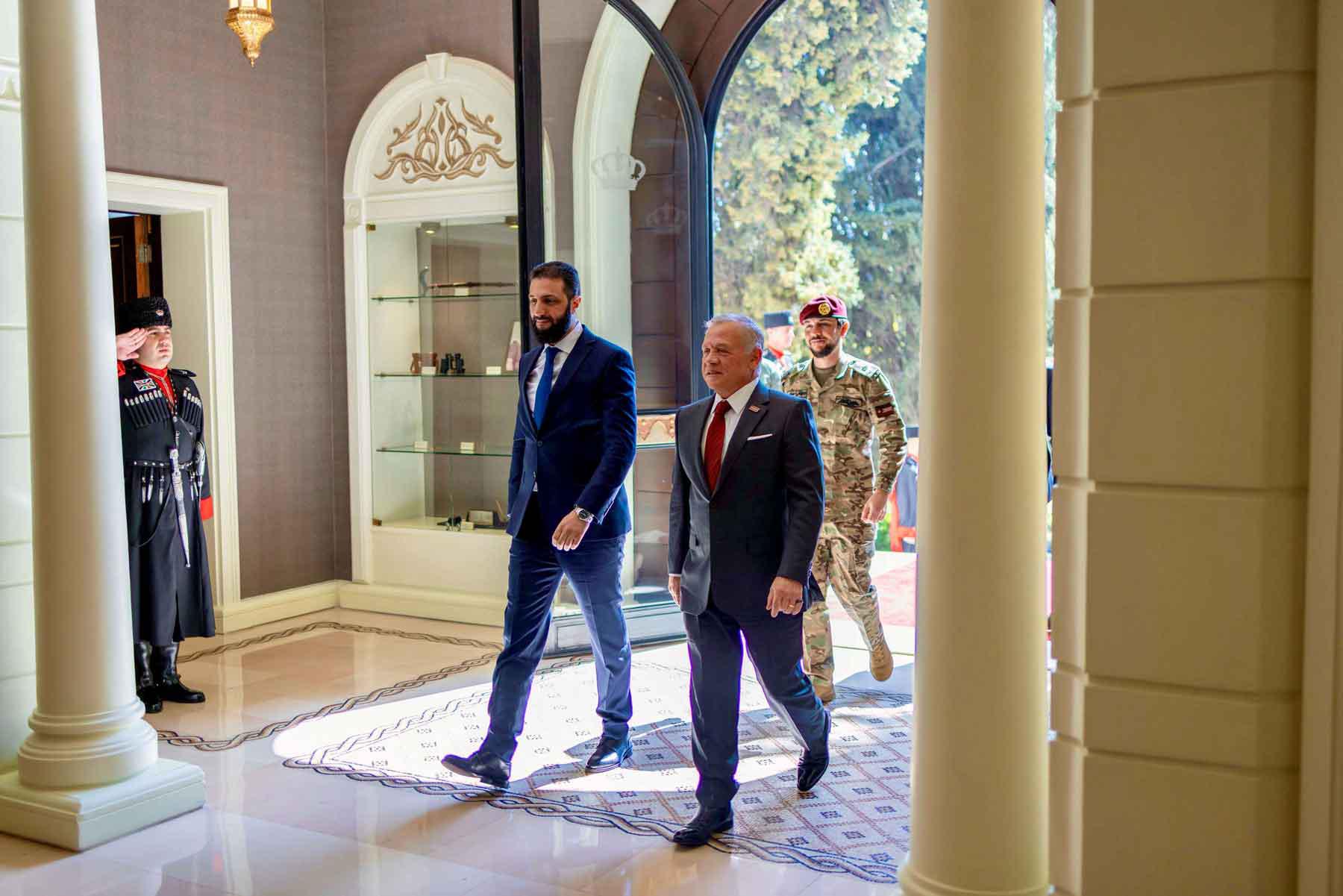
New model for regional cooperation
DAMASCUS/AMMAN – Syria’s declaration that it is prepared to share water resources with Jordan marks more than a technical adjustment in bilateral relations; it signals a strategic recalibration in a region where water scarcity is increasingly reshaping diplomacy, security and economic planning.
The message, delivered through Syrian officials, comes alongside tangible progress in bilateral coordination, including the reactivation of joint water committees, agreements to regulate illegal well drilling and efforts to improve data-sharing and resource management in the Yarmouk River basin. Together, these steps point to a transition from ad hoc arrangements towards a more institutionalised and cooperative framework.
The Yarmouk basin itself encapsulates the stakes. For decades, it has reflected political tensions between the two countries, with disputes over water flows, dam construction and groundwater depletion eroding trust. Jordan has long complained that its agreed share of water was not consistently delivered, while unregulated extraction on both sides compounded the problem.
Recent coordination suggests a departure from this pattern. Syrian measures to curb illegal wells, combined with joint monitoring and discussions on sustaining water flows to key infrastructure such as the Al-Wehda Dam, indicate a willingness to address long-standing grievances. The inclusion of modern tools, from digital data platforms to potential cloud seeding projects, underscores a shift towards more sophisticated and cooperative water management.
This shift is driven as much by necessity as by diplomacy. Jordan remains one of the most water-scarce countries in the world, while Syria faces mounting pressure to rehabilitate its water infrastructure after years of conflict. Climate change, erratic rainfall and rising demand have intensified the urgency on both sides, making unilateral approaches increasingly untenable.
The emerging model of “water diplomacy” reflects this reality. Rather than treating water as a zero-sum asset, both countries appear to be moving towards a framework that links resource management with broader economic and political cooperation. Agreements extending beyond water to energy and agriculture reinforce this trend, suggesting that shared challenges are being used to build interdependence.
There is also a geopolitical dimension. Enhanced cooperation between Damascus and Amman aligns with wider regional shifts, where states are recalibrating relationships amid changing alliances and external pressures. In this context, water becomes both a practical necessity and a diplomatic tool, enabling engagement on less contentious, technically grounded issues that can gradually rebuild trust.
Yet the path forward remains uncertain. Implementation will be critical, particularly given the institutional weaknesses and political fragmentation that have historically undermined agreements in the region. Ensuring transparency, enforcing regulations and maintaining consistent coordination will be essential to prevent a relapse into mistrust.
External factors also loom large. Regional instability could disrupt long-term projects, while climate variability adds an additional layer of unpredictability to already strained resources. Moreover, balancing immediate national needs with commitments to shared management will require sustained political will on both sides.
Despite these challenges, the trajectory of Syrian-Jordanian cooperation offers a glimpse of how resource scarcity might reshape regional dynamics. If successful, it could provide a model for other water-stressed regions, demonstrating that even deeply contested resources can become a basis for collaboration.
In that sense, what is unfolding between Damascus and Amman is not merely a bilateral adjustment, but part of a broader transformation in how states approach security and cooperation. Water, once a source of tension, is being repositioned as a platform for dialogue, a shift that, if it endures, could carry implications far beyond the Yarmouk basin.