

Late justice but historic one
When football becomes a state project: Lessons from the Moroccan model between delayed justice and the rise of soft power
The CAF decision, despite the fairness it brought, raises a question that is both philosophical and political: Is delayed justice enough? The decision returned the right to its owners, but it did not entirely erase the sting of the moment.
Wednesday 18/03/2026
Late justice but historic one
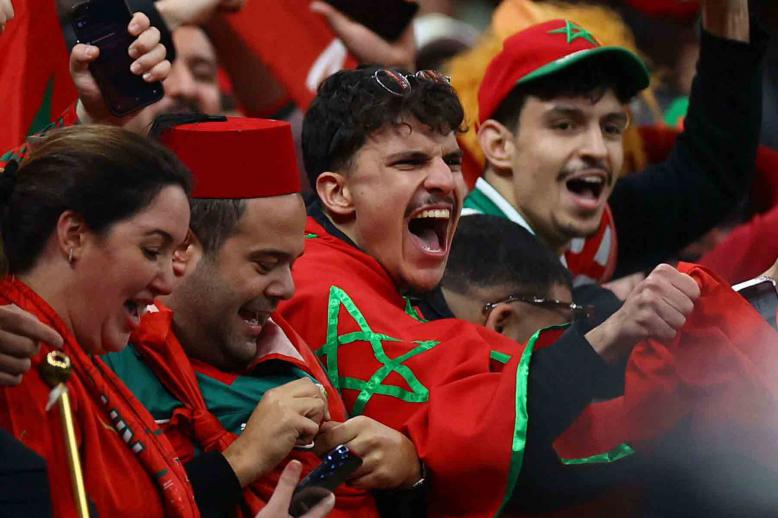
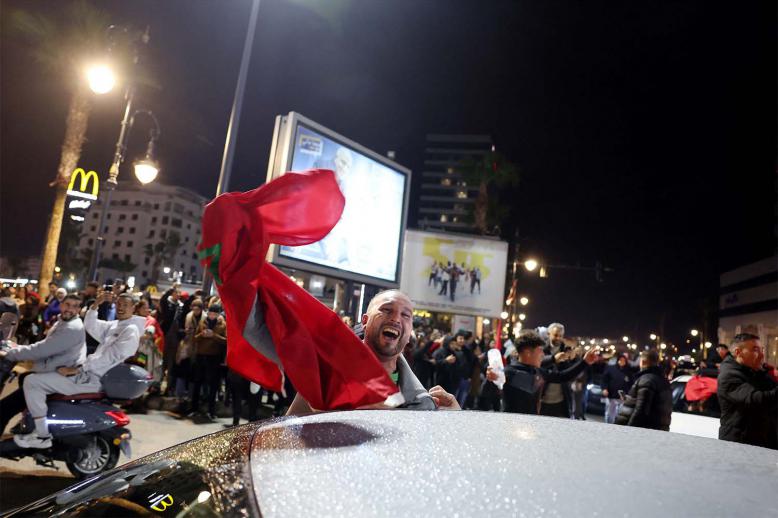
The decision by the Confederation of African Football (CAF) Appeals Committee, issued on March 17, to declare the Senegalese national team losers by forfeit in the final of the 2025 Africa Cup of Nations (Morocco 2025) and award the title to the Moroccan national team, was not merely a passing sporting event. Rather, at its core, it revealed a broader structural transformation within the African continent, where football is no longer just a game, but has become a soft political tool and a space for reshaping the symbolic balance of power between nations. At the heart of this transformation, the Moroccan model emerges as a case study worthy of analysis—not just for the result, but for its underlying meaning.
What occurred was not just a correction of a match result, but a restoration of an entire system of values: discipline, legitimacy, and respect for institutions. These are the same values that Morocco, both politically and through sports, has worked to consolidate in recent years under the comprehensive vision led by King Mohammed VI. Here, the state and sports intersect in a single project aimed at building a modern image of a nation rooted in its identity yet modern in its practices.
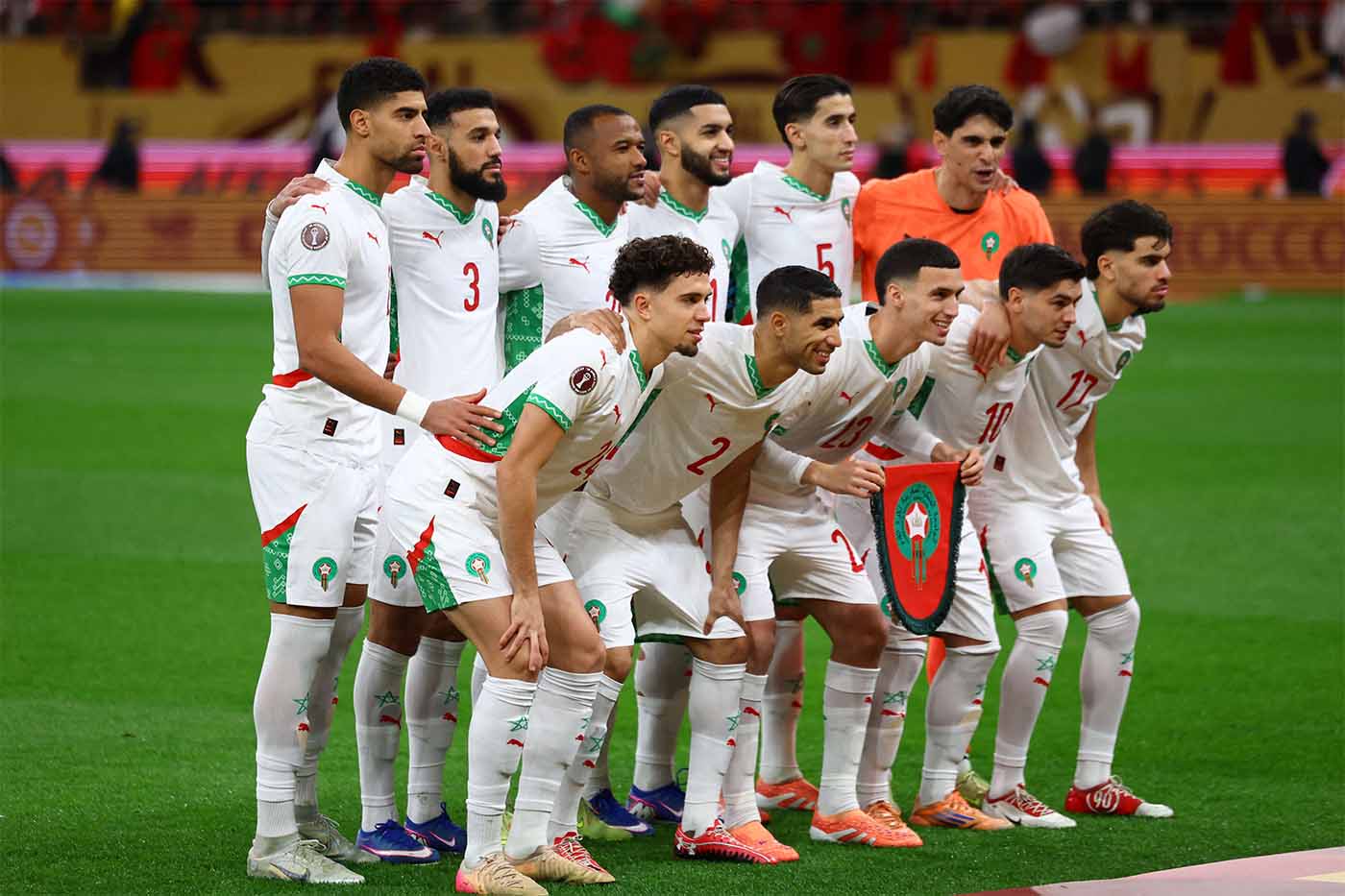
In this context, the Moroccan national team becomes more than just a squad. It is an expression of a new sociology, composed mostly of a generation of players raised in the diaspora within disciplined European environments, yet who maintained a hidden thread connecting them to the homeland. These players, coming from humble families, were not only products of advanced football academies but also of a dual upbringing: authenticity in belonging and modernity in performance. This gave them a unique ability to reconcile national sentiment with professional discipline—balancing emotion and reason.
At the center of this balance is the role of coach Walid Regragui, appearing not only as a technical director but as a cultural and psychological mediator between two worlds. Drawing on his own experience with the diaspora, he built a relationship based on trust and intimacy with his players, moving beyond traditional leadership models toward one closer to an "elder brother" who understands before directing and embraces before holding accountable. This apparent simplicity, which masks deep administrative depth, was one of the keys to Moroccan success.
However, this success cannot be separated from the infrastructure that fostered it. Morocco did not bet only on results, but on the conditions that create results. From modern stadiums to world-class training centers, and from professional event organization to a strategic vision for hosting major championships, the features of a sporting renaissance led by Fouzi Lekjaa have taken shape. This is part of a clear state policy where sports transform into a diplomatic lever and a civilized image of the nation.
Yet the moment of the final, with all the tension it carried, revealed another dimension of the Moroccan experience: the capacity for self-restraint. In the face of negative behaviors that strayed from the spirit of the game, Morocco—both officially and popularly—chose the path of reason, avoiding a slide into reactions that might harm the country's image or its African relations. It was a true test of political and sporting maturity that Morocco passed, even if the price at the time was bitter.
Perhaps most significant was the stance of the senior players, who accepted the apparent loss with a sense of responsibility, preferring to maintain the stability of the overall scene over a moment of fleeting euphoria. This was not weakness, but an expression of awareness that football, in its African context, is inseparable from politics, and that any uncalculated emotional outburst could turn into a rift deeper than a mere match.
In contrast to this tension, another face of Morocco emerged: hospitality. The festive atmosphere, meticulous organization, and human warmth that characterized the tournament were not marginal details, but part of a complete narrative that has made Morocco a global brand in hosting sporting events where professionalism blends with spirit.
However, the CAF decision, despite the fairness it brought, raises a question that is both philosophical and political: Is delayed justice enough?
The decision returned the right to its owners, but it did not entirely erase the sting of the moment. Justice should ideally have been achieved at the time, within the span of the match, not in appeals offices. Immediate justice does not only provide fairness; it also deters and establishes a culture of respecting laws both on and off the pitch.
The coronation has arrived, but it arrived differently—less noisy and more reflective. Had it been achieved in its moment, it could have been pure joy, untainted by that hidden feeling that something was snatched away and then returned. It could have been a complete celebration lived by players, fans, and the Moroccan football institution in one single moment, rather than in two stages.
Nevertheless, what happened confirms a deeper truth: that justice, even if delayed, when coupled with political savvy and self-control, is capable of turning pain into meaning and a bitter sting into a narrative of victory. From the heart of an ambiguous moment, Morocco crafted a new footballing joy—not just because it reclaimed a title, but because it provided a lesson in how a state, when managing sports with rationality, can triumph twice: once on the field, and once in history.